Close Modal

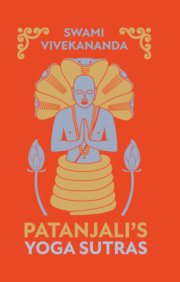
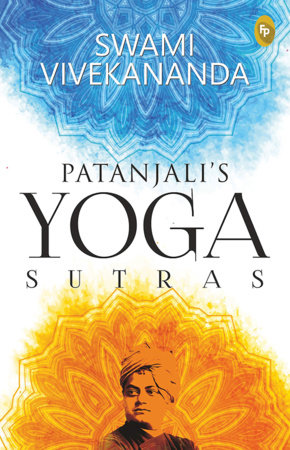
Patanjali’s Yoga Sutras

Patanjali’s Yoga Sutras is one of the most important and foundational texts on yoga philosophy, outlining a clear path toward mental clarity, ethical living, and spiritual awakening. Comprising 196 succinct aphorisms, this ancient guide explores the eightfold path (Ashtanga Yoga) and offers insight into the nature of the mind, the importance of self-discipline, and the pursuit of liberation. Both practical and profound, this classic is an indispensable manual for seekers of inner peace, self-mastery, and higher consciousness.

Still the mind. Awaken the soul. Live the truth.

  • Explore the roots of classical yoga beyond physical postures.
  • Delve into Patanjali’s wisdom on concentration, mindfulness, and detachment.
  • Reflect on the eight limbs of yoga as a path to inner freedom.
  • Discover a transformative text that bridges ancient insight with modern relevance.

Perfect For:

  • Practitioners of yoga and meditation
  • Seekers of self-discipline and spiritual clarity
  • Students of Indian philosophy and Vedic literature
  • Readers looking for timeless tools for inner growth

Themes Covered:

  • The nature and modifications of the mind (Chitta Vritti)
  • The eight limbs of yoga (Yama, Niyama, Asana, Pranayama, Pratyahara, Dharana, Dhyana, Samadhi)
  • Detachment, discipline, and self-purification
  • The path to enlightenment and cessation of suffering
  • Integration of body, mind, and spirit for holistic well-being
Born Narendranath Datta (1863-1902) in Calcutta, capital of British India, Swami Vivekananda belonged to a traditional aristocratic Bengali Kayastha family. Spiritual from an early age, Vivekananda was fascinated by wandering monks and used to practise meditation. He met Ramakrishna in around 1882. It came about as a life-changing experience for him and he eventually became his notable disciple. After Ramakrishna’s death, Vivekananda, along with other disciples, set up the Ramakrishna Math at Baranagar. In December 1886, they all took monastic vows. It was then that he took the name ‘Swami Vivekananda’. He played a major role in introducing yoga and the Vedanta philosophies to the West. It is because of him that Hinduism gained the status of a major world religion. His birthday is observed as the National Youth Day in India and the day he delivered his famous speech at the Parliament of World Religions, September 11, is commemorated as the World Brotherhood Day.

About

Patanjali’s Yoga Sutras is one of the most important and foundational texts on yoga philosophy, outlining a clear path toward mental clarity, ethical living, and spiritual awakening. Comprising 196 succinct aphorisms, this ancient guide explores the eightfold path (Ashtanga Yoga) and offers insight into the nature of the mind, the importance of self-discipline, and the pursuit of liberation. Both practical and profound, this classic is an indispensable manual for seekers of inner peace, self-mastery, and higher consciousness.

Still the mind. Awaken the soul. Live the truth.

  • Explore the roots of classical yoga beyond physical postures.
  • Delve into Patanjali’s wisdom on concentration, mindfulness, and detachment.
  • Reflect on the eight limbs of yoga as a path to inner freedom.
  • Discover a transformative text that bridges ancient insight with modern relevance.

Perfect For:

  • Practitioners of yoga and meditation
  • Seekers of self-discipline and spiritual clarity
  • Students of Indian philosophy and Vedic literature
  • Readers looking for timeless tools for inner growth

Themes Covered:

  • The nature and modifications of the mind (Chitta Vritti)
  • The eight limbs of yoga (Yama, Niyama, Asana, Pranayama, Pratyahara, Dharana, Dhyana, Samadhi)
  • Detachment, discipline, and self-purification
  • The path to enlightenment and cessation of suffering
  • Integration of body, mind, and spirit for holistic well-being

Author

Born Narendranath Datta (1863-1902) in Calcutta, capital of British India, Swami Vivekananda belonged to a traditional aristocratic Bengali Kayastha family. Spiritual from an early age, Vivekananda was fascinated by wandering monks and used to practise meditation. He met Ramakrishna in around 1882. It came about as a life-changing experience for him and he eventually became his notable disciple. After Ramakrishna’s death, Vivekananda, along with other disciples, set up the Ramakrishna Math at Baranagar. In December 1886, they all took monastic vows. It was then that he took the name ‘Swami Vivekananda’. He played a major role in introducing yoga and the Vedanta philosophies to the West. It is because of him that Hinduism gained the status of a major world religion. His birthday is observed as the National Youth Day in India and the day he delivered his famous speech at the Parliament of World Religions, September 11, is commemorated as the World Brotherhood Day.