Close Modal

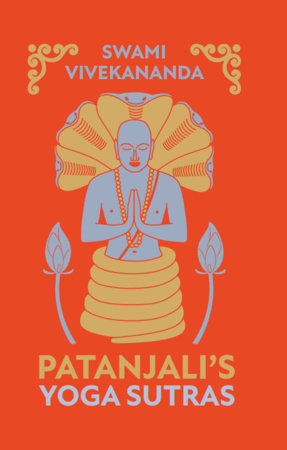
Patanjali's Yoga Sutras (Deluxe Hardbound Edition)

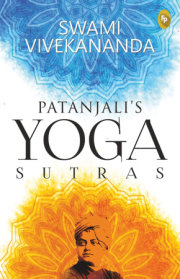
The Yoga Sutras of Patanjali distills the essence of yogic thought into 196 powerful aphorisms that explore consciousness, discipline, and self-realization. These ancient teachings form the philosophical foundation of classical yoga, presenting a step-by-step path (Ashtanga Yoga) that leads from ethical living and mental clarity to inner peace and spiritual liberation.

Clear, concise, and deeply profound, the sutras continue to guide modern seekers on the timeless journey inward. Patanjali’s insights on mind control, detachment, and self-awareness remain as relevant today as they were over two millennia ago.

Timeless wisdom for the journey within.
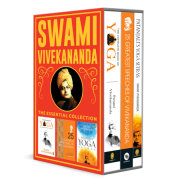
  • Explore the foundational text of classical yoga philosophy.
  • Delve into 196 sutras that guide the path to self-realization.
  • Discover practical wisdom on mind control, detachment, and inner peace.
  • Reflect on timeless teachings that remain relevant in the modern world.
  • Ideal for yoga practitioners, spiritual seekers, and mindfulness enthusiasts.
  • Offers insights into Ashtanga Yoga—the eightfold path to liberation.
  • A valuable companion for meditation, study, and inner growth.
Themes:
  • Self-Discipline and Mental Clarity
  • Mindfulness and Meditation
  • Spiritual Awakening
  • Yogic Ethics and Lifestyle
  • Detachment and Inner Peace
  • Consciousness and Liberation
  • Inner Strength and Self-Mastery
Born Narendranath Datta (1863-1902) in Calcutta, capital of British India, Swami Vivekananda belonged to a traditional aristocratic Bengali Kayastha family. Spiritual from an early age, Vivekananda was fascinated by wandering monks and used to practise meditation. He met Ramakrishna in around 1882. It came about as a life-changing experience for him and he eventually became his notable disciple. After Ramakrishna’s death, Vivekananda, along with other disciples, set up the Ramakrishna Math at Baranagar. In December 1886, they all took monastic vows. It was then that he took the name ‘Swami Vivekananda’. He played a major role in introducing yoga and the Vedanta philosophies to the West. It is because of him that Hinduism gained the status of a major world religion. His birthday is observed as the National Youth Day in India and the day he delivered his famous speech at the Parliament of World Religions, September 11, is commemorated as the World Brotherhood Day.

About

The Yoga Sutras of Patanjali distills the essence of yogic thought into 196 powerful aphorisms that explore consciousness, discipline, and self-realization. These ancient teachings form the philosophical foundation of classical yoga, presenting a step-by-step path (Ashtanga Yoga) that leads from ethical living and mental clarity to inner peace and spiritual liberation.

Clear, concise, and deeply profound, the sutras continue to guide modern seekers on the timeless journey inward. Patanjali’s insights on mind control, detachment, and self-awareness remain as relevant today as they were over two millennia ago.

Timeless wisdom for the journey within.
  • Explore the foundational text of classical yoga philosophy.
  • Delve into 196 sutras that guide the path to self-realization.
  • Discover practical wisdom on mind control, detachment, and inner peace.
  • Reflect on timeless teachings that remain relevant in the modern world.
  • Ideal for yoga practitioners, spiritual seekers, and mindfulness enthusiasts.
  • Offers insights into Ashtanga Yoga—the eightfold path to liberation.
  • A valuable companion for meditation, study, and inner growth.
Themes:
  • Self-Discipline and Mental Clarity
  • Mindfulness and Meditation
  • Spiritual Awakening
  • Yogic Ethics and Lifestyle
  • Detachment and Inner Peace
  • Consciousness and Liberation
  • Inner Strength and Self-Mastery

Author

Born Narendranath Datta (1863-1902) in Calcutta, capital of British India, Swami Vivekananda belonged to a traditional aristocratic Bengali Kayastha family. Spiritual from an early age, Vivekananda was fascinated by wandering monks and used to practise meditation. He met Ramakrishna in around 1882. It came about as a life-changing experience for him and he eventually became his notable disciple. After Ramakrishna’s death, Vivekananda, along with other disciples, set up the Ramakrishna Math at Baranagar. In December 1886, they all took monastic vows. It was then that he took the name ‘Swami Vivekananda’. He played a major role in introducing yoga and the Vedanta philosophies to the West. It is because of him that Hinduism gained the status of a major world religion. His birthday is observed as the National Youth Day in India and the day he delivered his famous speech at the Parliament of World Religions, September 11, is commemorated as the World Brotherhood Day.