IntroductionWelcome to
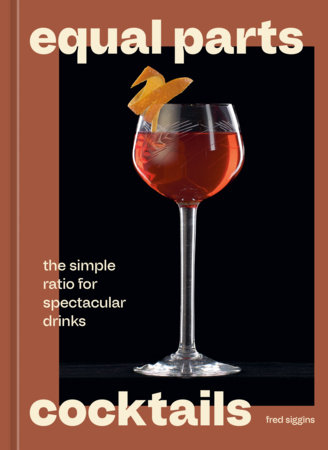
Equal Parts Cocktails—the easiest introduction drinks recipe book you’ll ever read! Within these pages, you’ll find cocktail recipes with simple formulas in which all the ingredients have the same measurements. They’re easy to make and easy to remember, and you don’t need any prior knowledge of cocktails or bartending. None of the drinks in this book require homemade ingredients or hours of prep work; all you need are just a few simple tools and techniques, plus items you can find at your local liquor store or supermarket.
If the idea of making good cocktails at home sounds daunting, don’t worry, it’s a lot easier than it seems. Strip away all the fancy tools and techniques professional bartenders use, and all you’re doing is putting a couple of different liquids in a glass. With the recipes in this book, you won’t even need to remember measurements and ratios, because they’re all exactly equal!
I have a terrible memory for recipes. So, like many in my profession, especially when I was starting out, I found the concept of equal parts cocktails to be a blessing. No more remembering how many dashes of this or barspoons of that, no need to know if this drink has a 1:2:3 ratio of ingredients or a 1:3:5. With equal parts drinks, it’s simply a 1:1:1 ratio, and away you go.
Even after many years as a professional bartender, I still know only a few classic cocktails by heart. But when it comes to equal parts recipes, I’ve got a whole treasure trove. So with this experience in mind, have no doubt that I will soon have you making excellent cocktails with ease.
Despite their simplicity, these recipes also allow for plenty of experimentation and modification to fit your specific tastes. In each recipe, you’ll learn which ingredients offer sweetness, sourness, bitterness, and other key flavors. So, if you like things a bit sweeter or a bit more sour, you can easily adjust to your liking with a little more of this, a little less of that. And if you’re missing an ingredient, I’ll show you the best way to swap it for something with a similar flavor profile. I’ll cover how to present your drinks perfectly with easy garnishes, how to choose appropriate glassware, and even how to make cocktails in bulk ahead of time so you can serve a group of friends and still relax when it’s party time.
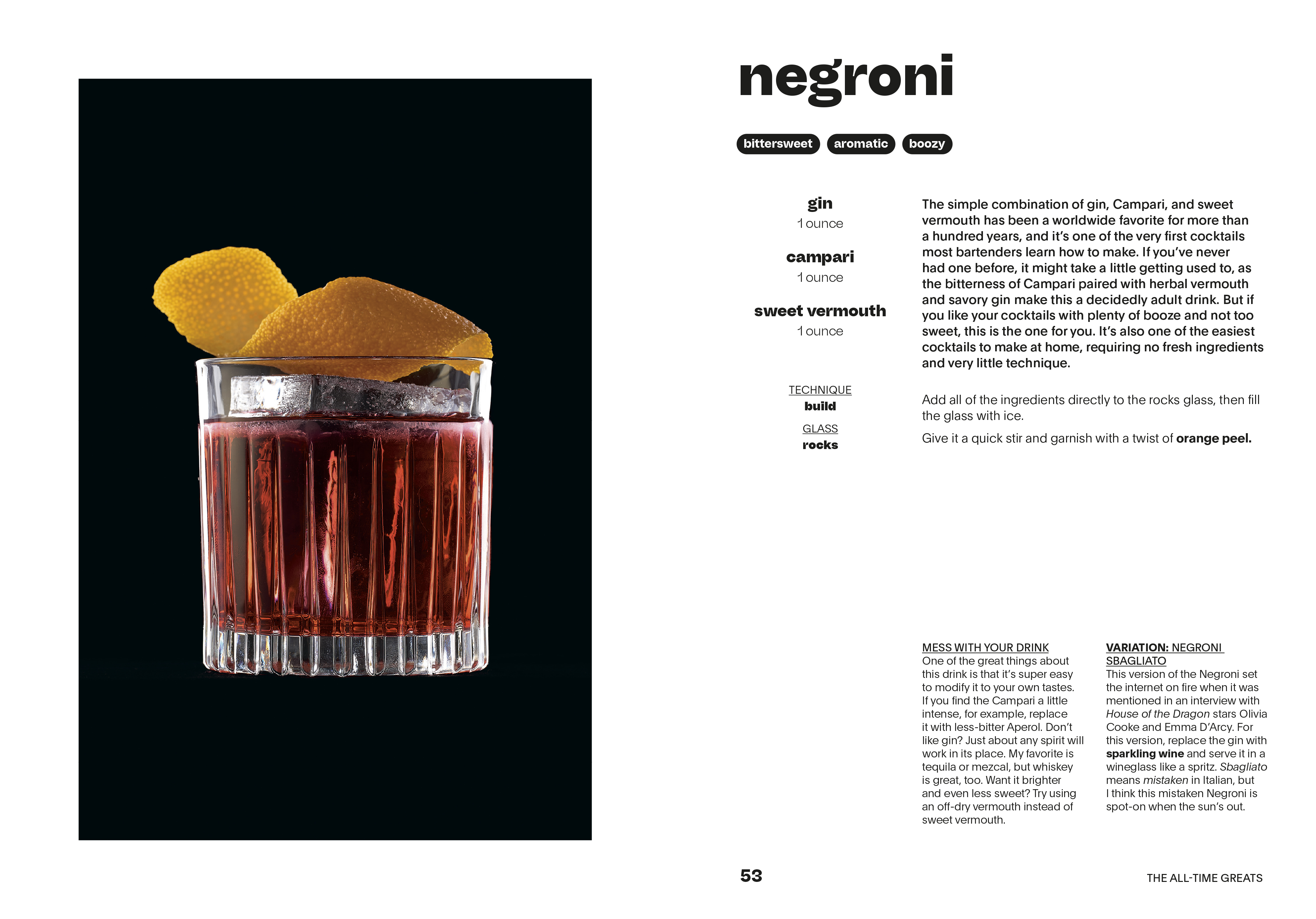
Each section will cover a different style of cocktail, starting out with the all-time classics that everyone has heard of, such as the Negroni (page 53), the Margarita (page 65), and the Martini (page 50), as well as many of their variations. From there, we’ll look at some lesser-known classics that all bartenders rely on, like the Corpse Reviver Number 2 (page 74) and the Last Word (page 78). Next, we’ll delve into some party favorites from the 1980s and ’90s, including the Cosmopolitan (page 95), the Japanese Slipper (page 99), and the Espresso Martini (page 96), which are still popular for very good reason, and—if made right—can be truly delicious.
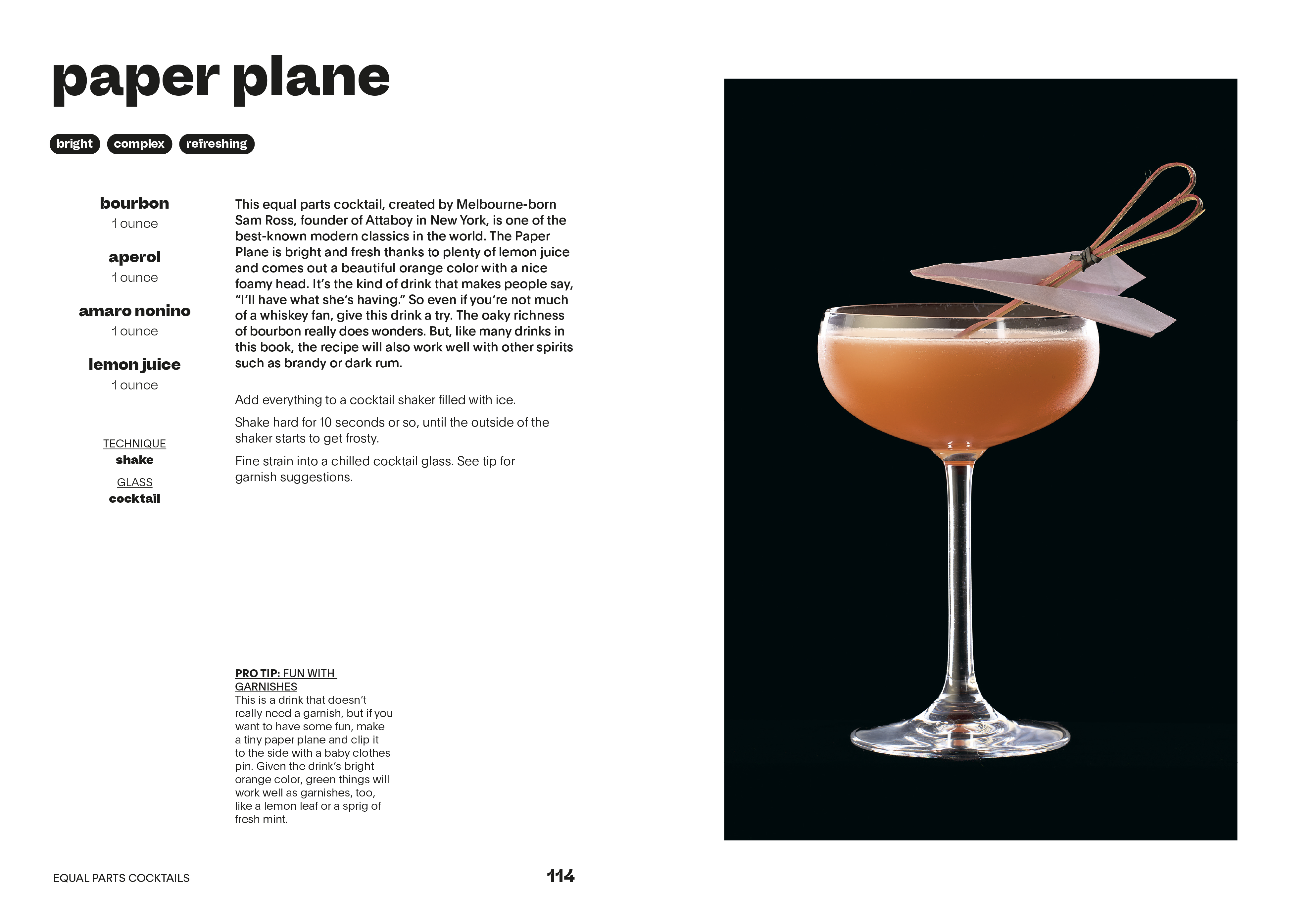
Once we’ve nailed the drinks everyone knows, we’ll get into modern classics like the Paper Plane (page 114) and the Jungle Bird (page 119), and we’ll explore the creativity of some of the world’s best bars and bartenders mixing up delicious drinks around the globe today. Throughout every section, there will be fun stories and anecdotes, because the true art of bartending isn’t wasting brain space with complicated recipes; it’s keeping yourself and your guests entertained with a simple, well-made drink and a good story to tell.
Copyright © 2026 by Fred Siggins. All rights reserved. No part of this excerpt may be reproduced or reprinted without permission in writing from the publisher.