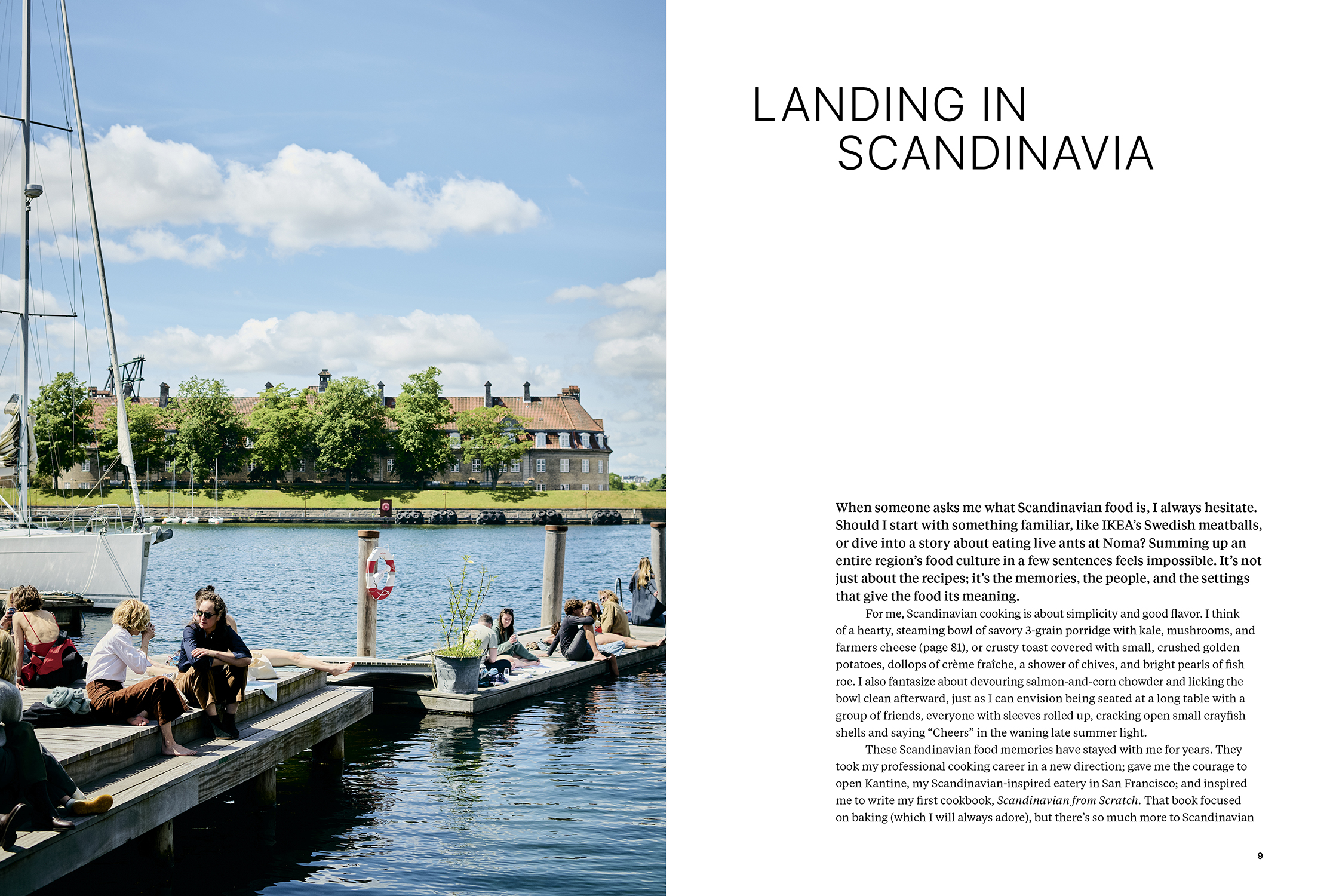
Landing in ScandinaviaWhen someone asks me what Scandinavian food is, I always hesitate. Should I start with something familiar, like IKEA’s Swedish meatballs, or dive into a story about eating live ants at Noma? Summing up an entire region’s food culture in a few sentences feels impossible. It’s not just about the recipes; it’s the memories, the people, and the settings that give the food its meaning.
For me, Scandinavian cooking is about simplicity and good flavor. I think of a hearty, steaming bowl of savory 3-grain porridge with kale, mushrooms, and farmers cheese (page 81), or crusty toast covered with small, crushed golden potatoes, dollops of crème fraîche, a shower of chives, and bright pearls of fish roe. I also fantasize about devouring salmon-and-corn chowder and licking the bowl clean afterward, just as I can envision being seated at a long table with a group of friends, everyone with sleeves rolled up, cracking open small crayfish shells and saying “Cheers” in the waning late summer light.
These Scandinavian food memories have stayed with me for years. They took my professional cooking career in a new direction; gave me the courage to open Kantine, my Scandinavian-inspired eatery in San Francisco; and inspired me to write my first cookbook, Scandinavian from Scratch. That book focused on baking (which I will always adore), but there’s so much more to Scandinavian cuisine than pastries and bread. There are also the daily meals—those that nourish us, fuel us, and remind us that even the simplest everyday food can be both doable and meaningful.
This book is written for people who want to cook (and eat) well and simply at home—for those of us who enjoy having a say in what ingredients go into our food and who appreciate meals made from whole, seasonal ingredients.
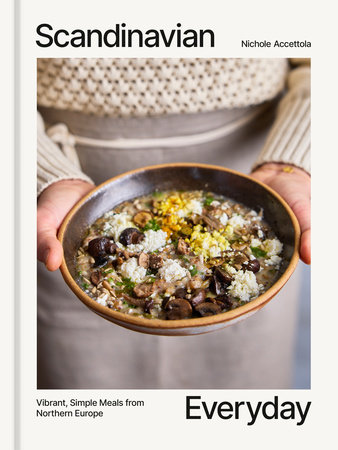
Scandinavian Every Day is a collection of my most beloved Scandinavian recipes, those I cooked countless times during my sixteen years living in Denmark and now prepare for my family at home and for my customers at Kantine.
•
I grew up in the rolling hills outside of Cleveland, Ohio, surrounded by green pastures and cornfields; it was the sort of place where the occasional cow-tipping adventure was not unheard of. In our home, the kitchen was the heart of it all. My mom spent most of her time there, and she made sure we ate at least one meal together as a family every day, usually dinner. (How thinking of that makes me miss her!)
After high school, I followed my heart to the Culinary Institute of America in Hyde Park, New York. It was there that my understanding of food expanded far beyond the meat-starch-vegetable framework I grew up with. On weekends, my friends and I would head to New York City, pooling our limited budgets to eat at as many great restaurants as we could afford. Places like Jean-Georges’s JoJo and André Soltner’s Lutèce were eye-opening, teaching me that a plate could be more than just food—it could be a story, an art form, or even an escape. It was liberating to let go of the rigid ideas I’d grown up with and immerse myself in everything I could learn. When I wasn’t eating out, I became completely engrossed in cookbooks like Marco Pierre White’s
White Heat, the royal-blue
River Café Cookbook, Chez Panisse Menu Cookbook, and
Bread Alone.
After graduation, I moved to Boston to attend Boston University’s School of Hospitality Administration, where I earned a degree before diving into the city’s vibrant restaurant scene. Working in upscale kitchens was thrilling, but over time the relentless pace was mentally and physically exhausting. Eventually, I found myself burned out and longing for something different—some sort of balance. That’s when I decided to follow a dream I’d held for years: to live abroad. In 1999, I packed my bags and moved to Copenhagen, Denmark, ready for a new chapter in both life and cooking.
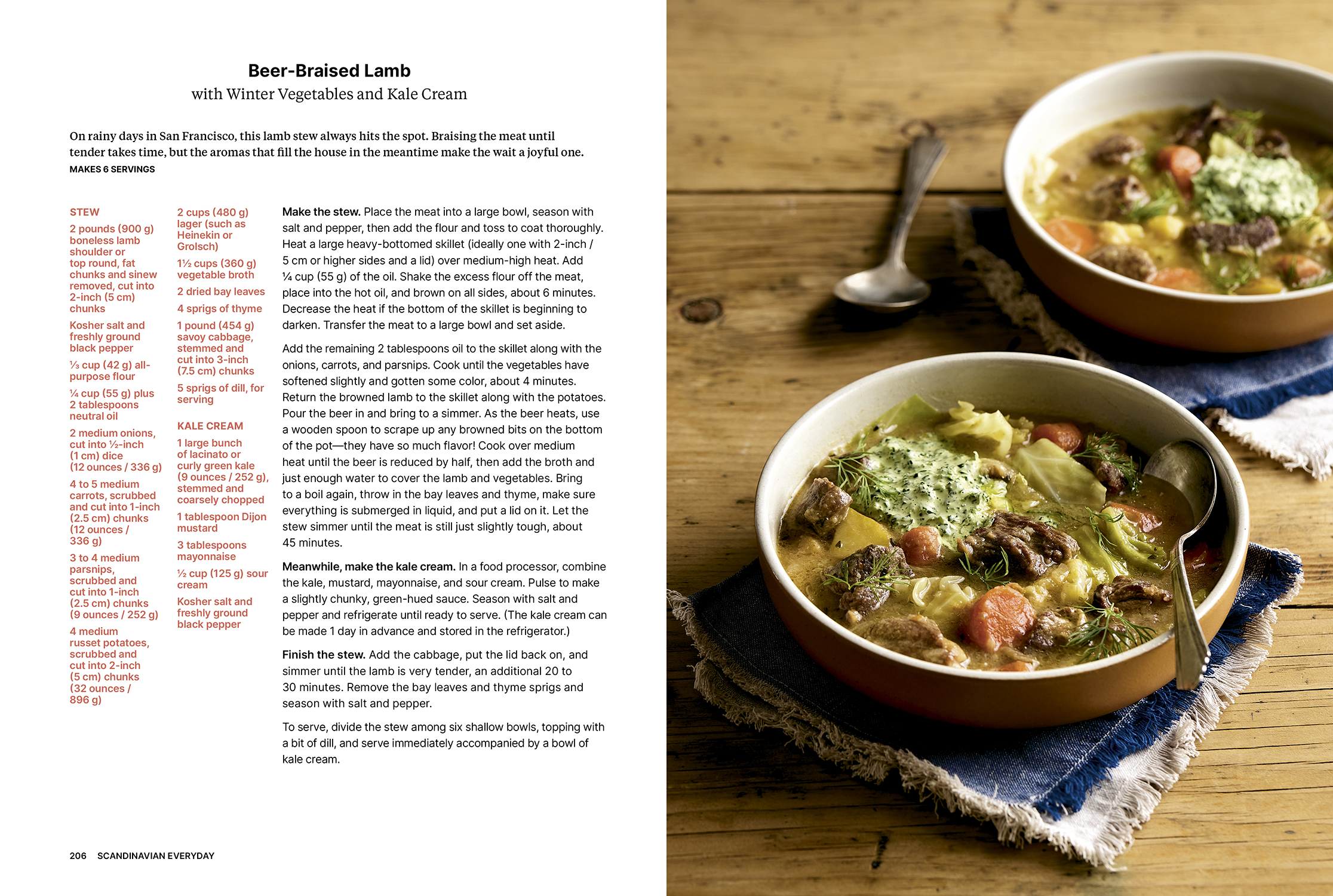
Scandinavian cuisine—the collective foods from Denmark, Norway, and Sweden—has evolved tremendously since I first moved abroad. Back then, meals at home were hearty and solid—meat, potatoes, and brown sauce ruled the day—and they lacked the freshness and vibrancy we now associate with Nordic cooking. The idea of eating locally and seasonally wasn’t even a topic of conversation, let alone a movement.
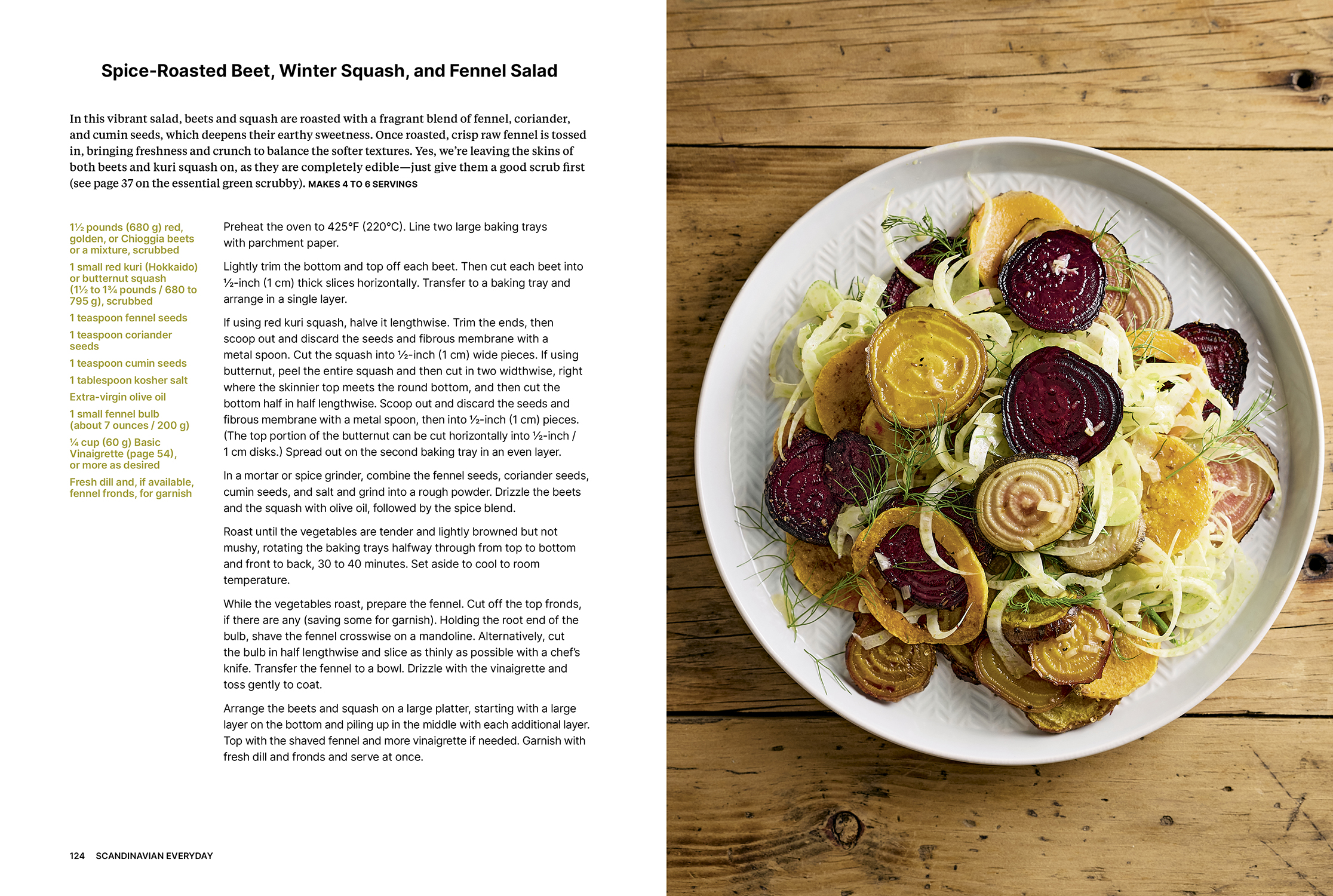
My first trips to Danish grocery stores back then were so very different from what I was accustomed to in the United States. The selection of produce was quite limited and clearly dominated by root vegetables like potatoes, beets, carrots, and celery root. At first, I felt limited by the lack of variety, but ultimately, I saw it as a challenge—an invitation to be more creative amid the constraints. Over time, farmers’ markets started popping up, local and organic options became the norm, and even home cooks began embracing plant-forward meals. Suddenly, dishes like Mung Bean Fritters with Goat Cheese (page 139) or a salad of SpiceRoasted Beet, Winter Squash, and Fennel (page 124) didn’t seem so unusual—they became part of our everyday repertoire and a path toward a healthy, more sustainable way of eating.
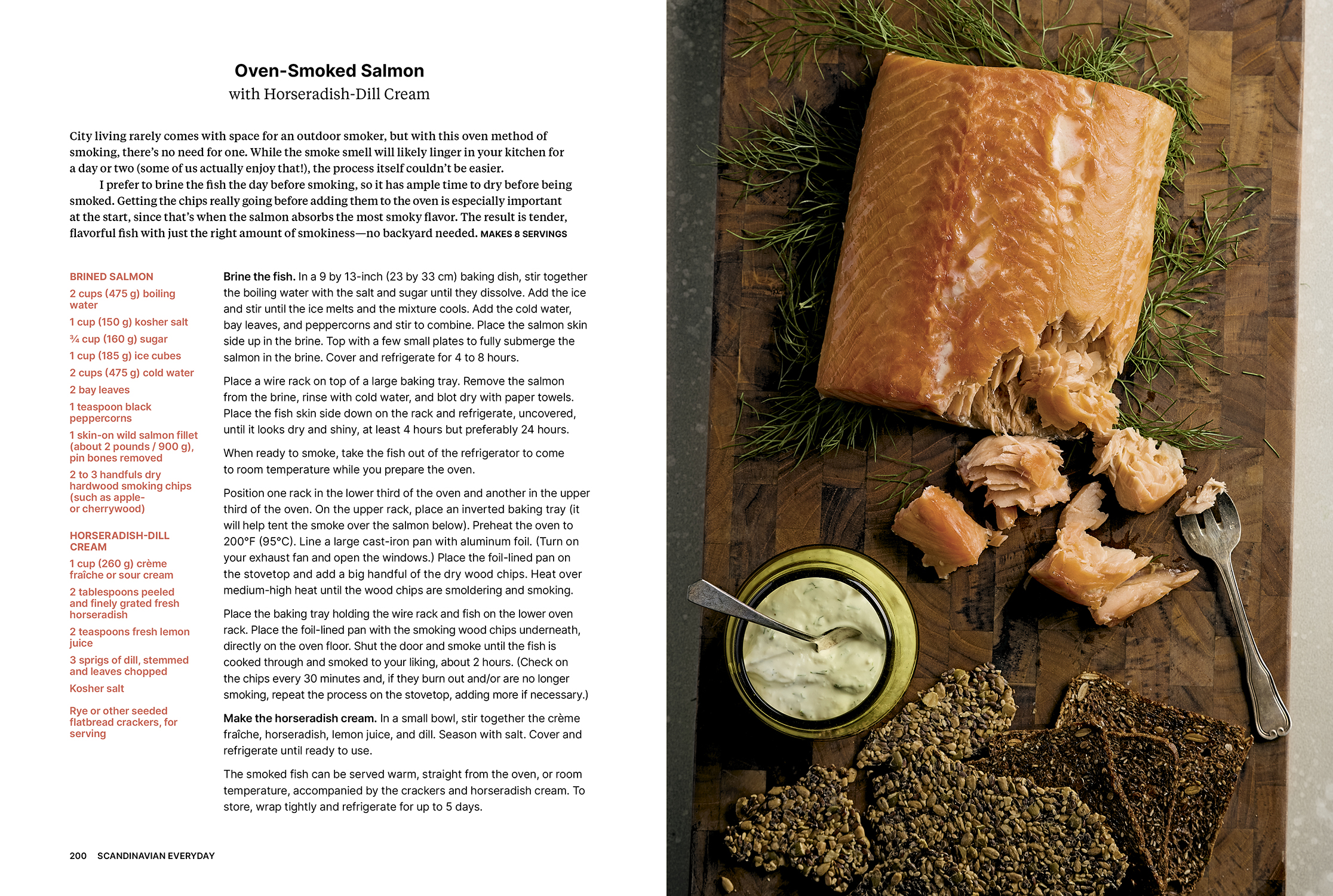
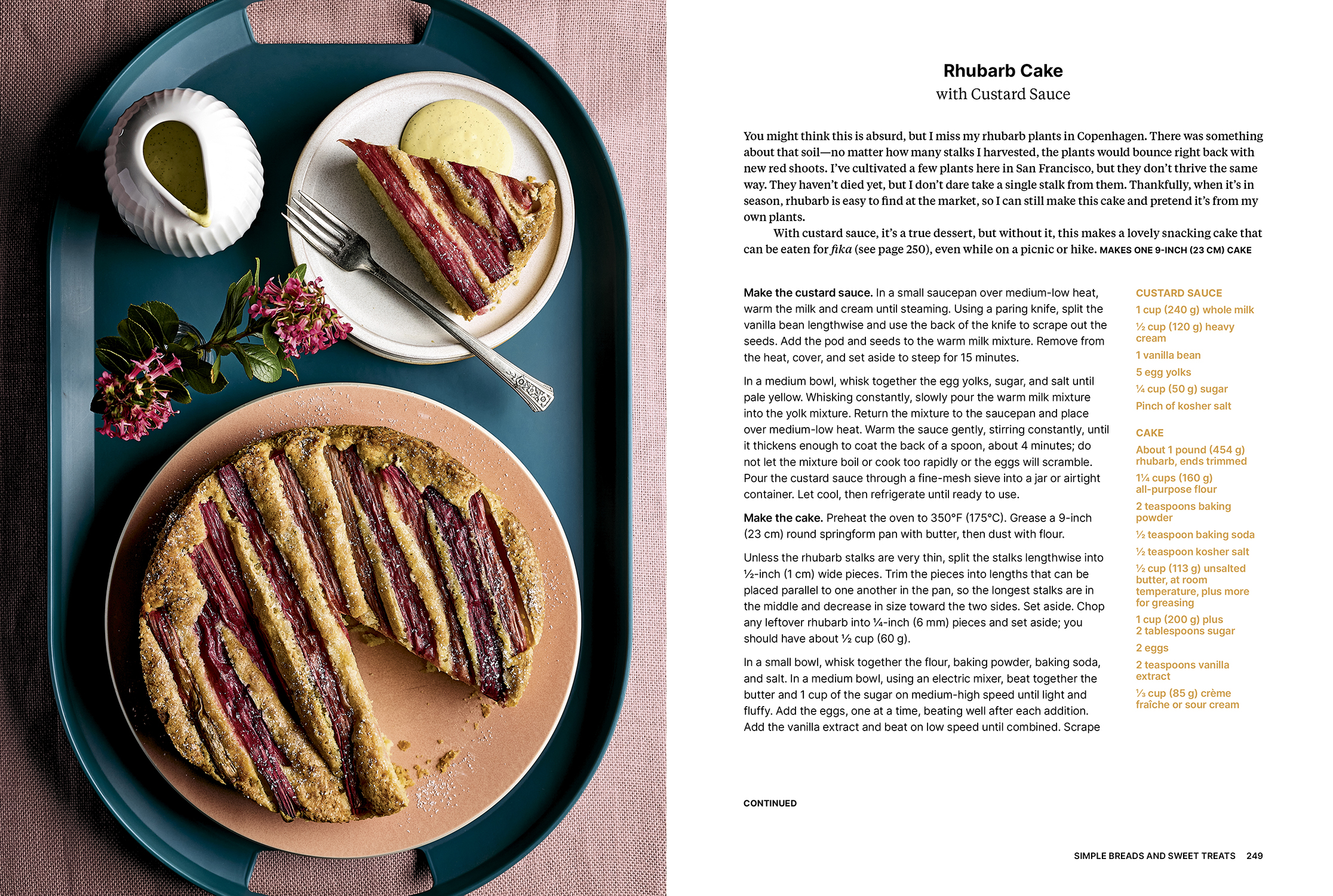
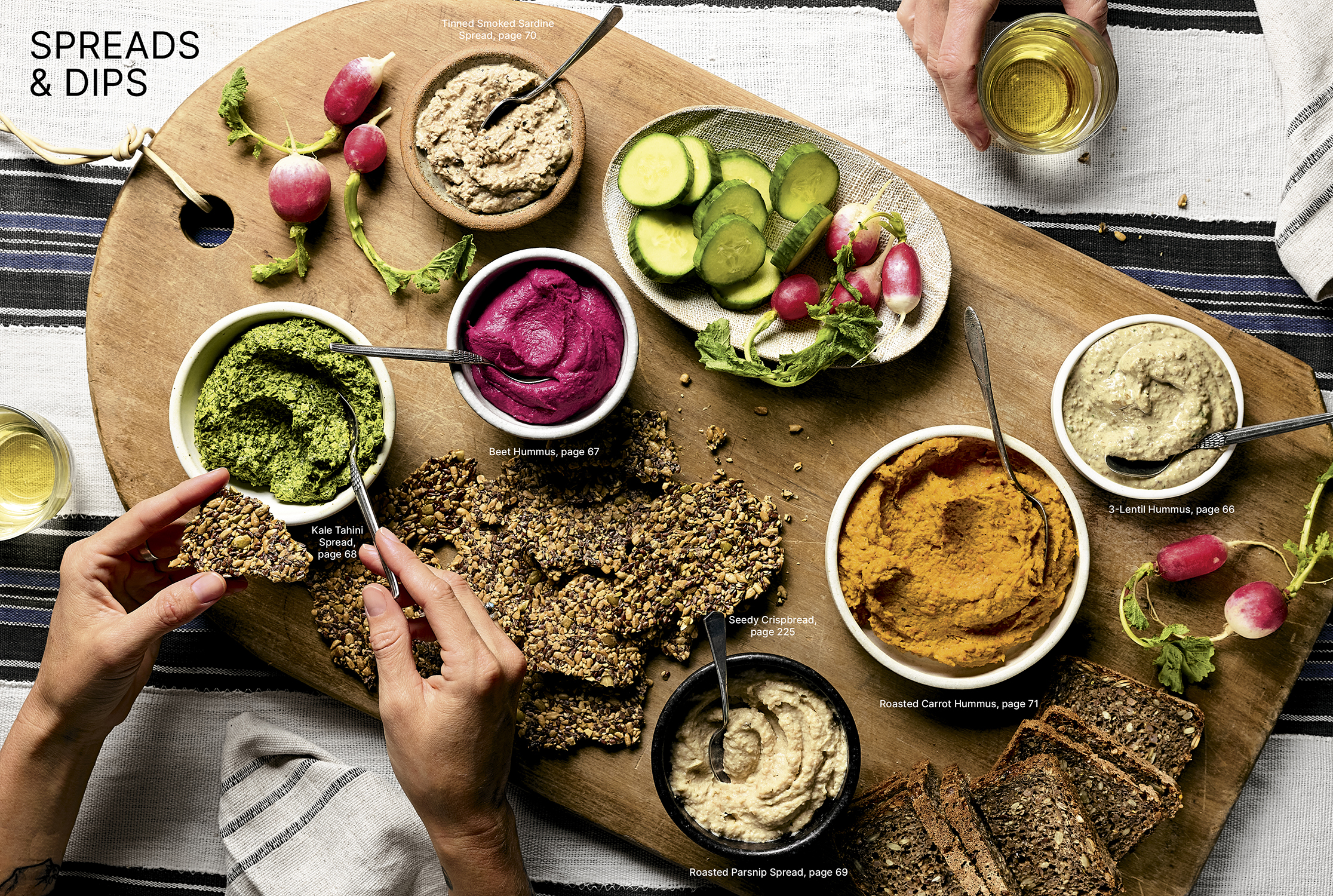
Contemporary Scandinavian food is mouthwateringly delicious; it’s made with an abundance of seasonal ingredients, nuts, seeds, good oils and dairy, whole grains, quality meat from neighboring woods or pastures, and sustainable fish from nearby waters. It’s food that is brined and smoked, cured and pickled, marinated and sprouted, or often just served raw with a sprinkle of salt. It’s approachable, fresh, vibrant food, made with ease in the home kitchen.
Copyright © 2026 by Nichole Accettola. All rights reserved. No part of this excerpt may be reproduced or reprinted without permission in writing from the publisher.