Close Modal

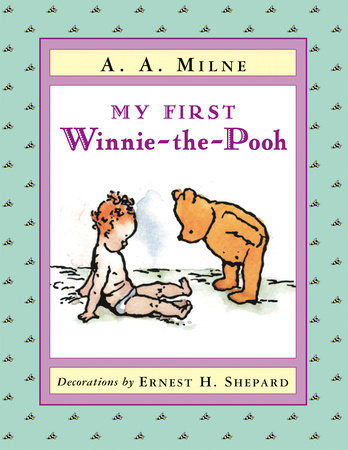
My First Winnie-the-Pooh

Illustrated by Ernest H. Shepard
Look inside
Board Book
$9.99 US
5.25"W x 6.75"H x 0.67"D   | 8 oz | 60 per carton
On sale Apr 15, 2002 | 20 Pages | 9780525468387
Age 0-3 years | Up to Preschool

additional book photo
Celebrating 100 years of one of the most beloved icons of children's literature, Winnie-the-Pooh!

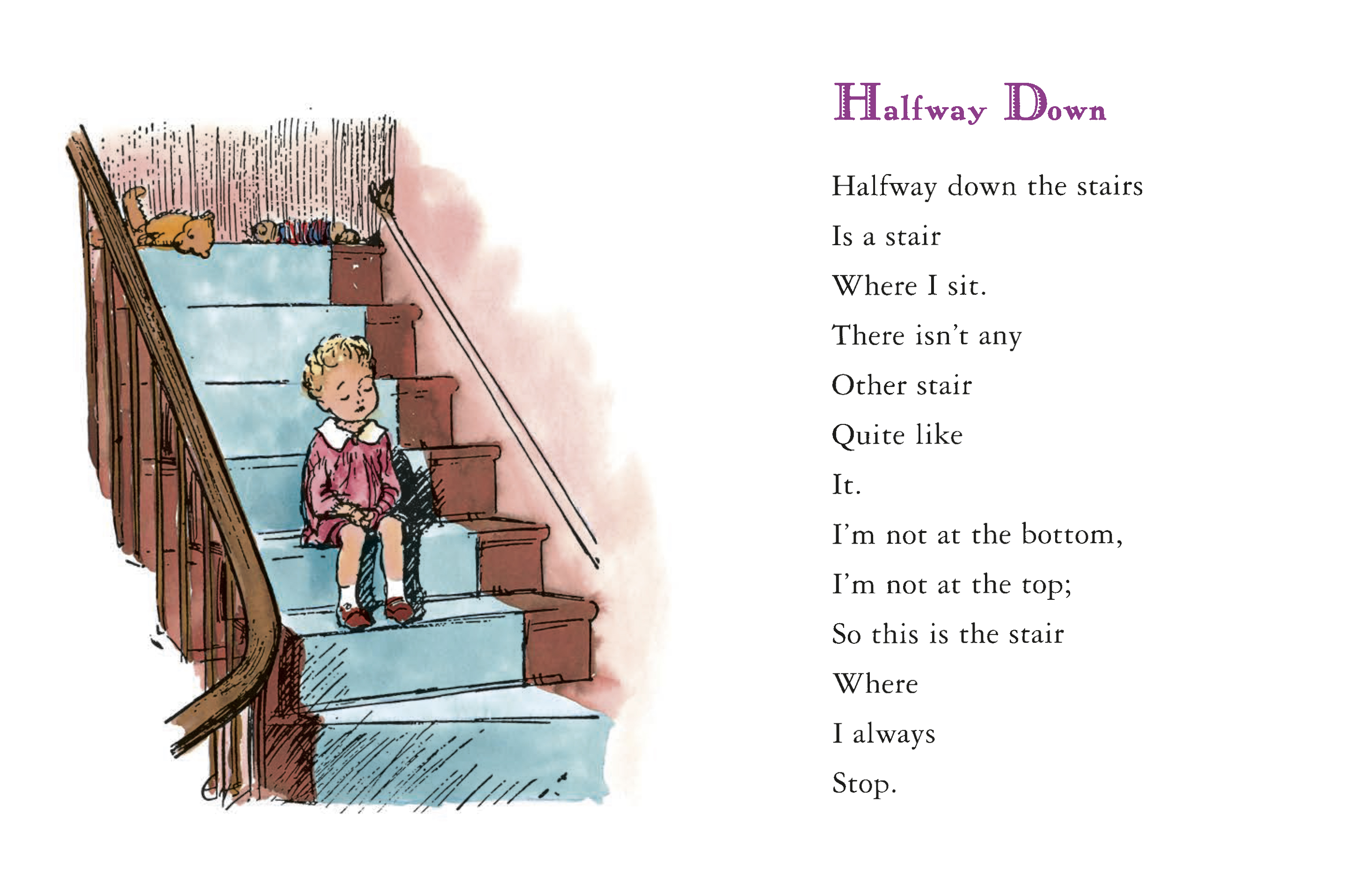
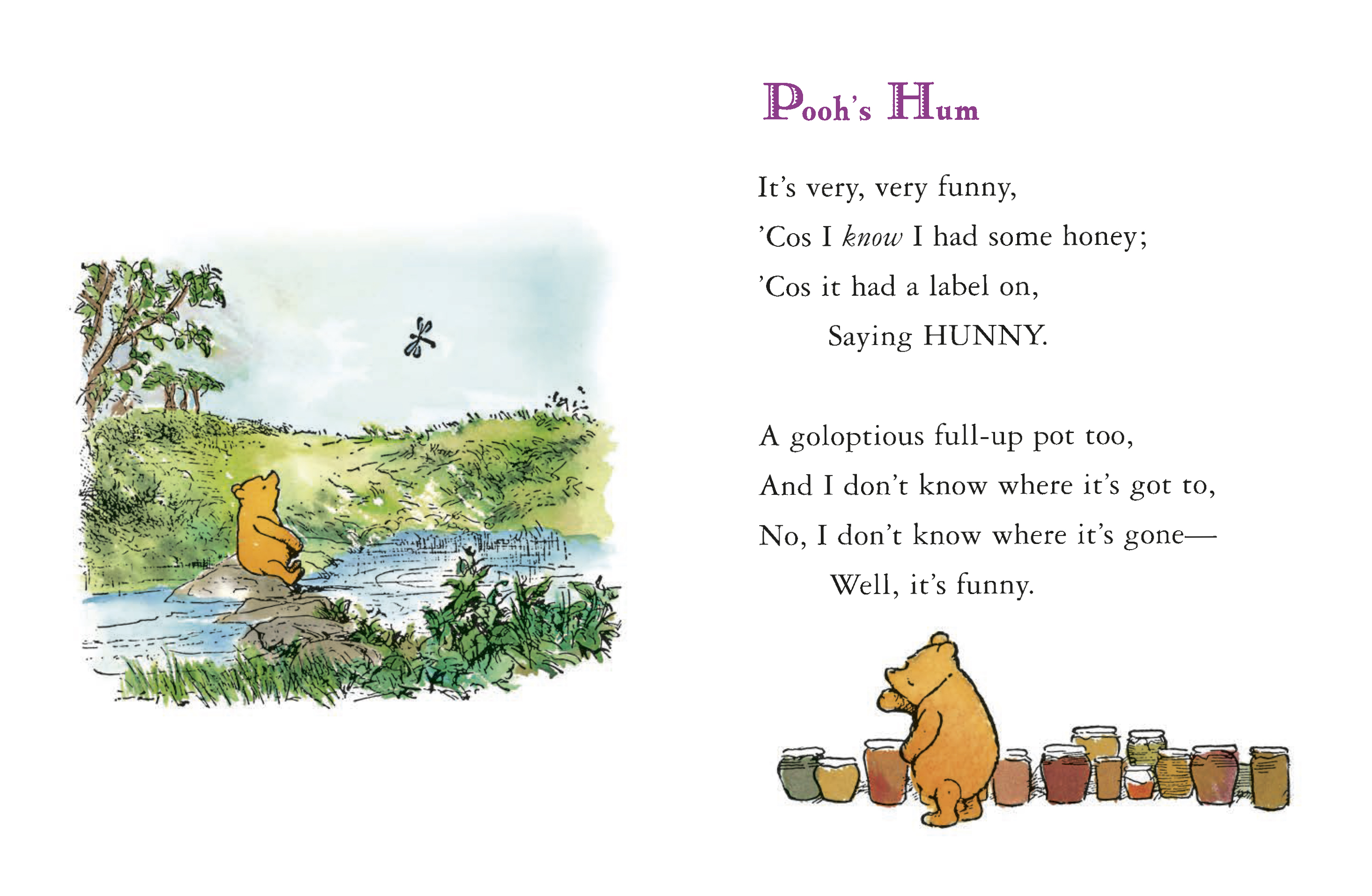
Generations of children have grown up reading and rereading A. A. Milne's verses, hums, and rhymes from his Winnie-the-Pooh storybooks and two volumes of poetry. This lovely gift collection gathers ten of these delightful verses, carefully chosen for the very youngest of Pooh's fans, accompanied by Ernest H. Shepard's beloved drawings in full color. Here are such favorites as "Furry Bear," "Us Two," "Vespers," and more.

Elegantly designed with a special padded cover and gold edges, this charming volume is the perfect introduction for a whole new generation to the Best Bear in All the World—Winnie-the-Pooh.
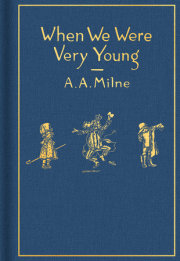
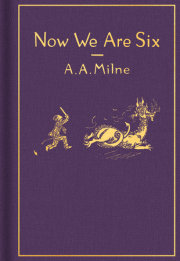
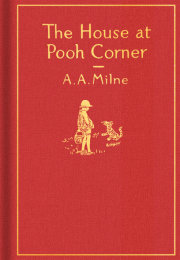
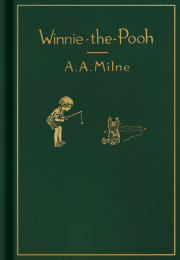
A. A. Milne (1882-1956) was born in England. He studied at Cambridge but left school in 1903 to write, soon supporting himself on his earnings as an editor at Punch magazine and as a playwright. His son Christopher Robin Milne was born in 1920. Christopher's toy bear, pig, donkey, tiger, and kangaroo inspired the famous Pooh books. Milne also wrote plays, a novel, his autobiography, and political nonfiction, although he is best remembered for Winnie-the-Pooh, The House at Pooh Corner, When We Were Very Young, and Now We Are Six. View titles by A. A. Milne
Ernest H. Shepard (1879-1976) was born in England. Shepard won a scholarship to the Royal Academy Schools, and, after graduating, supported himself by drawing for illustrated papers and books. He became a regular contributor to Punch magazine, where he met A. A. Milne. While working together, Shepard agreed to do the illustrations for Milne's first book of verse, When We Were Very Young. Shepard’s witty and loving illustrations of Winnie-the-Pooh and his friends in the Hundred Acre Wood have become an inseparable part of the Pooh stories, and they have become classics in their own right. View titles by Ernest H. Shepard

Photos

additional book photo

About

Celebrating 100 years of one of the most beloved icons of children's literature, Winnie-the-Pooh!

Generations of children have grown up reading and rereading A. A. Milne's verses, hums, and rhymes from his Winnie-the-Pooh storybooks and two volumes of poetry. This lovely gift collection gathers ten of these delightful verses, carefully chosen for the very youngest of Pooh's fans, accompanied by Ernest H. Shepard's beloved drawings in full color. Here are such favorites as "Furry Bear," "Us Two," "Vespers," and more.

Elegantly designed with a special padded cover and gold edges, this charming volume is the perfect introduction for a whole new generation to the Best Bear in All the World—Winnie-the-Pooh.

Author

A. A. Milne (1882-1956) was born in England. He studied at Cambridge but left school in 1903 to write, soon supporting himself on his earnings as an editor at Punch magazine and as a playwright. His son Christopher Robin Milne was born in 1920. Christopher's toy bear, pig, donkey, tiger, and kangaroo inspired the famous Pooh books. Milne also wrote plays, a novel, his autobiography, and political nonfiction, although he is best remembered for Winnie-the-Pooh, The House at Pooh Corner, When We Were Very Young, and Now We Are Six. View titles by A. A. Milne
Ernest H. Shepard (1879-1976) was born in England. Shepard won a scholarship to the Royal Academy Schools, and, after graduating, supported himself by drawing for illustrated papers and books. He became a regular contributor to Punch magazine, where he met A. A. Milne. While working together, Shepard agreed to do the illustrations for Milne's first book of verse, When We Were Very Young. Shepard’s witty and loving illustrations of Winnie-the-Pooh and his friends in the Hundred Acre Wood have become an inseparable part of the Pooh stories, and they have become classics in their own right. View titles by Ernest H. Shepard