

Close Modal

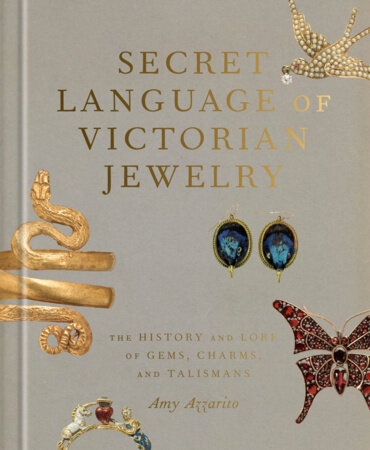
Secret Language of Victorian Jewelry

The History and Lore of Gems, Charms, and Talismans

Look inside
Hardcover (Paper-over-Board, no jacket)
$23.00 US
6.77"W x 8.25"H x 0.97"D   | 27 oz | 18 per carton
On sale Aug 18, 2026 | 272 Pages | 9798217034833

Discover the forgotten Victorian meanings behind the gems, jewels, and symbols in our everyday jewelry with this entrancing guide to more than sixty classic motifs.

Hearts, butterflies, and buckles are the stock and trade of today's trendiest jewelers. But did you know that these jewelry motifs, from the heart earrings you bought as a teenager at Claire’s, to the pearl necklace you remember you grandmother wearing, to the hair brooches popular at the Met Gala, take their cues from the Victorian era?

Hearts became trendy when Queen Victoria first began to wear them as part of her mourning wardrobe. Butterflies, an emblem for immortality, were all the rage in brooches. And buckles, symbolizing protection and fidelity, were popularized as the symbol for the underground Victorian society, the Order of the Garter.

Taking readers into the secret history of more than sixty jewelry symbols, motifs, and jewels, The Secret Language of Jewelry is the first of its kind—a guide that marries the past and present, helping us better understand our wardrobe choices and allowing us to choose the most meaningful and intentional gifts.

Written in a wry, engaging tone that brings the past to life, this book features stunning art with vivid historic examples of each topic. Armed with this manual, jewelry enthusiasts will be able to decode the hidden significance behind family heirlooms and celebrity wardrobe choices alike. All jewelry makes a statement—The Secret Language of Jewelry will empower readers to choose theirs.
Amy Azzarito is a design historian, author, and journalist whose work uncovers the histories woven into everyday objects. She is the author of Past & Present: 24 Favorite Moments in Decorative Arts History and The Elements of a Home: Curious Histories Behind Everyday Household Objects, from Pillows to Forks. She is currently completing her PhD dissertation on the role of women jewelers in eighteenth-century Britain at the University of York, UK. Amy lives in Marin County, California, with her daughter, Stella, husband, Mark, and cat, Freya. View titles by Amy Azzarito
Introduction

The jewelry we choose for ourselves silently communicates volumes about our personalities, beliefs, and unique stories. It is a visual language that has been documented by archeologists who uncovered shell beads dating back 135,000 years. These early humans weren’t wearing jewelry to keep up with fashion trends; they believed their necklaces, earrings, and bracelets were imbued with supernatural powers—from ensuring a safe passage to the afterlife to warding off evil spirits in this one.

These pieces—known as amulets, but sometimes called talismans or charms—conferred special protections or abilities on the wearer based on something inherent in their design (i.e., the shape, material, or color). The word amulet is derived from the Latin term amuletum, which signifies a means of defense. Every culture has an amuletic tradition; it is part of our humanity. Magical thinking gives us control over our lives. That belief system is interwoven with the history of jewelry and is the basis for its communicative properties.

Similar to citizens of the ancient world, many people today still believe in a malignant force called the evil eye, the harbinger of ill health and poor fortune. The evil eye is believed to be summoned about by a malevolent glare from another person, usually when the recipient is unaware. It is hard to overstate how worrisome it was for our ancestors 5,000 years ago. Amulets offered the only known protection.

In ancient Egypt, nearly all jewelry had some magical significance. Sometimes an amulet’s material was thought to protect the wearer, like those made from shells from the Red Sea. Or, the charm’s form might represent something specific. For example, a fish—obviously a great swimmer—was worn to prevent drowning. A frog was worn to ensure fertility, because so many of them appeared annually when the Nile flooded. Nearly every Roman relied on amuletic protection. Those with deep pockets turned to gemstones, like the opals that Roman generals carried into battle.

Medieval people continued this line of thinking, believing that they lived in a world swarming with unseen spirits, so as a result, anxiety about these malevolent spirits drove much of their jewelry choices. The Church had a complicated relationship with amulets, historically condemning them as superstitious, a word that was used to denigrate anything deemed pagan. In practice, the pull of amuletic traditions was hard to shake, and early Christians adapted those pagan customs, often incorporating Christian symbols and text. The use of amuletic objects—particularly, precious stones and engraved gems—to combat negative forces in the world continued through the Enlightenment.

By the late nineteenth century, people began to refer to their talismans by the less superstitious name of mascots. Family members sending soldiers off to war (think the Napoleonic Wars in Europe) would often give their loved ones a tiny mascot to be tucked into a pocket in hopes of a safe return home. These trinkets were the predecessors of our lucky sports team mascots.

This was a time when nearly every aspect of behavior was governed by a strict set of rules and etiquette. In this world of repressed expression, symbolic meaning was everywhere. There was floriography, which uncovered the hidden meanings behind flowers; there was a secret language of stamps, where the placement of postage could convey a coded meaning; colors had symbolic meanings; and then there was jewelry.

Given its intimate nature, jewelry was particularly ripe for Victorian symbolism. There were motifs such as the heart or the anchor, which symbolized fidelity, hope, trust, or the arrow, which glitters but also wounds. The materials also held significance, as gemstones had been imbued with meaning since the days of the ancients. For example, amethyst combined with pearls could symbolize loss. Coral was for protection, and turquoise was for love and loyalty.

Consider this volume your code breaker as we journey back to a world where Queen Victoria ruled, the transatlantic cable had just been invented, and stagecoach was the way to travel. As we cover a wide range of sixty jewels and symbolic motifs, we’ll learn about the amuletic traditions of each and the stunning jewelry they inspired.

Even though our modern fashion trends might move at the blink of an eye, jewelry has staying power. A pearl necklace worn by one’s grandmother has a preciousness that few other objects possess. But it’s the jewels we choose for ourselves—whether from a store or an estate sale—that will be our true personal legacy. So what will it be? A shooting star? A heart locket? Let’s find out.

About

Discover the forgotten Victorian meanings behind the gems, jewels, and symbols in our everyday jewelry with this entrancing guide to more than sixty classic motifs.

Hearts, butterflies, and buckles are the stock and trade of today's trendiest jewelers. But did you know that these jewelry motifs, from the heart earrings you bought as a teenager at Claire’s, to the pearl necklace you remember you grandmother wearing, to the hair brooches popular at the Met Gala, take their cues from the Victorian era?

Hearts became trendy when Queen Victoria first began to wear them as part of her mourning wardrobe. Butterflies, an emblem for immortality, were all the rage in brooches. And buckles, symbolizing protection and fidelity, were popularized as the symbol for the underground Victorian society, the Order of the Garter.

Taking readers into the secret history of more than sixty jewelry symbols, motifs, and jewels, The Secret Language of Jewelry is the first of its kind—a guide that marries the past and present, helping us better understand our wardrobe choices and allowing us to choose the most meaningful and intentional gifts.

Written in a wry, engaging tone that brings the past to life, this book features stunning art with vivid historic examples of each topic. Armed with this manual, jewelry enthusiasts will be able to decode the hidden significance behind family heirlooms and celebrity wardrobe choices alike. All jewelry makes a statement—The Secret Language of Jewelry will empower readers to choose theirs.

Author

Amy Azzarito is a design historian, author, and journalist whose work uncovers the histories woven into everyday objects. She is the author of Past & Present: 24 Favorite Moments in Decorative Arts History and The Elements of a Home: Curious Histories Behind Everyday Household Objects, from Pillows to Forks. She is currently completing her PhD dissertation on the role of women jewelers in eighteenth-century Britain at the University of York, UK. Amy lives in Marin County, California, with her daughter, Stella, husband, Mark, and cat, Freya. View titles by Amy Azzarito

Excerpt

Introduction

The jewelry we choose for ourselves silently communicates volumes about our personalities, beliefs, and unique stories. It is a visual language that has been documented by archeologists who uncovered shell beads dating back 135,000 years. These early humans weren’t wearing jewelry to keep up with fashion trends; they believed their necklaces, earrings, and bracelets were imbued with supernatural powers—from ensuring a safe passage to the afterlife to warding off evil spirits in this one.

These pieces—known as amulets, but sometimes called talismans or charms—conferred special protections or abilities on the wearer based on something inherent in their design (i.e., the shape, material, or color). The word amulet is derived from the Latin term amuletum, which signifies a means of defense. Every culture has an amuletic tradition; it is part of our humanity. Magical thinking gives us control over our lives. That belief system is interwoven with the history of jewelry and is the basis for its communicative properties.

Similar to citizens of the ancient world, many people today still believe in a malignant force called the evil eye, the harbinger of ill health and poor fortune. The evil eye is believed to be summoned about by a malevolent glare from another person, usually when the recipient is unaware. It is hard to overstate how worrisome it was for our ancestors 5,000 years ago. Amulets offered the only known protection.

In ancient Egypt, nearly all jewelry had some magical significance. Sometimes an amulet’s material was thought to protect the wearer, like those made from shells from the Red Sea. Or, the charm’s form might represent something specific. For example, a fish—obviously a great swimmer—was worn to prevent drowning. A frog was worn to ensure fertility, because so many of them appeared annually when the Nile flooded. Nearly every Roman relied on amuletic protection. Those with deep pockets turned to gemstones, like the opals that Roman generals carried into battle.

Medieval people continued this line of thinking, believing that they lived in a world swarming with unseen spirits, so as a result, anxiety about these malevolent spirits drove much of their jewelry choices. The Church had a complicated relationship with amulets, historically condemning them as superstitious, a word that was used to denigrate anything deemed pagan. In practice, the pull of amuletic traditions was hard to shake, and early Christians adapted those pagan customs, often incorporating Christian symbols and text. The use of amuletic objects—particularly, precious stones and engraved gems—to combat negative forces in the world continued through the Enlightenment.

By the late nineteenth century, people began to refer to their talismans by the less superstitious name of mascots. Family members sending soldiers off to war (think the Napoleonic Wars in Europe) would often give their loved ones a tiny mascot to be tucked into a pocket in hopes of a safe return home. These trinkets were the predecessors of our lucky sports team mascots.

This was a time when nearly every aspect of behavior was governed by a strict set of rules and etiquette. In this world of repressed expression, symbolic meaning was everywhere. There was floriography, which uncovered the hidden meanings behind flowers; there was a secret language of stamps, where the placement of postage could convey a coded meaning; colors had symbolic meanings; and then there was jewelry.

Given its intimate nature, jewelry was particularly ripe for Victorian symbolism. There were motifs such as the heart or the anchor, which symbolized fidelity, hope, trust, or the arrow, which glitters but also wounds. The materials also held significance, as gemstones had been imbued with meaning since the days of the ancients. For example, amethyst combined with pearls could symbolize loss. Coral was for protection, and turquoise was for love and loyalty.

Consider this volume your code breaker as we journey back to a world where Queen Victoria ruled, the transatlantic cable had just been invented, and stagecoach was the way to travel. As we cover a wide range of sixty jewels and symbolic motifs, we’ll learn about the amuletic traditions of each and the stunning jewelry they inspired.

Even though our modern fashion trends might move at the blink of an eye, jewelry has staying power. A pearl necklace worn by one’s grandmother has a preciousness that few other objects possess. But it’s the jewels we choose for ourselves—whether from a store or an estate sale—that will be our true personal legacy. So what will it be? A shooting star? A heart locket? Let’s find out.