Close Modal

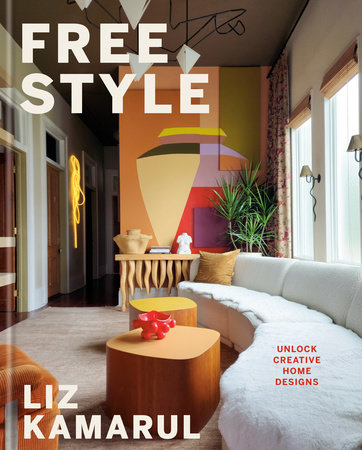
Free Style

Unlock Creative Home Designs: An Interior Design Book

Look inside
Hardcover (Paper-over-Board, no jacket)
$35.00 US
8.28"W x 10.3"H x 0.92"D   | 40 oz | 12 per carton
On sale Apr 21, 2026 | 240 Pages | 9798217033713

additional book photo
Forget the rules and transform your home without doing a full renovation using your own brilliant and creative ideas from the simple and intuitive methods of Free Style.

Creating the perfect home comes down to unlocking your own personal style and designing to reflect it. Designer and artist Liz Kamarul has always believed this, and in Free Style she shares her methods for creating uniquely beautiful homes.

Rather than rules and checklists, Liz offers a different approach for home design. She asks readers questions that can help them start the design process, including:
  • What do you already love? You’ll learn how to highlight specific colors, textures, and features so you can bring more of what you love into your space.
  • What’s the one thing you really don’t like? Sometimes it’s as easy as finding the biggest pain point and making it a positive. Elements that are unavoidable—like permanent fixtures you didn’t choose or pesky cords hanging from electronics—can be transformed into eye-catching design elements that elevate your décor rather than becoming an eyesore.
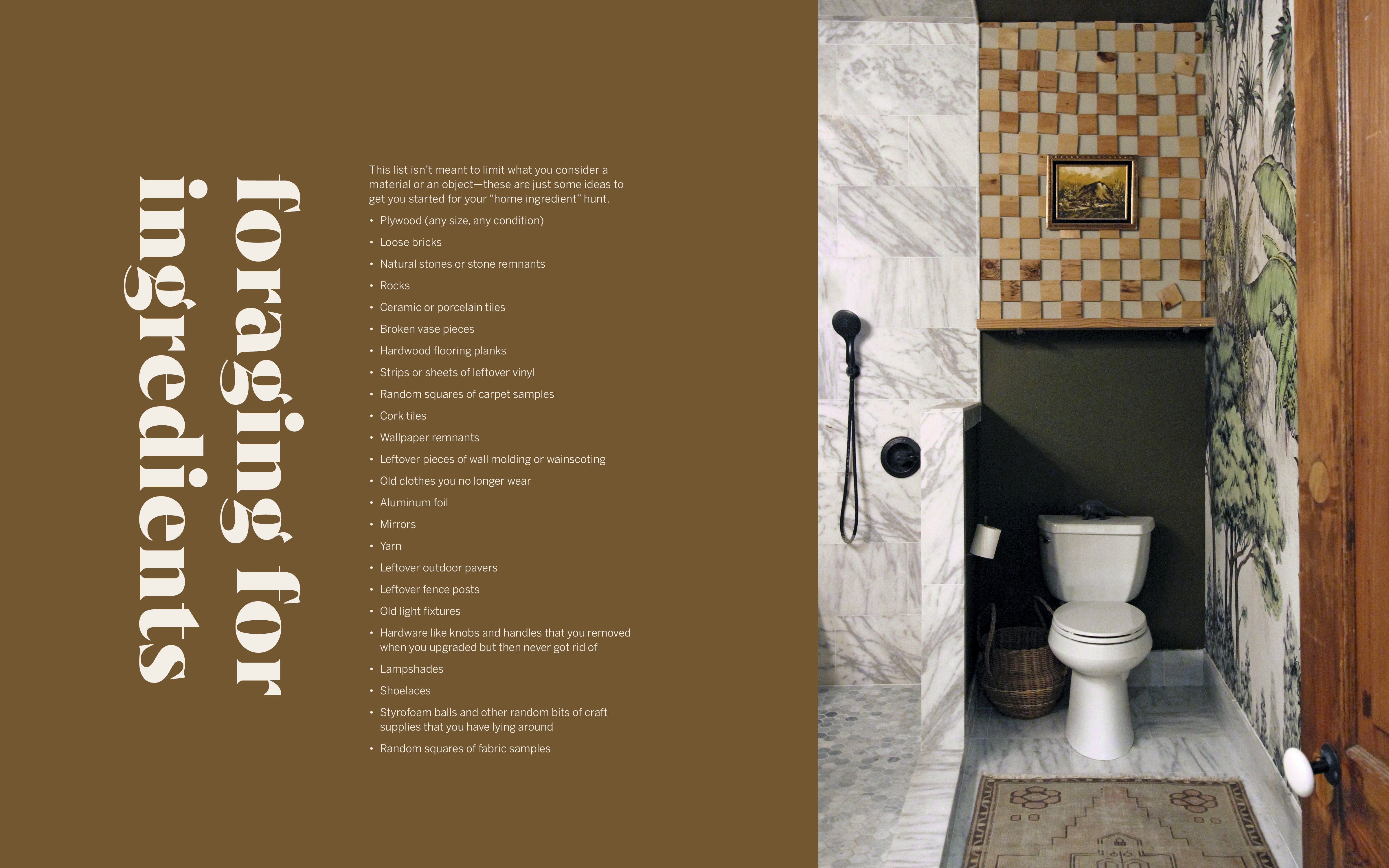
  • What do you already have? Stunning design doesn’t have to be expensive, and Liz shares her tips and tricks for giving new life to the things you already own and creating a new style around existing fixtures.

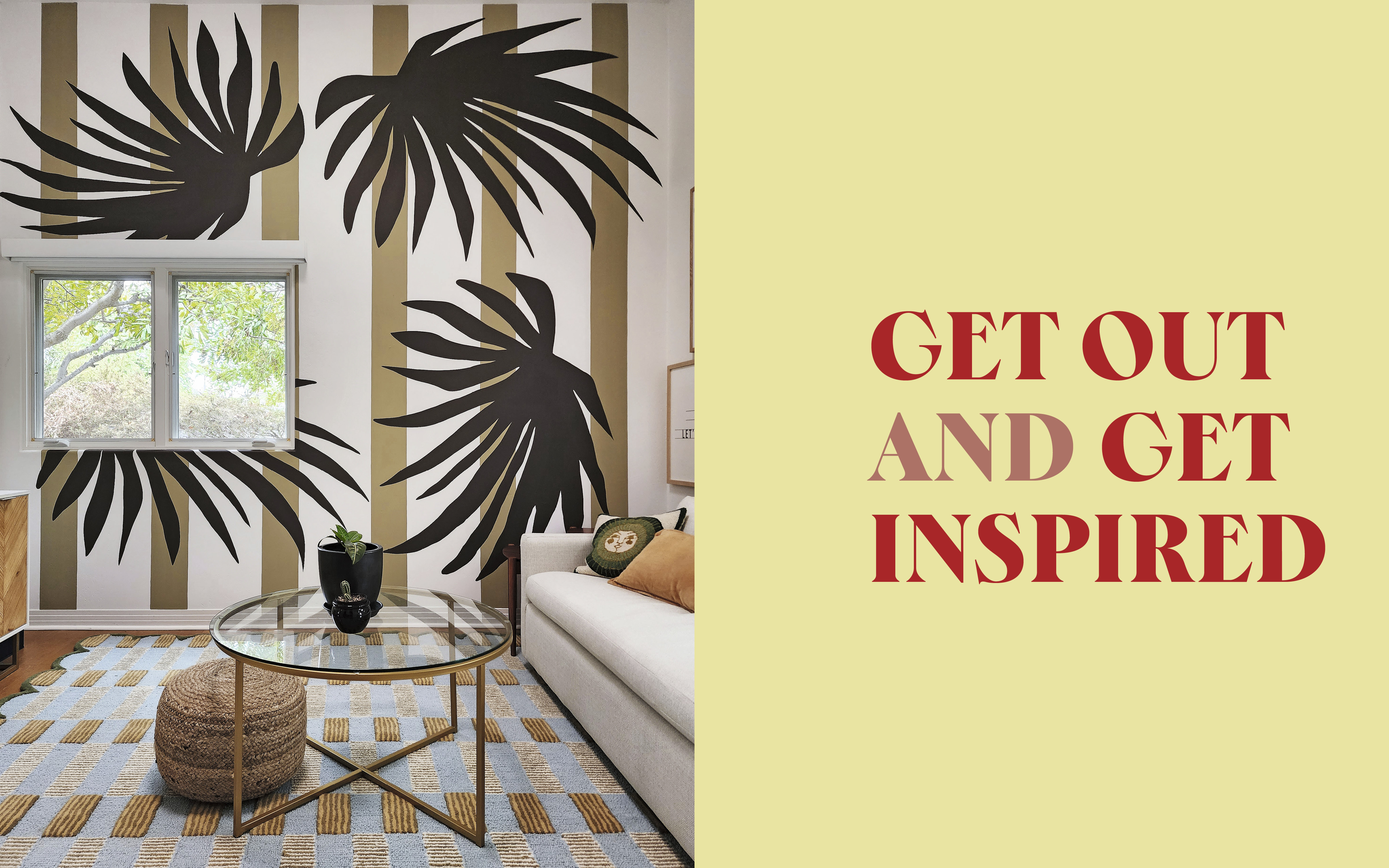
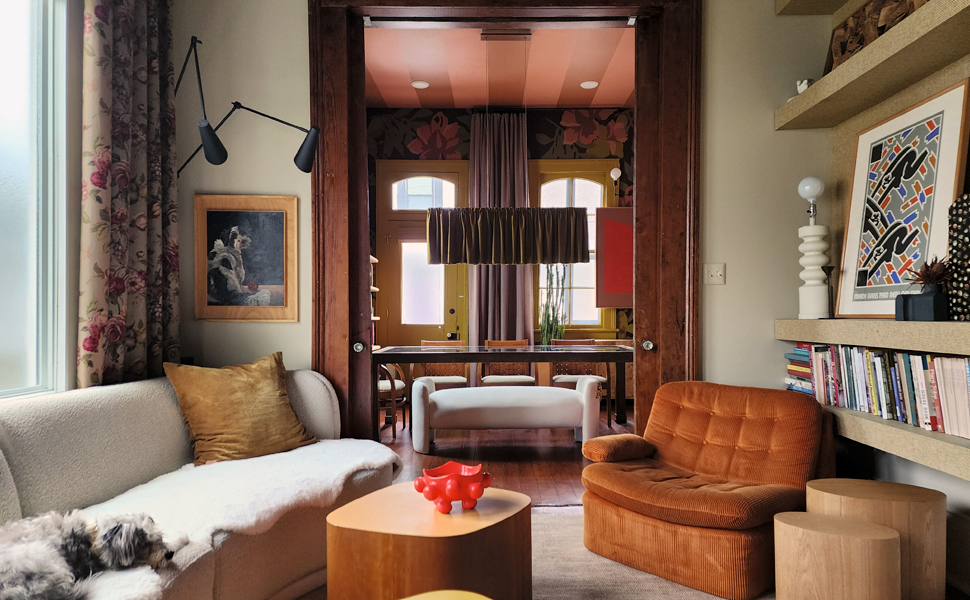
With gorgeous photos of homes that put these methods into action, you’ll be inspired to make mistakes, use materials in weird ways, work with what’s around, and in the end create a home that is amazingly and uniquely yours. Whether it’s a rental or a forever home, a full redesign or a budget project, Free Style is your guide to designing a personalized home that you’ll love living in.
“The down-to-earth approach of interior designer Liz Kamarul’s Free Style takes the pressure off of getting everything right, which makes decorating more enjoyable.”—BookPage

“Being creative sounds fun, but for many, actually coming up with a design idea and implementing it can be annoyingly complex. Liz Kamarul’s new book, Free Style: Unlock Creative Home Solutions, is the answer.”—Domino

“The vibrant, 240-page tome is overflowing with gorgeous inspo images shot by Kamarul and structured to walk readers through the process of defining their personal style, transforming unsightly items (think electronics cords) into design features and repurposing what you already have on hand.”—New Orleans Magazine

“Her bold and playful ideas—demonstrated throughout in gorgeous photographs—reveal the benefits of being fearless in design. Readers seeking to personalize their spaces will be eager to put Kamarul’s ideas into practice.”—Publishers Weekly
Liz Kamarul is a follow-no-rules, go-with-your-gut, New Orleans-based designer and muralist. She’s been featured in publications and on websites like Dwell, Design Milk, Coveteur, Apartment Therapy, Better Homes and Gardens, The Jungalow, Architectural Digest’s Get Clever, Domino, and more. View titles by Liz Kamarul
Introduction

Creativity has always been a vital part of my life.

For as long as I can remember, I’ve been painting and decorating (and repainting and redecorating) my surroundings, starting with my childhood bedroom.

I grew up in a small town in Northern Idaho, on nearly twenty wooded acres, the only child of two resourceful parents who fostered my imagination, encouraging me to use whatever was at hand to design spaces that reflected my personality. My parents gave me complete creative control over my room, so I developed my decorating muscles at an early age. In the third grade, I came up with the idea to put one continuous shelf along the middle of my walls, around my entire bedroom. My dad was happy to bring my design to life, building and installing the wooden shelf I’d imagined. I painted the walls above it a bright sunshine yellow and the walls below a rich crimson red, and for years I used that shelf to display and rearrange little collections of rocks, figurines, drawings, and more.

As I grew older, my bedroom walls became the canvas for my first murals. With little planning, I painted tons of white flowers and green vines across one yellow wall, adding petals and leaves one at a time and watching the mural grow larger organically. After covering that wall with flowers, I moved across to the next canvas—the opposite wall—and painted a forest of tall, thin, white birch trees. I played with color and pattern over and over again, allowing my room to evolve with me as I grew. And I didn’t let the walls define where my painting stopped: That birch tree mural extended onto my bedroom’s slanted ceiling, making the space feel cozier.

I am so grateful that my parents never told me no when I had a wild idea I wanted to try. I was never worried about breaking “rules.” It never even occurred to me that there were any. I internalized early on that experimenting is not only okay but can also lead to cool and unique results.

While I kept my earliest interior designs and wall murals in my bedroom, my parents let me decorate the rest of the house when I entered high school. I started simply and with what we already had: I would restyle the shelves and rearrange the living room a few times a year. I then began painting murals around the house, experimenting with a leaf pattern in the dining room and more nature patterns in other spaces. Using our family home as a playground inspired me to pursue a career in design, and I graduated from the University of Idaho, majoring in fashion and minoring in interior design.

My first real design job was with a home staging company in Portland, Oregon. While I’m grateful for the experience and felt inspired by staging at first, I soon grew bored with the neutral designs. In my mind, home staging seemed to be about removing all the personality from a space and redesigning it in a way that made it appealing to the broadest possible audience. I can understand the necessity of this when you’re trying to attract multiple prospective buyers, but it meant that experimenting with color, pattern, and art was not the priority. The goal was to eliminate character, a process that was difficult and discouraging for me. Though I did get to take home one of my favorite furniture pieces of all time—a patterned vintage sofa that I styled and restyled in my own homes for years—because it was too bold for a house we were staging.

Having to neutralize spaces as a home stager made my need to feel creative even stronger, and so I would experiment in the homes I was living in, first a rental and then later, a house in Portland that my husband, Tim, and I were fortunate to buy. Thankfully, Tim is also an art-minded person and embraces all the bold, unique, personalized designs I come up with (and loves to contribute to the creative process).

I took the frustration I felt with home staging and used it to inspire me to see my home as a place where there were no limits on what I could do. Being free to play around with design ideas and not having to follow any rules meant I finally started to feel comfortable and confident again with my own unique style. I tried out any design ideas that came to mind, however weird or unusual, and I didn’t worry about what I should or shouldn’t be doing. I also got really into thrifting and finding joy in the things that other people get rid of. (And I jokingly started the very long hashtagthisiswhyihavetothriftshopeveryday hashtag.) I began to feel as creative and carefree as I had when I was a kid playing around in my childhood bedroom.

For fun, I started sharing my projects on social media, and something amazing happened. I found (and, over time, helped build) a community of people like me—people who hate having to follow the rules, hate having to meet expectations, and don’t want to spend a ton of money on interior design but are looking to create unique and unexpected homes.

After three years in Portland, Tim and I decided we wanted a change. We saved up some money; bought and renovated a 1982 Winnebago Brave RV; got rid of most of our things; packed up our two dogs, Cudi and Bo; and traveled around the United States for six months in search of a new home. We landed in New Orleans, a city bursting with color and creativity, where we lived in a rental apartment before buying a converted double shotgun house with three small bedrooms, huge pocket doors, wood flooring, a tiny backyard, and many architectural features. It’s here that I’ve really been able to settle into my most authentic self, taking the time these past eight years to remodel and reshape the house to feel like us. Tim and I have transformed each room with paint, thrift store finds, and DIY projects. And our New Orleans home has come to reflect everything I believe is important about interior design. It’s been both a design playground and laboratory.

Throughout my travels, design experiments, and social media posts, I started to find another passion: inspiring others to play, experiment, explore, and break rules—which is why I’m writing this book.


WHAT YOU’LL FIND IN THIS BOOK

My creative process is not formal, and that’s a big part of why it’s fun and successful. But over the years, I have noticed that a few questions I ask myself over and over help me come up with unique home ideas. In the following chapters, I’ll go through these questions one by one, and pair them with real design project photos and explanations. In each chapter, I’ll take you through homes I’ve designed so you can see my mind and my processes at work. You’ll be able to follow how I start with an idea (or a thought, or a question) and how it evolves until I end up with a design I like. There will also be space for you to figure out how to make these processes your own and apply them to your home.

Along the way, there will be helpful sidebars about how to reuse or make over things you already have in your home, deep dives into my principles (which begin on page 40), and photos that inspire you to think about your home differently. And I also share tips for taking inspiration from the world around you.

As you read the book, you’ll understand the creative method I’ve honed over the years and find one that sparks your creativity and motivation. By the end of the book, you’ll have the tools to transform your home with your own brilliant and creative ideas.

This book will also give you the support, freedom, encouragement, and permission to do what I’ve always done: make mistakes, use materials in weird ways, and work with what’s around, all to create a home that looks and feels like me—not like whatever happens to be trendy right now.


WHAT YOU’LL BE ABLE TO DO ONCE YOU’VE READ THIS BOOK

After reading Free Style, you’ll see that there are more possibilities than limitations. That by experimenting and thinking outside the box, you can find your own style, not simply follow whatever style is popular at the moment. Because when you spark inspiration for your home through your own creative experimentation, you won’t feel the pressure to change along with the changing tides of design trends. When you design a home that looks and feels like you, and not like the other homes you see online, you’ll be less likely to look around in a few months and hate what you see.

When I’m at home, I’m energized. I’m in a good mood. I feel creative. And I genuinely believe it’s because I’ve crafted a space that is fun and filled with experiments and my own ideas. I want your home to make you feel this way, too.

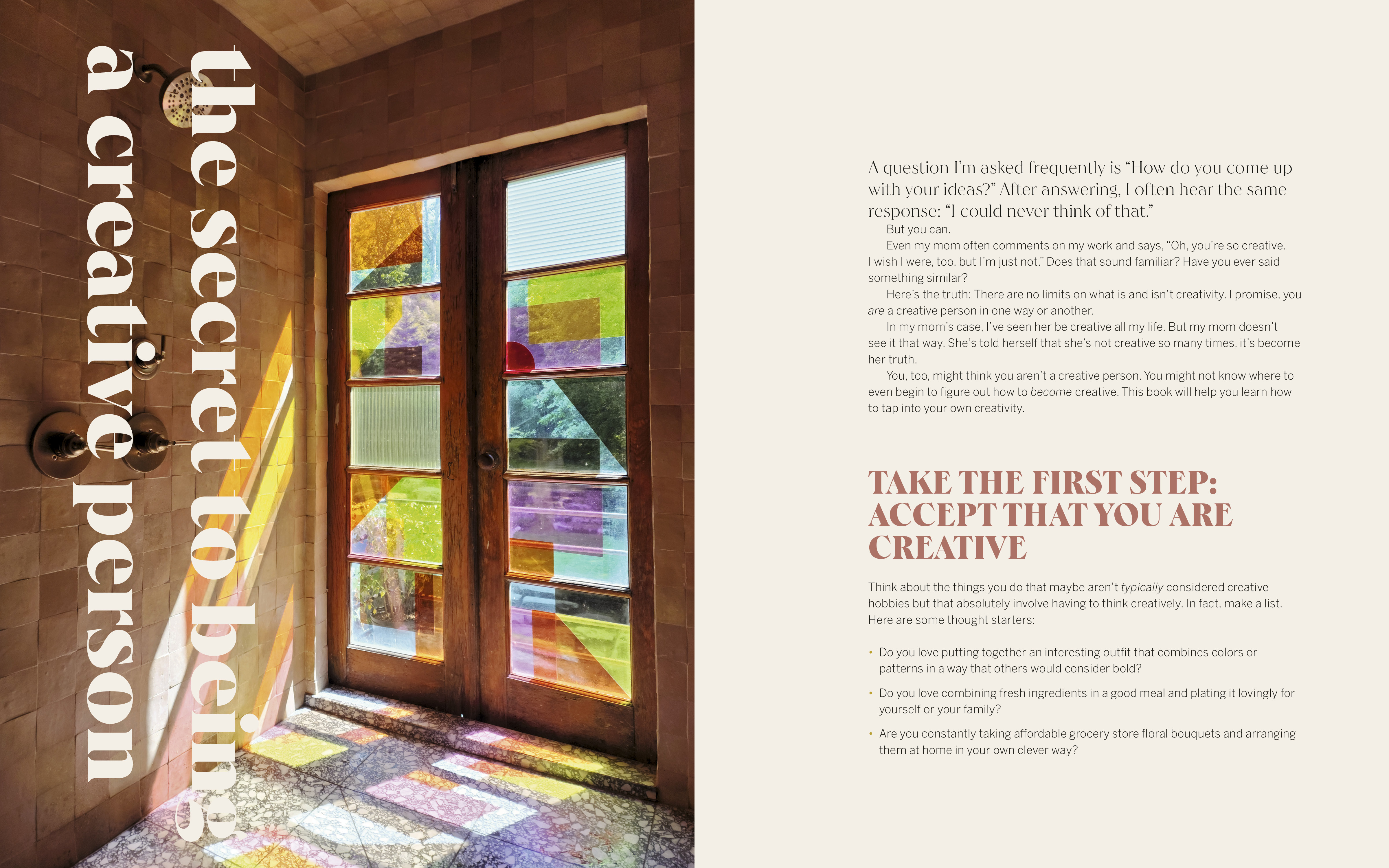
But before we dive in, let me remind you that the very first step is to stop telling yourself you aren’t creative.

Photos

additional book photo

About

Forget the rules and transform your home without doing a full renovation using your own brilliant and creative ideas from the simple and intuitive methods of Free Style.

Creating the perfect home comes down to unlocking your own personal style and designing to reflect it. Designer and artist Liz Kamarul has always believed this, and in Free Style she shares her methods for creating uniquely beautiful homes.

Rather than rules and checklists, Liz offers a different approach for home design. She asks readers questions that can help them start the design process, including:
  • What do you already love? You’ll learn how to highlight specific colors, textures, and features so you can bring more of what you love into your space.
  • What’s the one thing you really don’t like? Sometimes it’s as easy as finding the biggest pain point and making it a positive. Elements that are unavoidable—like permanent fixtures you didn’t choose or pesky cords hanging from electronics—can be transformed into eye-catching design elements that elevate your décor rather than becoming an eyesore.
  • What do you already have? Stunning design doesn’t have to be expensive, and Liz shares her tips and tricks for giving new life to the things you already own and creating a new style around existing fixtures.

With gorgeous photos of homes that put these methods into action, you’ll be inspired to make mistakes, use materials in weird ways, work with what’s around, and in the end create a home that is amazingly and uniquely yours. Whether it’s a rental or a forever home, a full redesign or a budget project, Free Style is your guide to designing a personalized home that you’ll love living in.

Praise

“The down-to-earth approach of interior designer Liz Kamarul’s Free Style takes the pressure off of getting everything right, which makes decorating more enjoyable.”—BookPage

“Being creative sounds fun, but for many, actually coming up with a design idea and implementing it can be annoyingly complex. Liz Kamarul’s new book, Free Style: Unlock Creative Home Solutions, is the answer.”—Domino

“The vibrant, 240-page tome is overflowing with gorgeous inspo images shot by Kamarul and structured to walk readers through the process of defining their personal style, transforming unsightly items (think electronics cords) into design features and repurposing what you already have on hand.”—New Orleans Magazine

“Her bold and playful ideas—demonstrated throughout in gorgeous photographs—reveal the benefits of being fearless in design. Readers seeking to personalize their spaces will be eager to put Kamarul’s ideas into practice.”—Publishers Weekly

Author

Liz Kamarul is a follow-no-rules, go-with-your-gut, New Orleans-based designer and muralist. She’s been featured in publications and on websites like Dwell, Design Milk, Coveteur, Apartment Therapy, Better Homes and Gardens, The Jungalow, Architectural Digest’s Get Clever, Domino, and more. View titles by Liz Kamarul

Excerpt

Introduction

Creativity has always been a vital part of my life.

For as long as I can remember, I’ve been painting and decorating (and repainting and redecorating) my surroundings, starting with my childhood bedroom.

I grew up in a small town in Northern Idaho, on nearly twenty wooded acres, the only child of two resourceful parents who fostered my imagination, encouraging me to use whatever was at hand to design spaces that reflected my personality. My parents gave me complete creative control over my room, so I developed my decorating muscles at an early age. In the third grade, I came up with the idea to put one continuous shelf along the middle of my walls, around my entire bedroom. My dad was happy to bring my design to life, building and installing the wooden shelf I’d imagined. I painted the walls above it a bright sunshine yellow and the walls below a rich crimson red, and for years I used that shelf to display and rearrange little collections of rocks, figurines, drawings, and more.

As I grew older, my bedroom walls became the canvas for my first murals. With little planning, I painted tons of white flowers and green vines across one yellow wall, adding petals and leaves one at a time and watching the mural grow larger organically. After covering that wall with flowers, I moved across to the next canvas—the opposite wall—and painted a forest of tall, thin, white birch trees. I played with color and pattern over and over again, allowing my room to evolve with me as I grew. And I didn’t let the walls define where my painting stopped: That birch tree mural extended onto my bedroom’s slanted ceiling, making the space feel cozier.

I am so grateful that my parents never told me no when I had a wild idea I wanted to try. I was never worried about breaking “rules.” It never even occurred to me that there were any. I internalized early on that experimenting is not only okay but can also lead to cool and unique results.

While I kept my earliest interior designs and wall murals in my bedroom, my parents let me decorate the rest of the house when I entered high school. I started simply and with what we already had: I would restyle the shelves and rearrange the living room a few times a year. I then began painting murals around the house, experimenting with a leaf pattern in the dining room and more nature patterns in other spaces. Using our family home as a playground inspired me to pursue a career in design, and I graduated from the University of Idaho, majoring in fashion and minoring in interior design.

My first real design job was with a home staging company in Portland, Oregon. While I’m grateful for the experience and felt inspired by staging at first, I soon grew bored with the neutral designs. In my mind, home staging seemed to be about removing all the personality from a space and redesigning it in a way that made it appealing to the broadest possible audience. I can understand the necessity of this when you’re trying to attract multiple prospective buyers, but it meant that experimenting with color, pattern, and art was not the priority. The goal was to eliminate character, a process that was difficult and discouraging for me. Though I did get to take home one of my favorite furniture pieces of all time—a patterned vintage sofa that I styled and restyled in my own homes for years—because it was too bold for a house we were staging.

Having to neutralize spaces as a home stager made my need to feel creative even stronger, and so I would experiment in the homes I was living in, first a rental and then later, a house in Portland that my husband, Tim, and I were fortunate to buy. Thankfully, Tim is also an art-minded person and embraces all the bold, unique, personalized designs I come up with (and loves to contribute to the creative process).

I took the frustration I felt with home staging and used it to inspire me to see my home as a place where there were no limits on what I could do. Being free to play around with design ideas and not having to follow any rules meant I finally started to feel comfortable and confident again with my own unique style. I tried out any design ideas that came to mind, however weird or unusual, and I didn’t worry about what I should or shouldn’t be doing. I also got really into thrifting and finding joy in the things that other people get rid of. (And I jokingly started the very long hashtagthisiswhyihavetothriftshopeveryday hashtag.) I began to feel as creative and carefree as I had when I was a kid playing around in my childhood bedroom.

For fun, I started sharing my projects on social media, and something amazing happened. I found (and, over time, helped build) a community of people like me—people who hate having to follow the rules, hate having to meet expectations, and don’t want to spend a ton of money on interior design but are looking to create unique and unexpected homes.

After three years in Portland, Tim and I decided we wanted a change. We saved up some money; bought and renovated a 1982 Winnebago Brave RV; got rid of most of our things; packed up our two dogs, Cudi and Bo; and traveled around the United States for six months in search of a new home. We landed in New Orleans, a city bursting with color and creativity, where we lived in a rental apartment before buying a converted double shotgun house with three small bedrooms, huge pocket doors, wood flooring, a tiny backyard, and many architectural features. It’s here that I’ve really been able to settle into my most authentic self, taking the time these past eight years to remodel and reshape the house to feel like us. Tim and I have transformed each room with paint, thrift store finds, and DIY projects. And our New Orleans home has come to reflect everything I believe is important about interior design. It’s been both a design playground and laboratory.

Throughout my travels, design experiments, and social media posts, I started to find another passion: inspiring others to play, experiment, explore, and break rules—which is why I’m writing this book.


WHAT YOU’LL FIND IN THIS BOOK

My creative process is not formal, and that’s a big part of why it’s fun and successful. But over the years, I have noticed that a few questions I ask myself over and over help me come up with unique home ideas. In the following chapters, I’ll go through these questions one by one, and pair them with real design project photos and explanations. In each chapter, I’ll take you through homes I’ve designed so you can see my mind and my processes at work. You’ll be able to follow how I start with an idea (or a thought, or a question) and how it evolves until I end up with a design I like. There will also be space for you to figure out how to make these processes your own and apply them to your home.

Along the way, there will be helpful sidebars about how to reuse or make over things you already have in your home, deep dives into my principles (which begin on page 40), and photos that inspire you to think about your home differently. And I also share tips for taking inspiration from the world around you.

As you read the book, you’ll understand the creative method I’ve honed over the years and find one that sparks your creativity and motivation. By the end of the book, you’ll have the tools to transform your home with your own brilliant and creative ideas.

This book will also give you the support, freedom, encouragement, and permission to do what I’ve always done: make mistakes, use materials in weird ways, and work with what’s around, all to create a home that looks and feels like me—not like whatever happens to be trendy right now.


WHAT YOU’LL BE ABLE TO DO ONCE YOU’VE READ THIS BOOK

After reading Free Style, you’ll see that there are more possibilities than limitations. That by experimenting and thinking outside the box, you can find your own style, not simply follow whatever style is popular at the moment. Because when you spark inspiration for your home through your own creative experimentation, you won’t feel the pressure to change along with the changing tides of design trends. When you design a home that looks and feels like you, and not like the other homes you see online, you’ll be less likely to look around in a few months and hate what you see.

When I’m at home, I’m energized. I’m in a good mood. I feel creative. And I genuinely believe it’s because I’ve crafted a space that is fun and filled with experiments and my own ideas. I want your home to make you feel this way, too.

But before we dive in, let me remind you that the very first step is to stop telling yourself you aren’t creative.