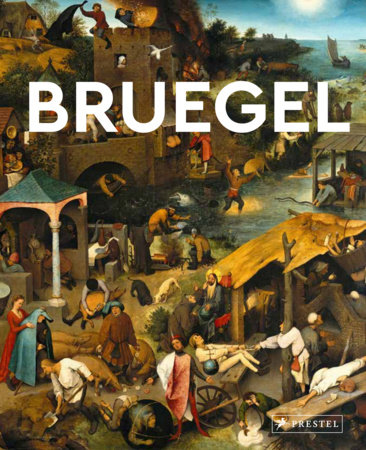
This richly illustrated introduction to Pieter Bruegel the Elder‘s major works brings his enduring themes and empirical, morally charged vision of collective life into focus.
Pieter Bruegel’s depictions of everyday sixteenth century Netherlandish life demonstrated his extraordinary ability to observe and convey the world of ordinary people. This compact and accessible volume presents Bruegel’s essential paintings in a chronological sequence of over 50 finely reproduced works that reveal the depth, texture, and expressive range of his art. Key works including The Wedding Dance, The Fall of the Rebel Angels, The Census at Bethlehem, and The Procession to Calvary appear alongside incisive commentary that highlights his innovations and sheds new light on his technique. The book traces Bruegel’s artistic development from his entry into the Antwerp painters’ guild in 1551 through his rise as one of the most distinctive and influential artists of his era, while cultural, political, and religious forces come into view as shaping pressures behind scenes of communal life, labor, spectacle, and satire that reflect human behavior, belief, and power with unsparing clarity. Exquisite reproductions of Bruegel’s paintings and graphic works show what an extraordinary painter he was. Informative and visually generous, this volume offers an engaging introduction to one of the central figures of Northern Renaissance art.
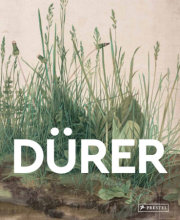
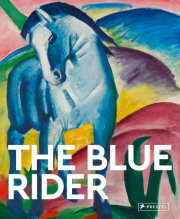
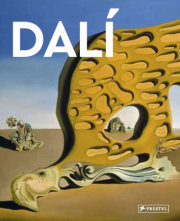
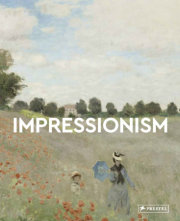
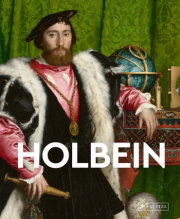
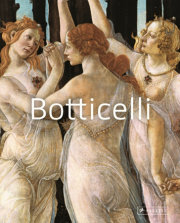
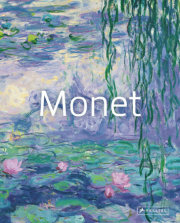
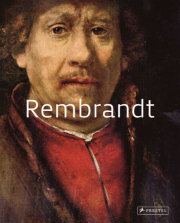
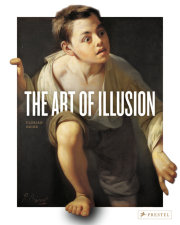
Florian Heine is a photographer, an art historian and author of numerous books on art and photography. His publications for Prestel include 13 Art Inventions Children Should Know, Photography: Groundbreaking Moments, The Art of Illusion and several volumes in the Masters of Art series, including Dürer, Holbein, Impressionism, and The Blue Rider. He also served as the screenwriter for the television series The First Time: How New Things Came into Art, based on one of his books.
This richly illustrated introduction to Pieter Bruegel the Elder‘s major works brings his enduring themes and empirical, morally charged vision of collective life into focus.
Pieter Bruegel’s depictions of everyday sixteenth century Netherlandish life demonstrated his extraordinary ability to observe and convey the world of ordinary people. This compact and accessible volume presents Bruegel’s essential paintings in a chronological sequence of over 50 finely reproduced works that reveal the depth, texture, and expressive range of his art. Key works including The Wedding Dance, The Fall of the Rebel Angels, The Census at Bethlehem, and The Procession to Calvary appear alongside incisive commentary that highlights his innovations and sheds new light on his technique. The book traces Bruegel’s artistic development from his entry into the Antwerp painters’ guild in 1551 through his rise as one of the most distinctive and influential artists of his era, while cultural, political, and religious forces come into view as shaping pressures behind scenes of communal life, labor, spectacle, and satire that reflect human behavior, belief, and power with unsparing clarity. Exquisite reproductions of Bruegel’s paintings and graphic works show what an extraordinary painter he was. Informative and visually generous, this volume offers an engaging introduction to one of the central figures of Northern Renaissance art.
Author
Florian Heine is a photographer, an art historian and author of numerous books on art and photography. His publications for Prestel include 13 Art Inventions Children Should Know, Photography: Groundbreaking Moments, The Art of Illusion and several volumes in the Masters of Art series, including Dürer, Holbein, Impressionism, and The Blue Rider. He also served as the screenwriter for the television series The First Time: How New Things Came into Art, based on one of his books.