




Close Modal

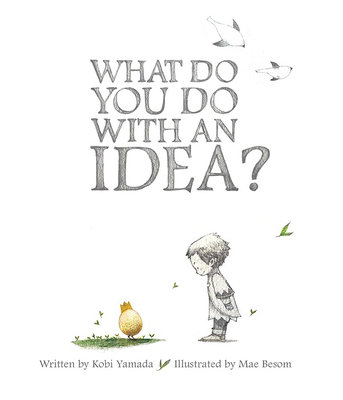
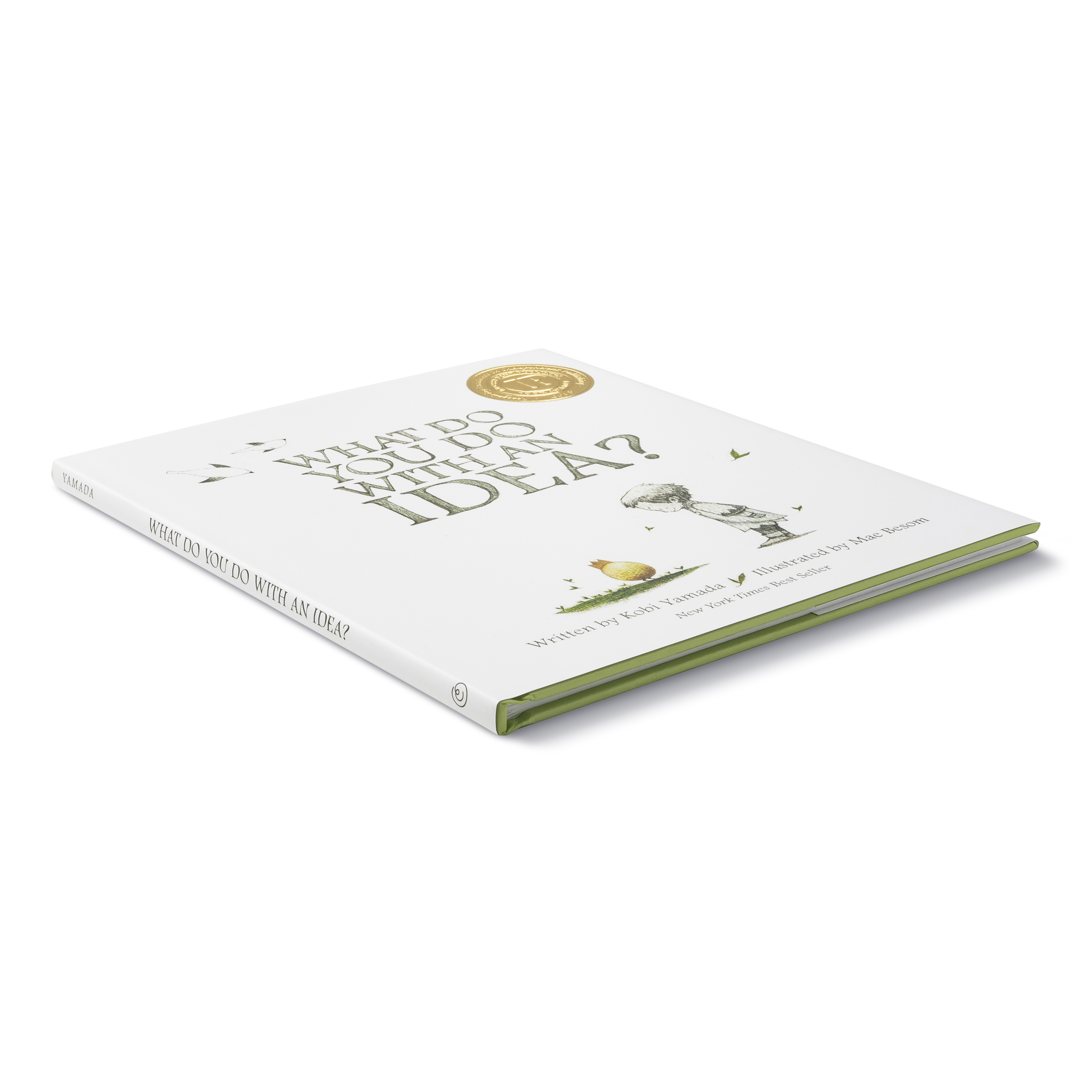
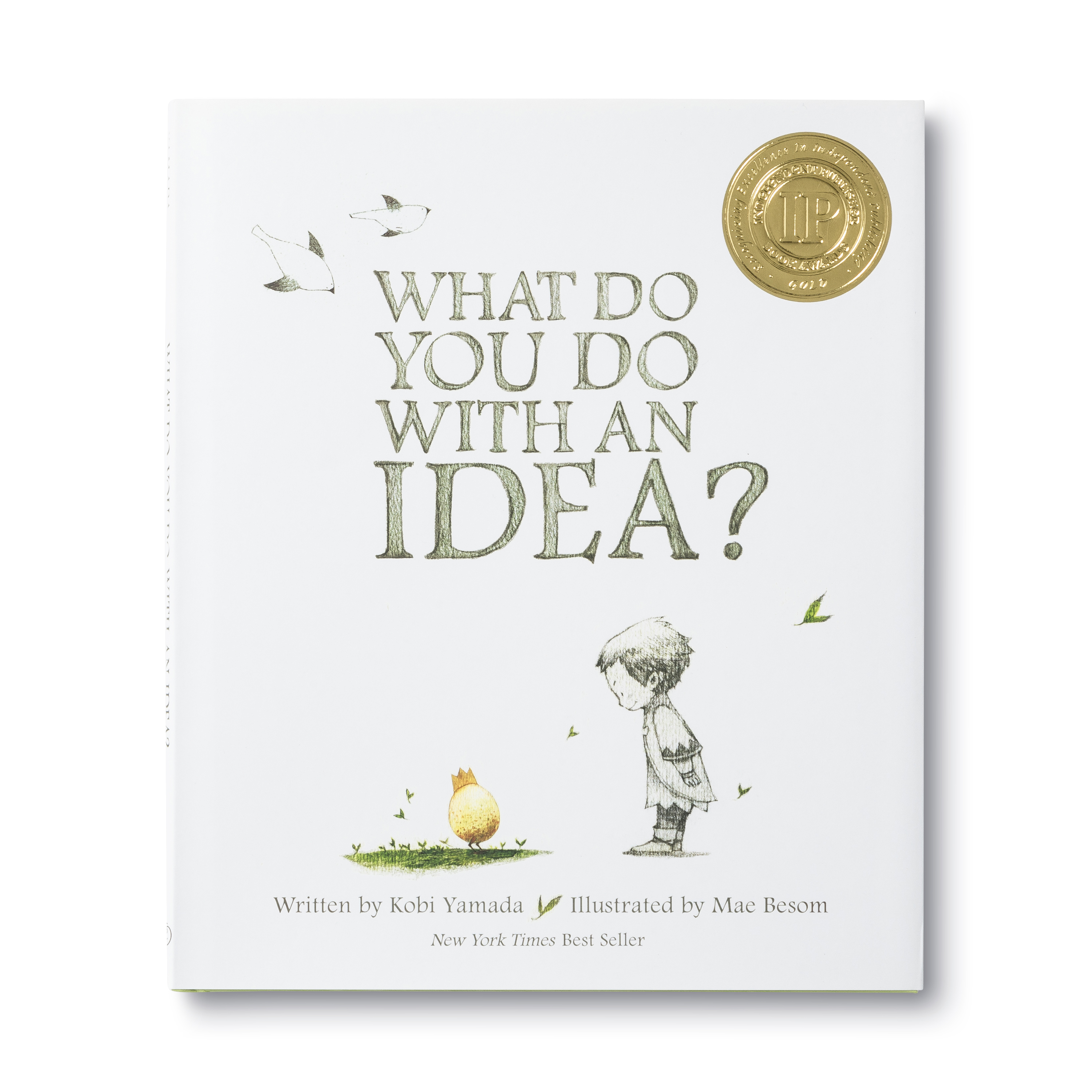
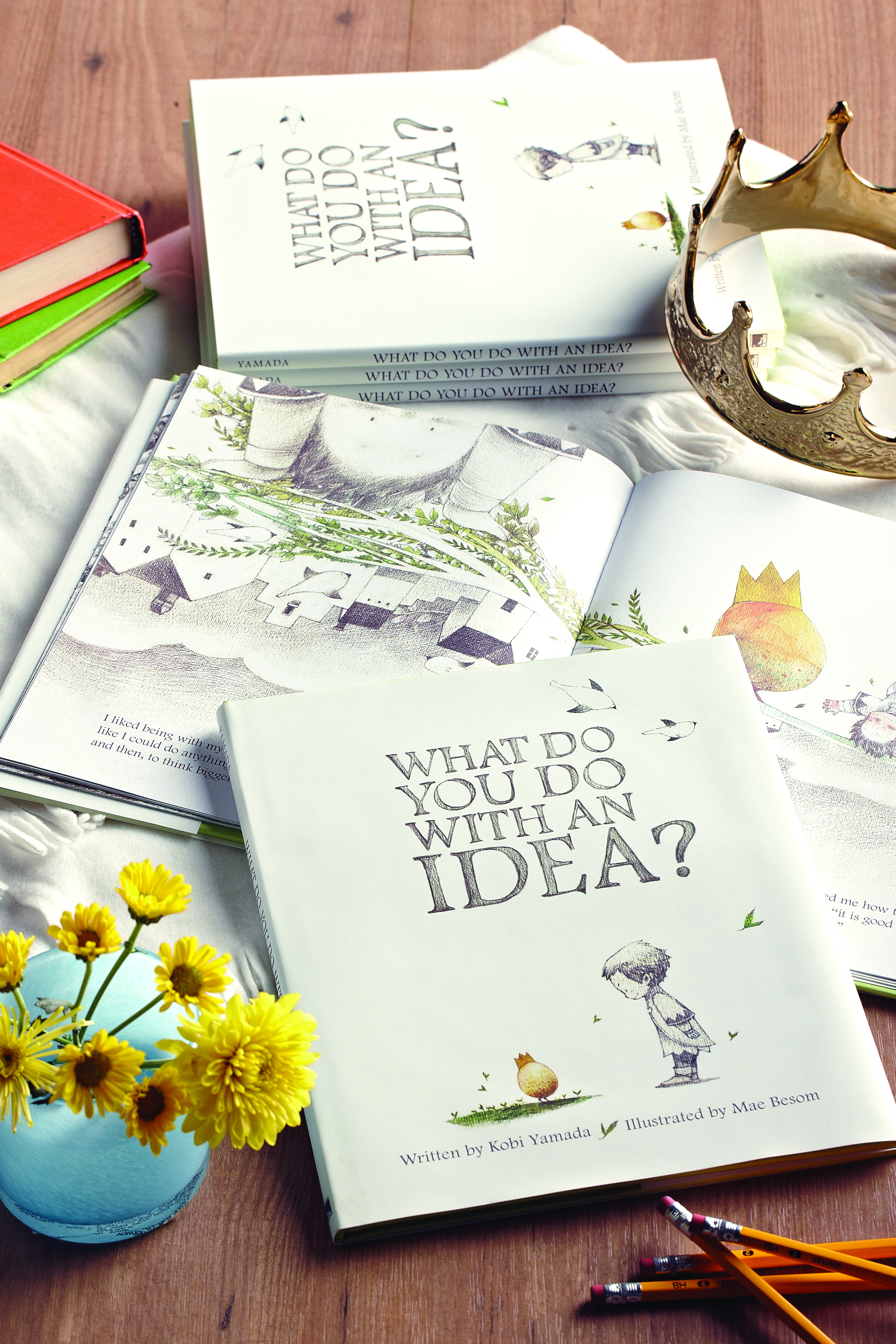
What Do You Do With an Idea?

Illustrated by Mae Besom
Hardcover
$17.95 US
9.19"W x 10.81"H x 0.39"D   | 15 oz | 32 per carton
On sale Jan 01, 2014 | 44 Pages | 9781938298073
Age 7 and up | Grade 2 & Up

In this #1 New York Times bestselling picture book, a child discovers how nurturing a bright new idea can transform fear and uncertainty into confidence and exciting possibility.

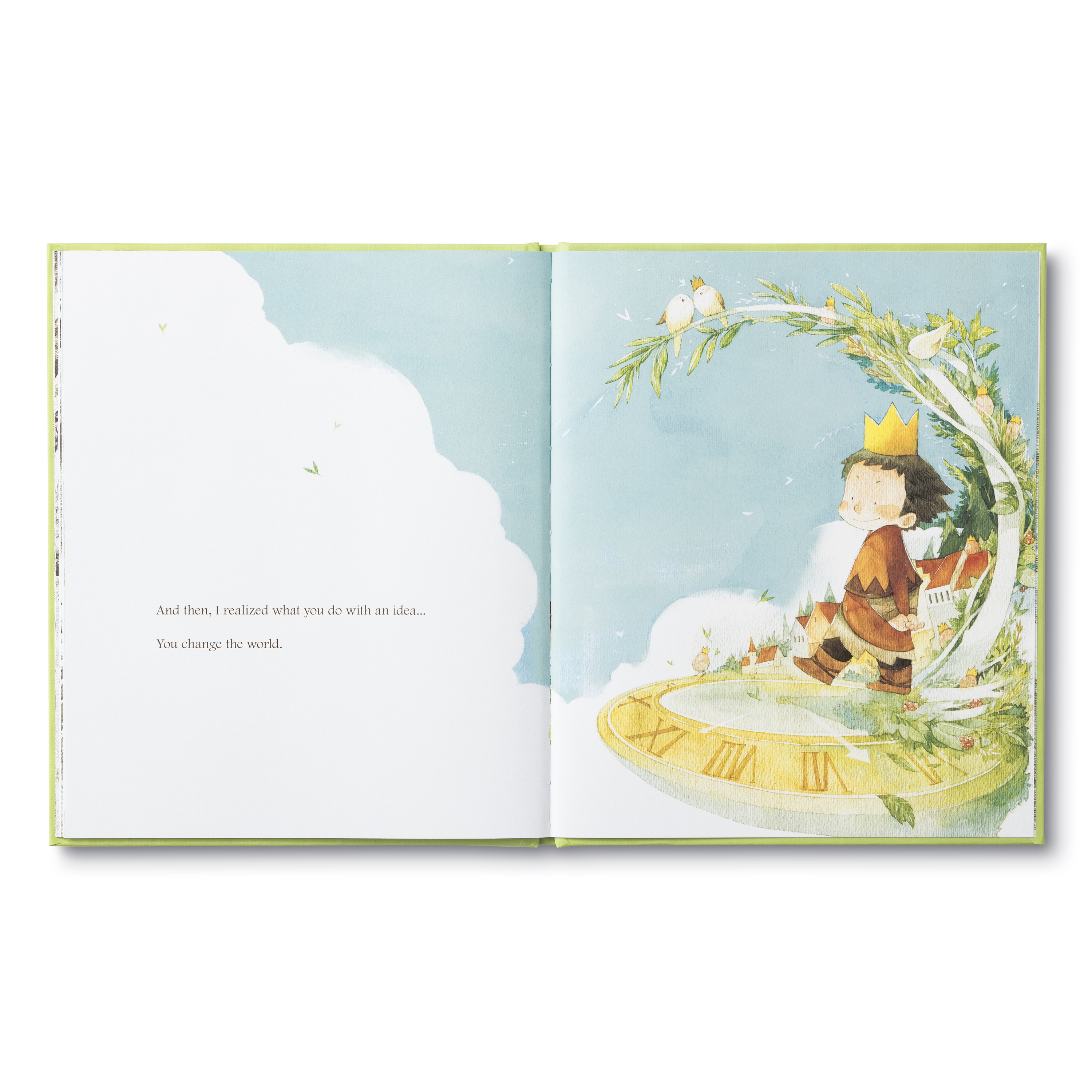
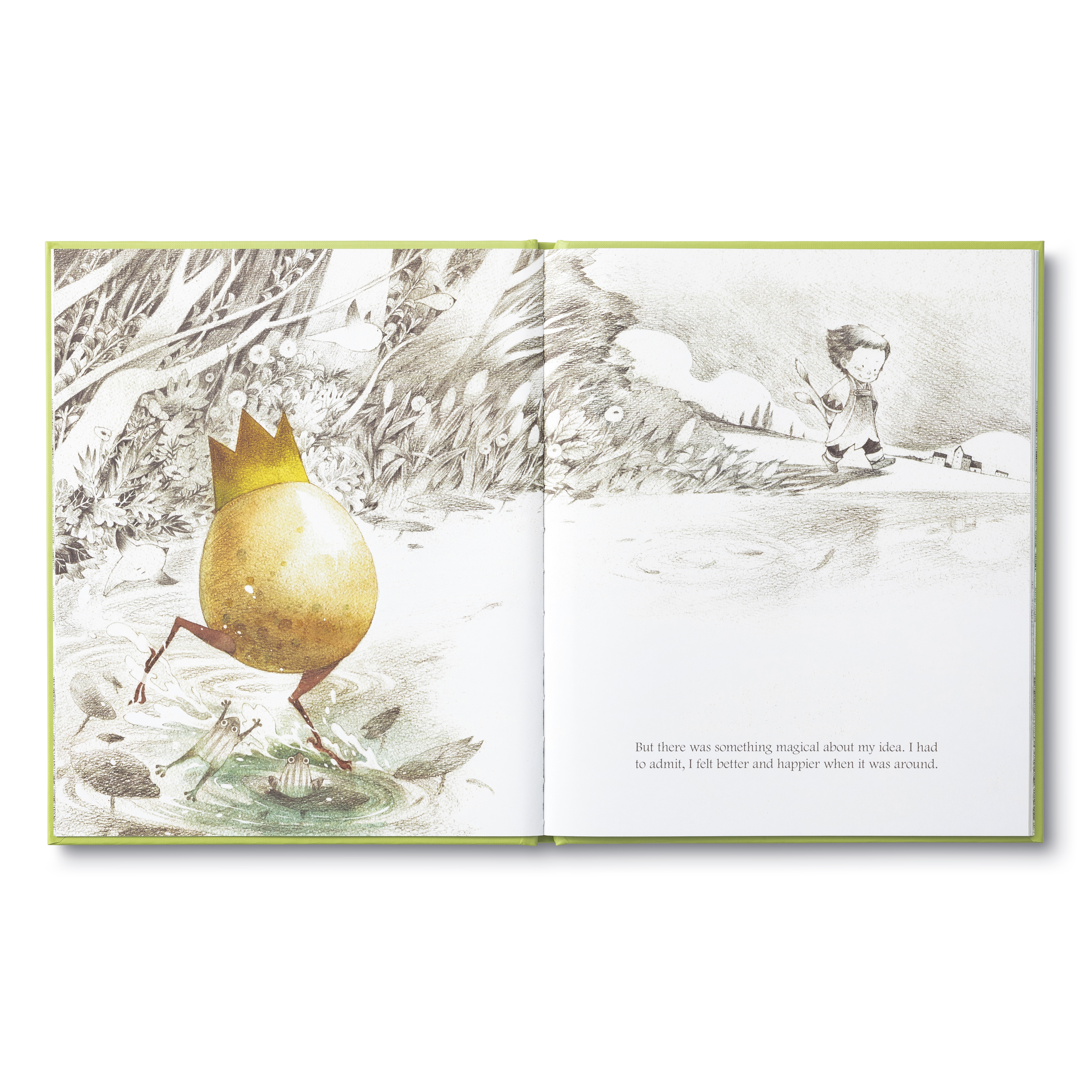
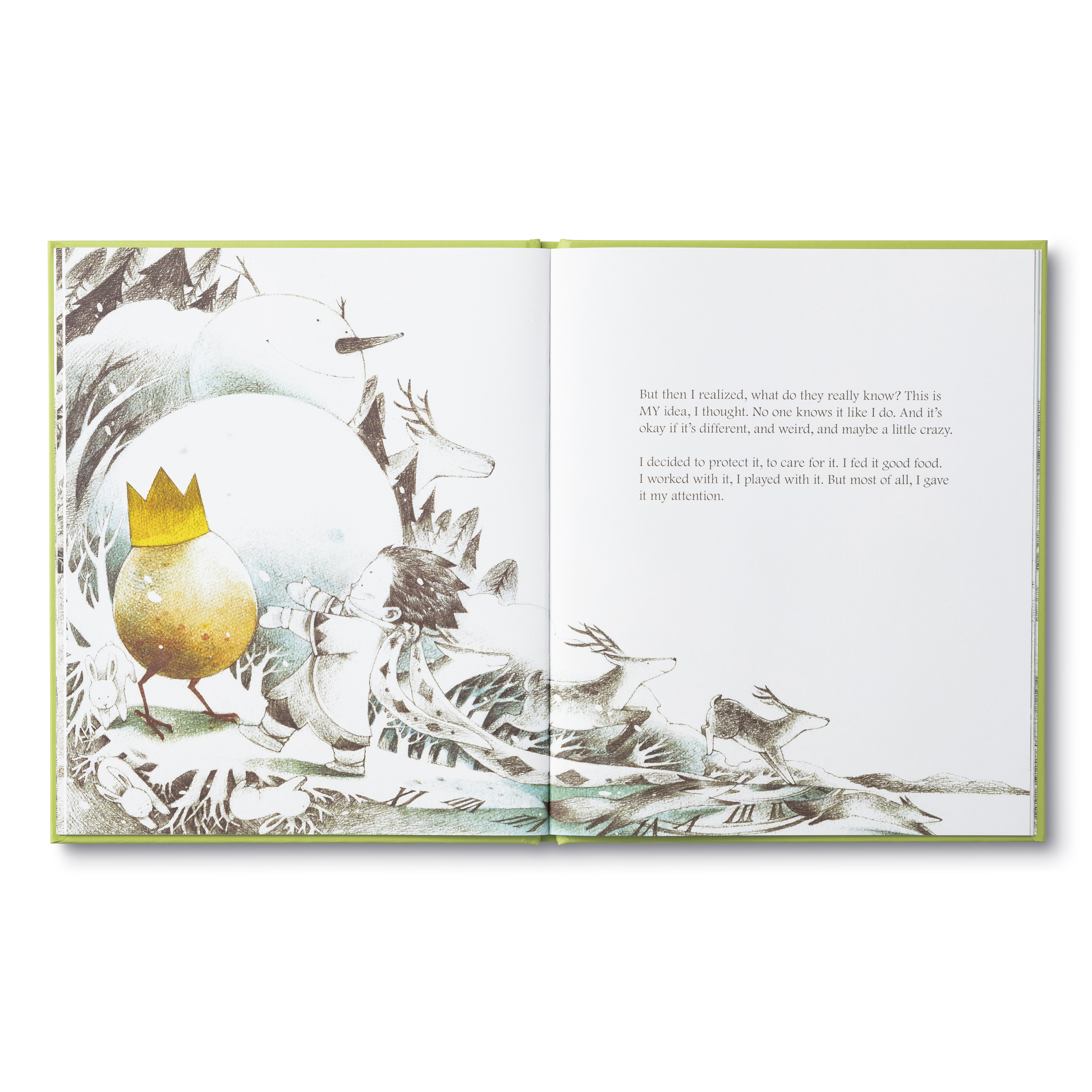
What do you do with an idea—especially one that’s different, daring, or a little wild? This is the story of a brilliant idea and the child who helps bring it into the world. It’s a story for anyone, at any age, who has ever had an idea that felt too big, too unusual, or too difficult. It encourages readers to welcome their ideas, give them space to grow, and see what’s possible.

Beloved by educators, entrepreneurs, and families alike, What Do You Do With an Idea? has become an iconic conversation starter about creativity, courage, and discovery. It inspires readers of all ages to honor their ideas—and to recognize that even the smallest spark can grow into something extraordinary.

The book has received numerous awards, including the Independent Publisher Book Gold Award, the Washington State Book Award, and the Moonbeam Children’s Book Award. In addition to The New York Times, it has appeared on the bestseller lists of Publishers Weekly, The Wall Street Journal, and USA Today, and was featured on Today with Hoda and Jenna.
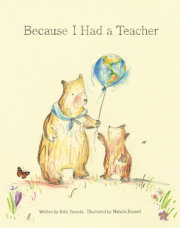
Kobi Yamada is the #1 New York Times bestselling author of What Do You Do with an Idea?Finding Muchness, Because I Had a Teacher, and many other bestselling, award-winning books. In addition to being the creator of inspiring books and products, he is also the president of Compendium. He lives with his family in the Pacific Northwest. View titles by Kobi Yamada

Classroom Activities for What Do You Do With an Idea?

Classroom activities supplement discussion and traditional lessons with group projects and creative tasks. Can be used in pre-existing units and lessons, or as stand-alone.

(Please note: the guide displayed here is the most recently uploaded version; while unlikely, any page citation discrepancies between the guide and book is likely due to pagination differences between a book’s different formats.)

About

In this #1 New York Times bestselling picture book, a child discovers how nurturing a bright new idea can transform fear and uncertainty into confidence and exciting possibility.

What do you do with an idea—especially one that’s different, daring, or a little wild? This is the story of a brilliant idea and the child who helps bring it into the world. It’s a story for anyone, at any age, who has ever had an idea that felt too big, too unusual, or too difficult. It encourages readers to welcome their ideas, give them space to grow, and see what’s possible.

Beloved by educators, entrepreneurs, and families alike, What Do You Do With an Idea? has become an iconic conversation starter about creativity, courage, and discovery. It inspires readers of all ages to honor their ideas—and to recognize that even the smallest spark can grow into something extraordinary.

The book has received numerous awards, including the Independent Publisher Book Gold Award, the Washington State Book Award, and the Moonbeam Children’s Book Award. In addition to The New York Times, it has appeared on the bestseller lists of Publishers Weekly, The Wall Street Journal, and USA Today, and was featured on Today with Hoda and Jenna.

Author

Kobi Yamada is the #1 New York Times bestselling author of What Do You Do with an Idea?Finding Muchness, Because I Had a Teacher, and many other bestselling, award-winning books. In addition to being the creator of inspiring books and products, he is also the president of Compendium. He lives with his family in the Pacific Northwest. View titles by Kobi Yamada

Additional Materials

Classroom Activities for What Do You Do With an Idea?

Classroom activities supplement discussion and traditional lessons with group projects and creative tasks. Can be used in pre-existing units and lessons, or as stand-alone.

(Please note: the guide displayed here is the most recently uploaded version; while unlikely, any page citation discrepancies between the guide and book is likely due to pagination differences between a book’s different formats.)