Close Modal

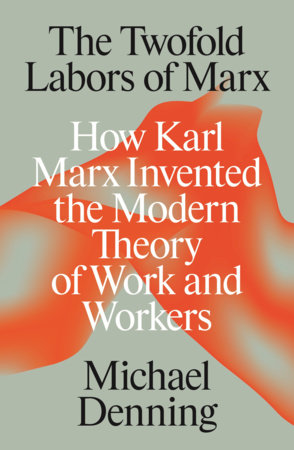
The Twofold Labors of Marx

How Karl Marx Invented the Modern Theory of Work and Workers

Paperback
$31.95 US
6"W x 9-1/5"H | 13 oz | 24 per carton
On sale Jan 05, 2027 | 256 Pages | 9781836744818

Marx was the Darwin of labor, founding the modern critical theory of work: the first full reconstruction and elaboration of Marx's theory.

It is often said that Marx was right about capital, but wrong about labor. The Twofold Labors of Marx challenges that verdict by turning Capital on its head, reconstructing and elaborating its critical theory of labor. Placing Marx's own labors amidst the crisis of artisanal labor, the emerging factory system, and the revolutionary overthrow of enslaved and enserfed labor, as well as the remaking of the sciences and philosophies of work, it explores Marx's account of the metabolism and metamorphosis of labor, follows the circuit of labor as well as the circuit of capital, and argues that the “mystery of wages” is as central as the “fetishism of commodities,” the theory of “surplus population” and "labor movement" as the theory of “surplus value” and the movements of capital. Rejecting any metaphysics or fetish of labor, Marx's twofold labors remain central to any politics of emancipation.
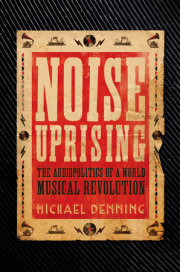
Michael Denning is a leading Marxist scholar in cultural studies, labor studies, and American Studies (awarded Bode-Pearson prize for lifetime achievement by the American Studies Association); William R. Kenan, Jr., Professor of American Studies and of Ethnicity, Race and Migration at Yale University; coordinator of the Yale Working Group on Globalization and Culture, a pioneering research collective that has appeared in venues from the World Social Forum and Occupy encampments to the Left Forum, the Marxist Education Project, and Historical Materialism conferences; active as public speaker in universities and on podcasts (The Dig, Conjuncture) and contributor to New Left Review; author of Noise Uprising: The Audiopolitics of a World Musical Revolution, Culture in the Age of Three Worlds, and The Cultural Front.
Preface
Introduction Marx’s Immense Step: The Twofold Character of Labor
1 The Twofold Character of Labor in General: Metabolism and Metamorphosis
2 The Twofold Character of the Situation of the Laborer: The Circuit of Labor under Capitalism
The First Moment of the Circuit of Labor: Means of Life Buy Labor-Power
The Second Moment of the Circuit of Labor: Means of Production Employ Living Labor
3 The Twofold Character of the Accumulation of Laborers
The Accumulation of Laborers as the Composition of the Relative Surplus Population
The Accumulation of Laborers as the Combination of the Labor Movement
4 The Twofold Character of Associated Labor

About

Marx was the Darwin of labor, founding the modern critical theory of work: the first full reconstruction and elaboration of Marx's theory.

It is often said that Marx was right about capital, but wrong about labor. The Twofold Labors of Marx challenges that verdict by turning Capital on its head, reconstructing and elaborating its critical theory of labor. Placing Marx's own labors amidst the crisis of artisanal labor, the emerging factory system, and the revolutionary overthrow of enslaved and enserfed labor, as well as the remaking of the sciences and philosophies of work, it explores Marx's account of the metabolism and metamorphosis of labor, follows the circuit of labor as well as the circuit of capital, and argues that the “mystery of wages” is as central as the “fetishism of commodities,” the theory of “surplus population” and "labor movement" as the theory of “surplus value” and the movements of capital. Rejecting any metaphysics or fetish of labor, Marx's twofold labors remain central to any politics of emancipation.

Author

Michael Denning is a leading Marxist scholar in cultural studies, labor studies, and American Studies (awarded Bode-Pearson prize for lifetime achievement by the American Studies Association); William R. Kenan, Jr., Professor of American Studies and of Ethnicity, Race and Migration at Yale University; coordinator of the Yale Working Group on Globalization and Culture, a pioneering research collective that has appeared in venues from the World Social Forum and Occupy encampments to the Left Forum, the Marxist Education Project, and Historical Materialism conferences; active as public speaker in universities and on podcasts (The Dig, Conjuncture) and contributor to New Left Review; author of Noise Uprising: The Audiopolitics of a World Musical Revolution, Culture in the Age of Three Worlds, and The Cultural Front.

Table of Contents

Preface
Introduction Marx’s Immense Step: The Twofold Character of Labor
1 The Twofold Character of Labor in General: Metabolism and Metamorphosis
2 The Twofold Character of the Situation of the Laborer: The Circuit of Labor under Capitalism
The First Moment of the Circuit of Labor: Means of Life Buy Labor-Power
The Second Moment of the Circuit of Labor: Means of Production Employ Living Labor
3 The Twofold Character of the Accumulation of Laborers
The Accumulation of Laborers as the Composition of the Relative Surplus Population
The Accumulation of Laborers as the Combination of the Labor Movement
4 The Twofold Character of Associated Labor