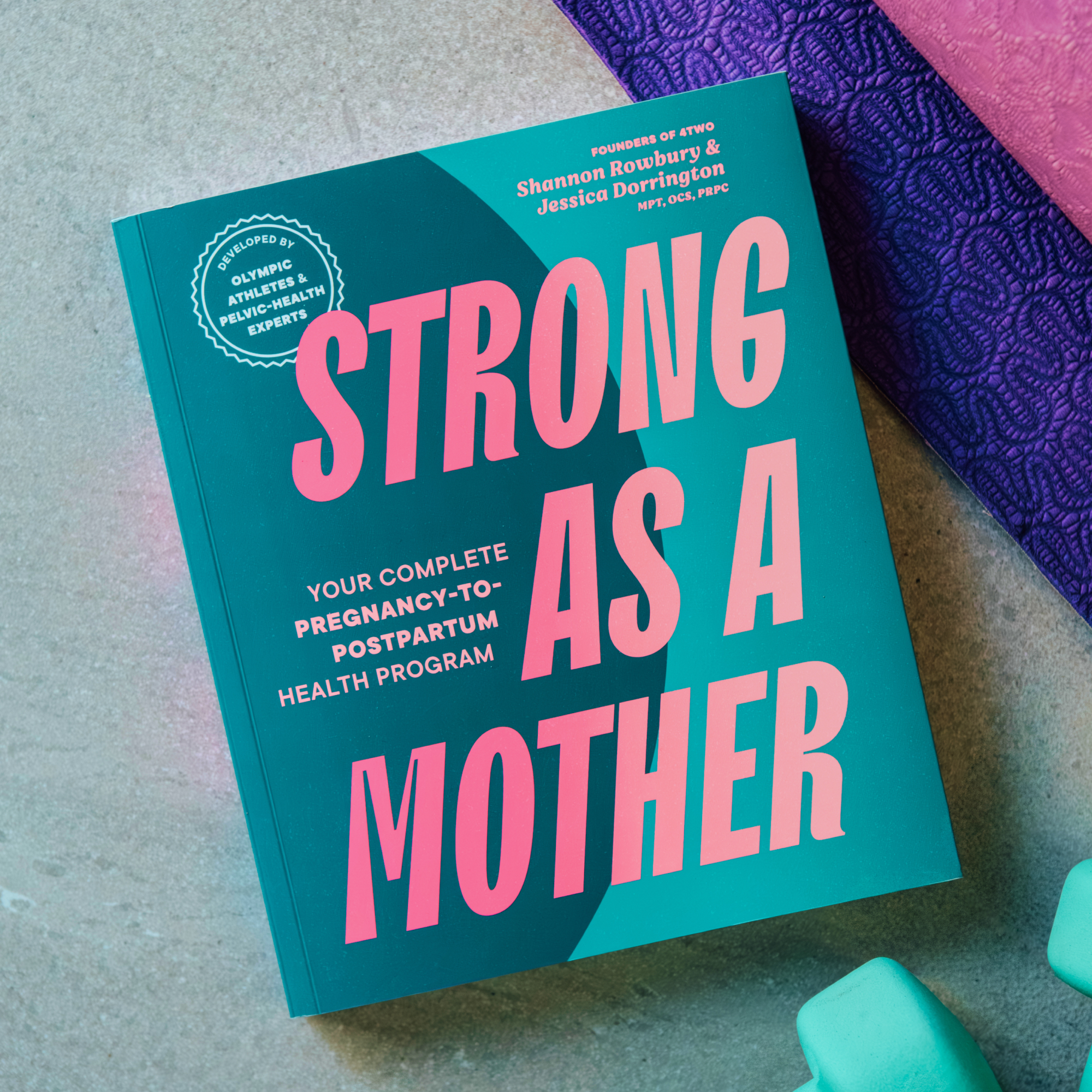
Not so long ago, the words “obstetrics,” “pregnancy,” and “athletics” were rarely uttered in the same breath. If you were to rewind to just a few decades ago, you'd find a medical landscape where pregnant women were routinely advised to drastically limit physical activity. The prevailing wisdom prioritized caution above all else, even if it meant months of inactivity.
The Problem with Playing It Safe Previous guidelines set by the American College of Obstetrics and Gynecology (ACOG) imposed strict parameters, such as:
● Limitations on heart rate during exercise
● Restrictions on starting new activities for previously inactive mothers
● Prohibitions on movements deemed too risky
While these guidelines were well-intentioned, their overly cautious nature left many women feeling uncertain and even fearful about staying active during pregnancy. Fortunately, the medical community has begun to recognize the tremendous benefits of exercise during pregnancy for both parent and baby. ACOG reviews its physical activity guidelines for pregnancy annually and continues to update its protocols. The organization now recommends that pregnant women engage in at least 150 minutes of moderate-intensity aerobic activity per week—it’s worth checking for updates each year. While pre-, peri-, and postpartum fitness remain relatively new fields in medicine, there have been noteworthy advancements in recent years.
The Power of Current Research Research shows that women who exercise during pregnancy experience remarkable benefits to their physical fitness. Compared to those who don’t exercise, women who exercise during pregnancy:
● Retain three times less weight
● Retain two times less fat
● Experience significant improvement in abdominal tone
● Return to prepregnancy activity levels twice as often
But exercise during pregnancy isn’t just about staying fit—it sets the stage for a healthier pregnancy, easier recovery, and a strong start to motherhood. Research consistently shows the health benefits that staying active during pregnancy provides for both mothers and their babies.
For mothers, it:
● Reduces the risk of gestational diabetes by 24–38 percent
● Enhances their ability to handle the physical demands of labor
● Lowers the likelihood of needing a cesarean delivery
● Improves psychological well-being and reduces the risk of depression during pregnancy as well as postpartum
● Promotes better postpartum recovery outcomes
● Eliminates or improves low back pain
● Improves muscular tone and posture
For babies, it:
● Improves placental growth, volume, and function
● Helps regulate the baby's weight
● Improves muscle tone
● Increases likelihood of a vaginal delivery for beneficial bacterial exposure
● May promote a shorter labor
● Improves the baby's position for birth
Unfortunately, many women are still advised to limit or avoid exercise due to outdated information or fear. It's time to challenge this narrative.
Breaking Free from Common Myths In this book, we'll challenge long-standing myths surrounding pregnancy, birth, and postpartum recovery. Some of these misconceptions have persisted for generations, affecting how women approach pregnancy and, in turn, what they can achieve. Here's a glimpse at some of the beliefs we'll examine:
Myth: You’ll get all the guidance you need by listening to your bodyPregnancy changes everything, including the way your body communicates. But what does it really mean to listen to your body when pregnancy alters your usual feedback systems? We'll explore this complex relationship and provide clear guidance.
Myth: Incontinence is just part of motherhood“Get used to leaking—it's just what happens after having babies.” How many times have you heard this? While incontinence is incredibly common, should we really accept it as inevitable? We'll take a deep dive into what's happening with your pelvic floor and what you can do about it.
Myth: There's a right way to give birthThe pressure to have a certain type of birth experience can be overwhelming. But what if the debate between unmedicated and medicated birth is missing the mark? We'll help you understand the full range of birth choices available to you.
Myth: You should return to exercise postpartum when you feel readyThis vague advice leaves many women wondering what “ready” actually feels like. How do you know if you're doing too much or too little? We'll provide the framework you've been missing.
Myth: You need to get your body backThe pressure to bounce back after pregnancy is everywhere. But what if the whole concept is flawed? We'll introduce a different way of thinking about your postpartum body.
Myth: Core work should wait until you’re postpartum“Don't work your core during pregnancy.”
“Avoid all ab work.”
Sound familiar? The truth about core training during pregnancy might surprise you.
Myth: Strengthening your pelvic floor will make you susceptible to a C-sectionPelvic floor changes facilitate vaginal delivery, and the pelvic floor faces high demands during pregnancy. We’ll explore how to keep your pelvic floor strong and flexible for birth.
Myth: Pregnancy limits athletic potentialCan you maintain your strength during pregnancy? Should you? The latest research challenges traditional thinking and reveals some unexpected insights about exercise during pregnancy.
Myths like these have influenced pregnancy and postpartum guidance for decades, but new research and evolving understanding are revolutionizing how we view pregnancy fitness. Throughout this book, we'll examine these beliefs in detail and provide you with evidence-based information to help you make your own informed decisions.
A New Understanding of Pregnancy Wellness This book isn't just another pregnancy guide—it's a paradigm shift. While many resources focus on your baby's development, we aim to help you understand the changes happening in
your body. This includes learning safe exercise parameters, maintaining core strength, and preventing common issues such as leakage.
Here's what makes our approach different:
●
Tailored Guidance: We recognize that every pregnancy is unique, and our advice adapts to your changing needs throughout each trimester. (However, keep in mind that it’s not meant to replace your physician’s guidance.)
●
Empowerment Through Knowledge: By understanding the reasons behind our recommendations, you’ll feel confident in your choices.
●
Focus on Strength: We’ll show you how to build and maintain strength safely during your pregnancy instead of viewing it as a time of limitation.
●
Preparation for Motherhood: Our approach extends beyond pregnancy to set you up for a stronger postpartum recovery.
●
Expert Perspectives: You’ll benefit from the combined insights of elite athletics and clinical combined orthopedic and pelvic health experts—a unique blend you won't find elsewhere.
Redefining Pregnancy Fitness It's time to rethink pregnancy fitness. Gone are the days of vague warnings or unnecessary restrictions. You and your pregnancy journey deserve better than one-size-fits-all advice or outdated limitations. With accurate information and proper guidance, you can embrace an active pregnancy that prepares you for the demands of childbirth and lays the foundation for a confident transition into motherhood.
In the chapters ahead, we'll guide you through each trimester with clear, evidence-based recommendations tailored to your changing body. You'll learn how to work with your body's natural wisdom and build the strength you need for childbirth and beyond. Whether you're an experienced athlete or just beginning your fitness journey, this book will provide the framework to help you thrive during pregnancy.
Remember that your pregnant body isn't fragile—it's powerful and capable of remarkable adaptations. By understanding these changes and learning how to support them, you can approach your pregnancy with confidence instead of caution. Let's empower you with the right knowledge and tools and discover what your body can do.
Copyright © 2026 by Shannon Rowbury and Jessica Dorrington. All rights reserved. No part of this excerpt may be reproduced or reprinted without permission in writing from the publisher.