


Close Modal

How to Read Churches

A Crash Course in Ecclesiastical Architecture

Look inside
Paperback
$19.95 US
5.36"W x 6.5"H x 0.62"D   | 14 oz | 36 per carton
On sale Apr 12, 2011 | 256 Pages | 9780847835980

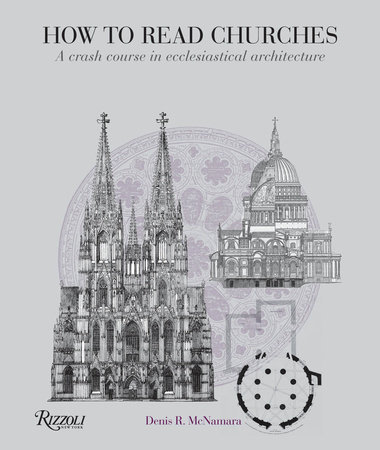
Small enough to fit in a pocket yet serious enough to provide real answers, this primer is a must-have for architecture and history buffs, tourists, and churchgoers interested in decoding the styles and symbols of religious buildings. Every building contains clues embedded in its design that identify not only its architectural style but also who designed it, what kind of congregation it was built for, and why. This practical yet charming handbook is the key to decoding the style, history, evolution, and social significance of religious buildings. Not strictly limited to churches, it also covers abbeys, chapels, and monasteries, among other structures. Organized according to architectural element (windows, domes, arches, etc.), each element is presented in chronological order. Additional chapters explore the architectural influence of geography, history, and various creeds, along with an illustrated timeline showing how, where, and in many cases why certain church features evolved through the centuries. There is also a useful introduction to naming each component of a church, from vaults to buttresses and transepts to apses. All entries are illustrated with period engravings and line drawings. This book will be invaluable for architecture buffs and anyone who has ever wondered why classic New England churches are white with little ornament, why Quaker meetinghouses have no altars, or why Episcopalians traditionally favored the Gothic style.
Denis McNamara is a former lecturer in architectural history at the University of Virginia and has written two books on Christian architecture. He is currently assistant director of the Liturgical Institute, University of St. Mary of the Lake, Mundelein, Illinois.

About

Small enough to fit in a pocket yet serious enough to provide real answers, this primer is a must-have for architecture and history buffs, tourists, and churchgoers interested in decoding the styles and symbols of religious buildings. Every building contains clues embedded in its design that identify not only its architectural style but also who designed it, what kind of congregation it was built for, and why. This practical yet charming handbook is the key to decoding the style, history, evolution, and social significance of religious buildings. Not strictly limited to churches, it also covers abbeys, chapels, and monasteries, among other structures. Organized according to architectural element (windows, domes, arches, etc.), each element is presented in chronological order. Additional chapters explore the architectural influence of geography, history, and various creeds, along with an illustrated timeline showing how, where, and in many cases why certain church features evolved through the centuries. There is also a useful introduction to naming each component of a church, from vaults to buttresses and transepts to apses. All entries are illustrated with period engravings and line drawings. This book will be invaluable for architecture buffs and anyone who has ever wondered why classic New England churches are white with little ornament, why Quaker meetinghouses have no altars, or why Episcopalians traditionally favored the Gothic style.

Author

Denis McNamara is a former lecturer in architectural history at the University of Virginia and has written two books on Christian architecture. He is currently assistant director of the Liturgical Institute, University of St. Mary of the Lake, Mundelein, Illinois.

Live Inspired with Compendium: Now Available from PRH!

Exciting news! Compendium has joined the Penguin Random House family, bringing a proven line of bestselling, sentiment-driven gifts to our extensive and ever-growing catalog. Since 1985, Compendium has been creating meaningful moments with beautiful, thoughtfully made gifts that center connection and celebrate occasions both big and small. From greeting cards to inspirational books to impulse-friendly add-ons, Compendium

Read more