Prologue
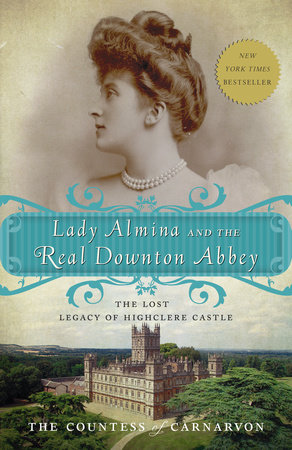
This is a book about an extraordinary woman called Almina Carnarvon, the family into which she married, the Castle that became her home, the people who worked there, and the transformation of the Castle when it became a hospital for wounded soldiers during the First World War.
It is not a history, although it is set against the exuberance of the Edwardian period, the sombre gravity of the Great War and the early years of recovery after the conflict.
It is neither a biography nor a work of fi ction, but places characters in historical settings, as identifi ed from letters, diaries, visitor books and household accounts written at the time.
Almina Carnarvon was an enormously wealthy heiress, the illegitimate daughter of Alfred de Rothschild. She was contracted in marriage to the 5th Earl of Carnarvon, a key player in Edwardian society in Britain. His interests were many and eclectic. He loved books and travel and pursued every opportunity to explore the technologies that were transforming his age. Most famously he discovered the tomb of Tutankhamun with Howard Carter.
Almina was an unbelievably generous woman in spirit and with her money. She was a guest at some of the greatest royal pageants, until—as it did for so many people—the First World War transformed her life, involving her in running hospitals instead of great house parties and showing her to be an adept nurse and skilled healer.
Highclere Castle is still home to the Earls of Carnarvon. Via its television alter ego, Downton Abbey, it is known to millions of people as the setting for a drama that has thrilled viewers in more than a hundred countries around the world.
Living here for the past twelve years, I have come to know the bones and stones of the Castle. My research has revealed some of the stories of the fascinating people who lived here, but there is so much more. My journey has just started.
The Countess of Carnarvon
Copyright © 2011 by The Countess of Carnarvon. All rights reserved. No part of this excerpt may be reproduced or reprinted without permission in writing from the publisher.