Close Modal

Mindful Cooking

Simple Recipes for Nurturing Body and Soul: A Plant-Based Cookbook

Look inside
Hardcover (Paper-over-Board, no jacket)
$38.00 US
7.76"W x 10.27"H x 0.83"D   | 36 oz | 12 per carton
On sale Oct 06, 2026 | 256 Pages | 9780593978269

additional book photo
Three-Michelin-starred chef Eric Ripert, the New York Times bestselling author of Vegetable Simple and Seafood Simple, brings together his two great passions as he explores how food can bring health, joy, mindfulness, and gratitude into our daily lives, with over 75 easy and delicious plant-based recipes.

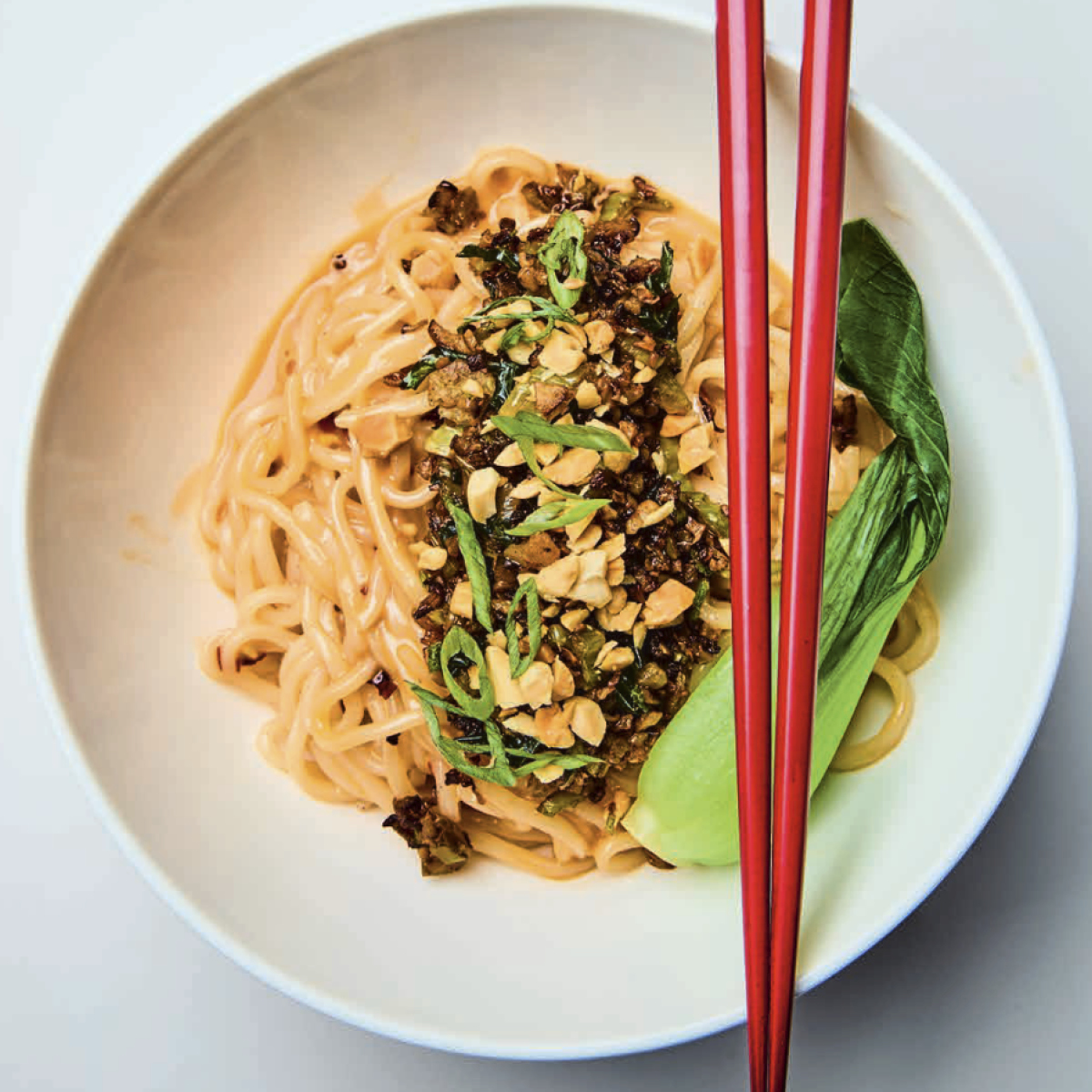
Showcasing delicious, vegetable-forward dishes—from vibrant salads like Radish & Turnip Carpaccio with Yuzu Kosho Vinaigrette to hearty mains like Dan Dan Noodles and Eggplant Schnitzel, from wholesome desserts like Avocado-Lime Tart to restorative juices and teas like Chrysanthemum, Chamomile & Verbena Infusion—Mindful Cooking invites us to reevaluate the way we think about cooking and eating. While traveling to Buddhist monasteries across Japan and Korea, Eric Ripert witnessed an entirely different relationship with food than he had ever seen before: one rooted in reverence, sustainability, and intention. He noticed that every seed planted, every ingredient prepared, and every meal shared was infused with care and purpose. The respect for nature and the understanding of food as nourishing both body and soul resonated deeply, inviting him to reevaluate the way he approached cooking and eating.

From that revelation came an eclectic collection of recipes, drawing from wide range of culinary inspiration, including the flavors Chef Ripert experienced on his travels in Asia and the French classics of his youth. And above all, each dish is designed to be easy, nutritious, and joyful to make—not to mention totally delectable. But Mindful Cooking is far more than just recipes; Chef Ripert urges us to deepen our connection to what we eat, embrace cooking as an act of love, and recognize that every meal is an opportunity to nourish more than just our bodies.
“The recipes here hopscotch across Asian, European, and Latin cultures, in chapters introduced by ‘guiding principles’ like gratitude, intention, and joy . . . Through it all, the boundlessly enthusiastic Ripert encourages home cooks to consider cooking itself as a meditative act and to enjoy the process of nourishing ourselves in both body and spirit.”—Saveur

“I highly recommend this gorgeous and inspirational book to anyone who wishes to cook and eat healthy, simple, yet elegant food.”—Lion’s Roar
© Nigel Parry
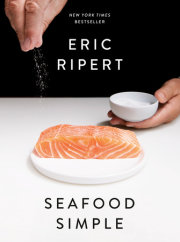
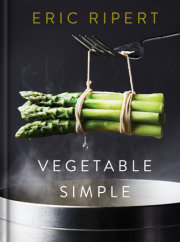
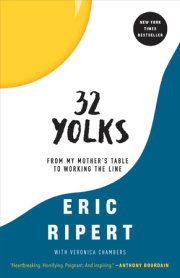
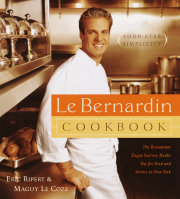
Eric Ripert is the chef and co-owner of New York's internationally acclaimed seafood restaurant Le Bernardin, which has held three stars from the Michelin Guide since 2005 and has maintained a four-star rating from The New York Times for over 20 years. He is Vice Chairman of the board at City Harvest, the world’s first and New York City’s largest food rescue organization dedicated to feeding New Yorkers in need, as well as a recipient of the Legion d’Honneur, France’s highest honor. He previously served as a regular guest judge on Bravo’s Top Chef and hosted his own TV series from 2009 to 2015, Avec Eric, which has won Emmy and James Beard awards. Ripert is the author of six cookbooks, including The New York Times bestsellers Seafood Simple and Vegetable Simple, as well as My Best: Eric Ripert, Avec Eric, On the Line, A Return to Cooking, and Le Bernardin: Four Star Simplicity, and a New York Times bestselling memoir, 32 Yolks: From My Mother’s Table to Working the Line. View titles by Eric Ripert
Introduction


Lately, I have found myself focusing not just on what we cook, but why we cook. As a chef, my forty-five-year career has been built around creating delicious food, but over time I have come to see that cooking is about much more than just what goes on the plate. It is a practice that nourishes not only our bodies but also our minds and spirits at every stage in the process, from preparing the food to eating it.

This book is an exploration of what food can unlock for us, about how it can bring health, joy, mindfulness, and gratitude into our daily lives. As I started to explore these ideas, I realized that this book has actually been resting quietly in the back of my mind for a long time, waiting for the right moment, and mindset, to bring it to life. The idea first took hold nearly a decade ago, during my travels through Korea and Japan, where I was introduced to Temple Food and the philosophies behind it. It was there that my journey toward mindful plant-based cooking began. It changed the way I think about cooking forever.


*


In 2014, on my first trip to Korea, I visited several Buddhist monasteries, where I was invited into the kitchens to watch meals being prepared with great care and attention. The nuns and monks I met spoke about food in a way I had never heard before. Every ingredient had a purpose. Every dish was created with mindfulness—the practice of being fully aware and present in the moment—and with gratitude. Seasonality was embraced, and nothing went to waste. I sat with them at long wooden tables, sometimes eating in silence, savoring each bite of a soup with vegetables and herbs or even just some simple rice.

While they were some of the most profound experiences of my life, I admit that at first, I didn’t fully grasp the concept and philosophy of what I now understand to be Temple Food. I was intrigued and impressed, but the message and intent behind the food and the meals were lost on me. Coming from the high energy of New York City, the monastery’s serene otherworldliness was a welcome change of pace. I was enchanted by the exotic gardens and the peace and quiet. I took joy in the details such as the handcrafted ceramic bowls and carved wooden utensils. The variety of ingredients, techniques, and flavors on display at each meal captivated me. I marveled at the understated beauty of fresh slices of lotus root set alongside delicate cups of tomato tea on long, intentionally bare wooden tables. I developed a very romanticized view of life within the walls and gardens, but I missed the point; I focused on the wrong things entirely. I had no real understanding of the significance of the role that food played in the fabric of the monastery and its mission of service until I returned home and started to research Temple Food further. And so it was then that what I had just experienced really fell into place for me. I began to see the universality of the core ideas behind Temple Food, and how easily those basic principles could be applied beyond those calm and peaceful walls, by anyone, in any kitchen.

One of my greatest teachers on this journey has been the Venerable Jeong Kwan, a Buddhist nun and master of Temple Food. She has no formal culinary training, yet her knowledge of ingredients and technique is extraordinary. As a chef, I know that at its most basic level, cooking is an act of love, an expression of generosity, a way to care for others. But Jeong Kwan educated me on these values much more deeply. Over the years, she and I have spent a lot of time together, both in Korea and in New York, where, in 2017, she cooked an incredibly special and memorable meal at Le Bernardin, introducing a new audience to Temple Food. News outlets wrote about her, magazines photographed her, and Netflix centered an entire episode of its very successful show Chef’s Table around her. Jeong Kwan became a media sensation yet never wavered from her calling to cook with mindfulness, gratitude, and love. And to this day, each time we meet or speak, I leave our conversations with a deeper appreciation for her and the philosophy behind her approach to cooking.

Over the last decade, I have returned to Korea multiple times, visiting additional monasteries, speaking with other temple chefs, and expanding my understanding of their philosophy. The more I learned, the more I realized that Temple Food was not just about cooking—it was about cultivating a way of life rooted in mindfulness, gratitude, and intentionality. The meals prepared at the monastery are not simply nourishing; they are filled with pure intentions, love, and compassion to ensure happiness and sustenance for a life of prayer, dedication, and service. They are infused with a deep respect for the planet and all living beings, informing the monks and nuns’ overall practice of good deeds that create a positive influence on their surroundings.

I learned that good-quality ingredients and skillful preparation are important, but the food itself is not meant to outshine the ultimate purpose of feeding your community, inside and out. I also learned about the ways that the monks and nuns see food as medicine, with the power to heal both body and spirit. Refraining from eating animal products is not seen as a dietary restriction, but rather a conscious practice of attentive enjoyment. These principles of nonviolence, harmony with nature, and the wish to avoid suffering greatly resonated with me.

On one visit, I was granted the privilege of sitting for Baru Gongyang—a ceremony that follows precise steps for serving, eating, plating, and cleaning after a meal. A set of nested wooden bowls are unwrapped slowly and placed in a specific order. When the food is served, participants recite chants of gratitude and intention. The meal is eaten slowly, without waste, and the bowls are cleaned with water and left to dry in the sun. It’s a practice in reverence, an approach to mealtime as a meditation where every bite is taken with a deep appreciation for the ingredients, the preparation, sustainability, and the interconnectedness of all things. Even though it’s a formal, ritualistic act, I believe the meaning and intention behind it can be incorporated into our daily eating habits in the Western world—something I intend to explore throughout this book.

Another defining moment in my journey occurred in the spring of 2024, during my visit to Jingwansa Temple, located just outside of Seoul. There, I had the honor of meeting the Venerable Gyeho Sunim, a Temple Food master who had been cooking plant-based, sustainable cuisine for more than fifty years. As we spoke, she shared her life’s work with me, explaining how she had dedicated herself to the preservation of Temple Food traditions, ensuring that each meal was prepared with deep respect for the land, the ingredients, and the people being fed. She spoke of the importance of cooking with a pure heart, of making every dish an offering, and of the role food plays in fostering good karma and a life of service.

After our conversation, she stood up, donned her apron, and prepared a meal for me—one of the most profound meals I have ever experienced, so much so that I included two of the dishes in this book: Salad Pancake on page 70 (a revelation!) and Seared Tofu with Chili Crisp on page 105. The food was simple yet filled with respect, intention, and a palpable sense of compassion. When we finished eating, she removed her apron, folded it with care, and handed it to me. In that moment, she told me she was retiring and that it was now my responsibility to help share the tradition of Temple Food with Western cultures. It was a deeply humbling and indelible moment. I promised her I would uphold that responsibility with gratitude, respect, and humility. That moment solidified my purpose and affirmed my readiness to realize this book.

Photos

additional book photo

About

Three-Michelin-starred chef Eric Ripert, the New York Times bestselling author of Vegetable Simple and Seafood Simple, brings together his two great passions as he explores how food can bring health, joy, mindfulness, and gratitude into our daily lives, with over 75 easy and delicious plant-based recipes.

Showcasing delicious, vegetable-forward dishes—from vibrant salads like Radish & Turnip Carpaccio with Yuzu Kosho Vinaigrette to hearty mains like Dan Dan Noodles and Eggplant Schnitzel, from wholesome desserts like Avocado-Lime Tart to restorative juices and teas like Chrysanthemum, Chamomile & Verbena Infusion—Mindful Cooking invites us to reevaluate the way we think about cooking and eating. While traveling to Buddhist monasteries across Japan and Korea, Eric Ripert witnessed an entirely different relationship with food than he had ever seen before: one rooted in reverence, sustainability, and intention. He noticed that every seed planted, every ingredient prepared, and every meal shared was infused with care and purpose. The respect for nature and the understanding of food as nourishing both body and soul resonated deeply, inviting him to reevaluate the way he approached cooking and eating.

From that revelation came an eclectic collection of recipes, drawing from wide range of culinary inspiration, including the flavors Chef Ripert experienced on his travels in Asia and the French classics of his youth. And above all, each dish is designed to be easy, nutritious, and joyful to make—not to mention totally delectable. But Mindful Cooking is far more than just recipes; Chef Ripert urges us to deepen our connection to what we eat, embrace cooking as an act of love, and recognize that every meal is an opportunity to nourish more than just our bodies.

Praise

“The recipes here hopscotch across Asian, European, and Latin cultures, in chapters introduced by ‘guiding principles’ like gratitude, intention, and joy . . . Through it all, the boundlessly enthusiastic Ripert encourages home cooks to consider cooking itself as a meditative act and to enjoy the process of nourishing ourselves in both body and spirit.”—Saveur

“I highly recommend this gorgeous and inspirational book to anyone who wishes to cook and eat healthy, simple, yet elegant food.”—Lion’s Roar

Author

© Nigel Parry
Eric Ripert is the chef and co-owner of New York's internationally acclaimed seafood restaurant Le Bernardin, which has held three stars from the Michelin Guide since 2005 and has maintained a four-star rating from The New York Times for over 20 years. He is Vice Chairman of the board at City Harvest, the world’s first and New York City’s largest food rescue organization dedicated to feeding New Yorkers in need, as well as a recipient of the Legion d’Honneur, France’s highest honor. He previously served as a regular guest judge on Bravo’s Top Chef and hosted his own TV series from 2009 to 2015, Avec Eric, which has won Emmy and James Beard awards. Ripert is the author of six cookbooks, including The New York Times bestsellers Seafood Simple and Vegetable Simple, as well as My Best: Eric Ripert, Avec Eric, On the Line, A Return to Cooking, and Le Bernardin: Four Star Simplicity, and a New York Times bestselling memoir, 32 Yolks: From My Mother’s Table to Working the Line. View titles by Eric Ripert

Excerpt

Introduction


Lately, I have found myself focusing not just on what we cook, but why we cook. As a chef, my forty-five-year career has been built around creating delicious food, but over time I have come to see that cooking is about much more than just what goes on the plate. It is a practice that nourishes not only our bodies but also our minds and spirits at every stage in the process, from preparing the food to eating it.

This book is an exploration of what food can unlock for us, about how it can bring health, joy, mindfulness, and gratitude into our daily lives. As I started to explore these ideas, I realized that this book has actually been resting quietly in the back of my mind for a long time, waiting for the right moment, and mindset, to bring it to life. The idea first took hold nearly a decade ago, during my travels through Korea and Japan, where I was introduced to Temple Food and the philosophies behind it. It was there that my journey toward mindful plant-based cooking began. It changed the way I think about cooking forever.


*


In 2014, on my first trip to Korea, I visited several Buddhist monasteries, where I was invited into the kitchens to watch meals being prepared with great care and attention. The nuns and monks I met spoke about food in a way I had never heard before. Every ingredient had a purpose. Every dish was created with mindfulness—the practice of being fully aware and present in the moment—and with gratitude. Seasonality was embraced, and nothing went to waste. I sat with them at long wooden tables, sometimes eating in silence, savoring each bite of a soup with vegetables and herbs or even just some simple rice.

While they were some of the most profound experiences of my life, I admit that at first, I didn’t fully grasp the concept and philosophy of what I now understand to be Temple Food. I was intrigued and impressed, but the message and intent behind the food and the meals were lost on me. Coming from the high energy of New York City, the monastery’s serene otherworldliness was a welcome change of pace. I was enchanted by the exotic gardens and the peace and quiet. I took joy in the details such as the handcrafted ceramic bowls and carved wooden utensils. The variety of ingredients, techniques, and flavors on display at each meal captivated me. I marveled at the understated beauty of fresh slices of lotus root set alongside delicate cups of tomato tea on long, intentionally bare wooden tables. I developed a very romanticized view of life within the walls and gardens, but I missed the point; I focused on the wrong things entirely. I had no real understanding of the significance of the role that food played in the fabric of the monastery and its mission of service until I returned home and started to research Temple Food further. And so it was then that what I had just experienced really fell into place for me. I began to see the universality of the core ideas behind Temple Food, and how easily those basic principles could be applied beyond those calm and peaceful walls, by anyone, in any kitchen.

One of my greatest teachers on this journey has been the Venerable Jeong Kwan, a Buddhist nun and master of Temple Food. She has no formal culinary training, yet her knowledge of ingredients and technique is extraordinary. As a chef, I know that at its most basic level, cooking is an act of love, an expression of generosity, a way to care for others. But Jeong Kwan educated me on these values much more deeply. Over the years, she and I have spent a lot of time together, both in Korea and in New York, where, in 2017, she cooked an incredibly special and memorable meal at Le Bernardin, introducing a new audience to Temple Food. News outlets wrote about her, magazines photographed her, and Netflix centered an entire episode of its very successful show Chef’s Table around her. Jeong Kwan became a media sensation yet never wavered from her calling to cook with mindfulness, gratitude, and love. And to this day, each time we meet or speak, I leave our conversations with a deeper appreciation for her and the philosophy behind her approach to cooking.

Over the last decade, I have returned to Korea multiple times, visiting additional monasteries, speaking with other temple chefs, and expanding my understanding of their philosophy. The more I learned, the more I realized that Temple Food was not just about cooking—it was about cultivating a way of life rooted in mindfulness, gratitude, and intentionality. The meals prepared at the monastery are not simply nourishing; they are filled with pure intentions, love, and compassion to ensure happiness and sustenance for a life of prayer, dedication, and service. They are infused with a deep respect for the planet and all living beings, informing the monks and nuns’ overall practice of good deeds that create a positive influence on their surroundings.

I learned that good-quality ingredients and skillful preparation are important, but the food itself is not meant to outshine the ultimate purpose of feeding your community, inside and out. I also learned about the ways that the monks and nuns see food as medicine, with the power to heal both body and spirit. Refraining from eating animal products is not seen as a dietary restriction, but rather a conscious practice of attentive enjoyment. These principles of nonviolence, harmony with nature, and the wish to avoid suffering greatly resonated with me.

On one visit, I was granted the privilege of sitting for Baru Gongyang—a ceremony that follows precise steps for serving, eating, plating, and cleaning after a meal. A set of nested wooden bowls are unwrapped slowly and placed in a specific order. When the food is served, participants recite chants of gratitude and intention. The meal is eaten slowly, without waste, and the bowls are cleaned with water and left to dry in the sun. It’s a practice in reverence, an approach to mealtime as a meditation where every bite is taken with a deep appreciation for the ingredients, the preparation, sustainability, and the interconnectedness of all things. Even though it’s a formal, ritualistic act, I believe the meaning and intention behind it can be incorporated into our daily eating habits in the Western world—something I intend to explore throughout this book.

Another defining moment in my journey occurred in the spring of 2024, during my visit to Jingwansa Temple, located just outside of Seoul. There, I had the honor of meeting the Venerable Gyeho Sunim, a Temple Food master who had been cooking plant-based, sustainable cuisine for more than fifty years. As we spoke, she shared her life’s work with me, explaining how she had dedicated herself to the preservation of Temple Food traditions, ensuring that each meal was prepared with deep respect for the land, the ingredients, and the people being fed. She spoke of the importance of cooking with a pure heart, of making every dish an offering, and of the role food plays in fostering good karma and a life of service.

After our conversation, she stood up, donned her apron, and prepared a meal for me—one of the most profound meals I have ever experienced, so much so that I included two of the dishes in this book: Salad Pancake on page 70 (a revelation!) and Seared Tofu with Chili Crisp on page 105. The food was simple yet filled with respect, intention, and a palpable sense of compassion. When we finished eating, she removed her apron, folded it with care, and handed it to me. In that moment, she told me she was retiring and that it was now my responsibility to help share the tradition of Temple Food with Western cultures. It was a deeply humbling and indelible moment. I promised her I would uphold that responsibility with gratitude, respect, and humility. That moment solidified my purpose and affirmed my readiness to realize this book.

Meet Gifted: Your Guide to the Holidays from PRH Retail

The busiest shopping season of the year is nearly here, and we’ve curated a winter catalog for retailers designed to make planning your holiday assortments that much easier. Gifted: A Winter Collection makes it simple to find what fits. Browse gifts by recipient, price point, or interest with collections inspired by some of the season’s

Read more