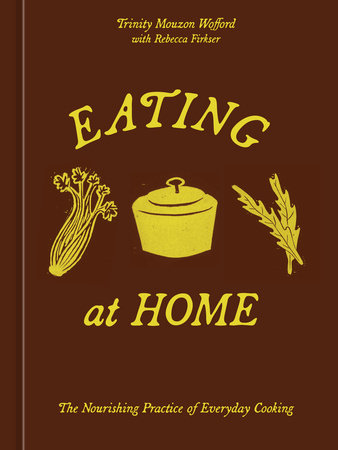
Introduction This is a book of my family’s meals. It will tell you all about our groceries, which cutting boards we like, and how to roast a chicken for dinner on a weeknight. The recipes that follow are some of my greatest treasures, and I believe they will change your cooking for the better. But I didn’t write this book to tell you how to make dinner. I wrote this book because of what everyday cooking really feeds us with: connection.
The last three years of writing this book have granted me the opportunity to reflect on how my family comes together for a meal. Most of our quality time revolves around food—hitting the local markets, tending to a pot of stock, or sitting around the table. Making a record of our rituals led me to a question I’d been circling: What makes from-scratch cooking worth the time and attention it asks of us?
When we enjoy food that’s been simply prepared with quality ingredients, we’re benefitting from a more nutritious meal than anything that comes in a package, no matter what the glossy labels might suggest. Cooking is also the quiet champion of household economics, often far more costeffective than dining out or relying on a rotation of prepared foods.
But as I’ve stacked the layers on my daughter’s berries-and-cream birthday cake, or paused for lunch in the face of a mind-withering to-do list, I’ve found that health and budget can’t quite summarize the source of my dedication.
In equal measure, this book is about our meals and our moments. Through the process of bringing this book to fruition, I’ve been writing, mothering, recipe testing, running our family business, and recipe testing again. Life has been gorgeously and overwhelmingly full. Through all of it, we’ve been sitting down at our table to eat.
My practice of home cooking began ten years ago, while my husband, Issey, and I were living in Brooklyn and had just started Golde, our natural wellness business. In the early days, we weren’t taking salaries and instead pulled forty dollars a week out of our checking account to cover our groceries. I quickly noticed that our dollars went furthest at the local farmers’ market. As seasons passed, I learned to look beyond the ephemeral strawberries to the hardworking root vegetables and greens that would form the foundation of our meals. I discovered that shiitake and oyster mushrooms could sub in for the richness of meat at a fraction of the cost.
Every Saturday morning, we lugged our Greenmarket haul from Union Square back to our apartment in Bed-Stuy. At home in our kitchen, we let the ingredients lead the way. September’s carrots were roasted with olive oil and salt and served with a three-ingredient yogurt and dill sauce. On the days I most deeply resented living in a fourth-floor walkup with absolutely no air-conditioning, July’s cucumbers and tomatoes were sliced and tossed with vinegar and cold buckwheat noodles for a soothing plate of relief. In the dead of winter, we pulled pickled red cabbage from the fridge and enjoyed it over rice. (Almost everything was over rice, partly due to Issey’s Japanese heritage, but also because there is no simpler and more cost-effective way to fill your belly.)
As I fell into the rhythms of eating at home, I found that this daily ritual did more than manage my shoestring budget. Cooking balanced my busy days with pause, something I so desperately needed in my entrepreneurial frenzy.
Many years have passed since those humble beginnings: Issey and I now live in a creaking old house in upstate New York with our two girls, about an hour from our shared hometown. The practice of eating well at home remains a constant. We make the majority of our food from scratch, largely with ingredients that we can trace back to a local producer. We sit down to eat at the table in the company of whoever is around, even if it’s a 10-minute jam-and-toast breakfast before the day begins.
A cooking practice asks that we trade in some of our efficiencies for attention—noticing where our food comes from, being present as we cook, and sitting down to truly pause for a meal. But like a tiny seed just watered in a garden, the yield is infinite in comparison to the efforts put in. A tiny shift now becomes a reclamation: of our time, our nourishment, and our sense of connection to the people we break bread with.
So much of our food culture today relies on hacks and tricks to get around the task of cooking and eating. Our mealtimes are hurried so that we can get on to the next thing. But a good practice isn’t centered on outcomes—with each vegetable we chop or pot we stir, we are humbly reminded of the merits of the present moment.
This book is organized to make a cooking practice delightfully possible. In chapter 1, we’ll learn how to bring better ingredients home without abandoning our budgets. Next, we’ll build a practice of Component Cooking, my answer to meal-prep that makes from-scratch food an everyday reality. The rest of the book walks you through our moments together at home by chapter, from weeknight-friendly dinners to Sunday morning’s sourdough pancakes. Each recipe is grounded in easy techniques and nourishing ingredients that will make home cooking a grounding rhythm in your daily life.
I believe the simple act of cooking and eating at home will help you be more present with yourself and in the shared moments with the people you love. Together, we’ll learn that good-quality, simple food is health food—and that the ingredients you cook with are as important as the gentleness you bring to the process.
We’re all strapped for time, and sometimes it feels like even the act of eating itself is conspiring against our heaving to-do lists. Short of committing to an all-liquid diet, I’d like to suggest a radical alternative: Make space for food. Let the shopping, cooking, and sitting at the table for mealtime be the restorative part of your day. Let eating at home be the thing that we’ve been missing—a willingness to enjoy the process will make it something to savor. The day will still be there when we put our forks down.
Copyright © 2026 by Trinity Mouzon Wofford with Rebecca Firkser. All rights reserved. No part of this excerpt may be reproduced or reprinted without permission in writing from the publisher.