For the Love of LayersI have always been fascinated by the truly infinite possibilities that can birth a space into existence, and especially by particular interpretations enacted by curious and creative minds. To me, the unsung heroes are those who throw away any suggested playbooks about how rooms should behave and personalize these spaces according to what
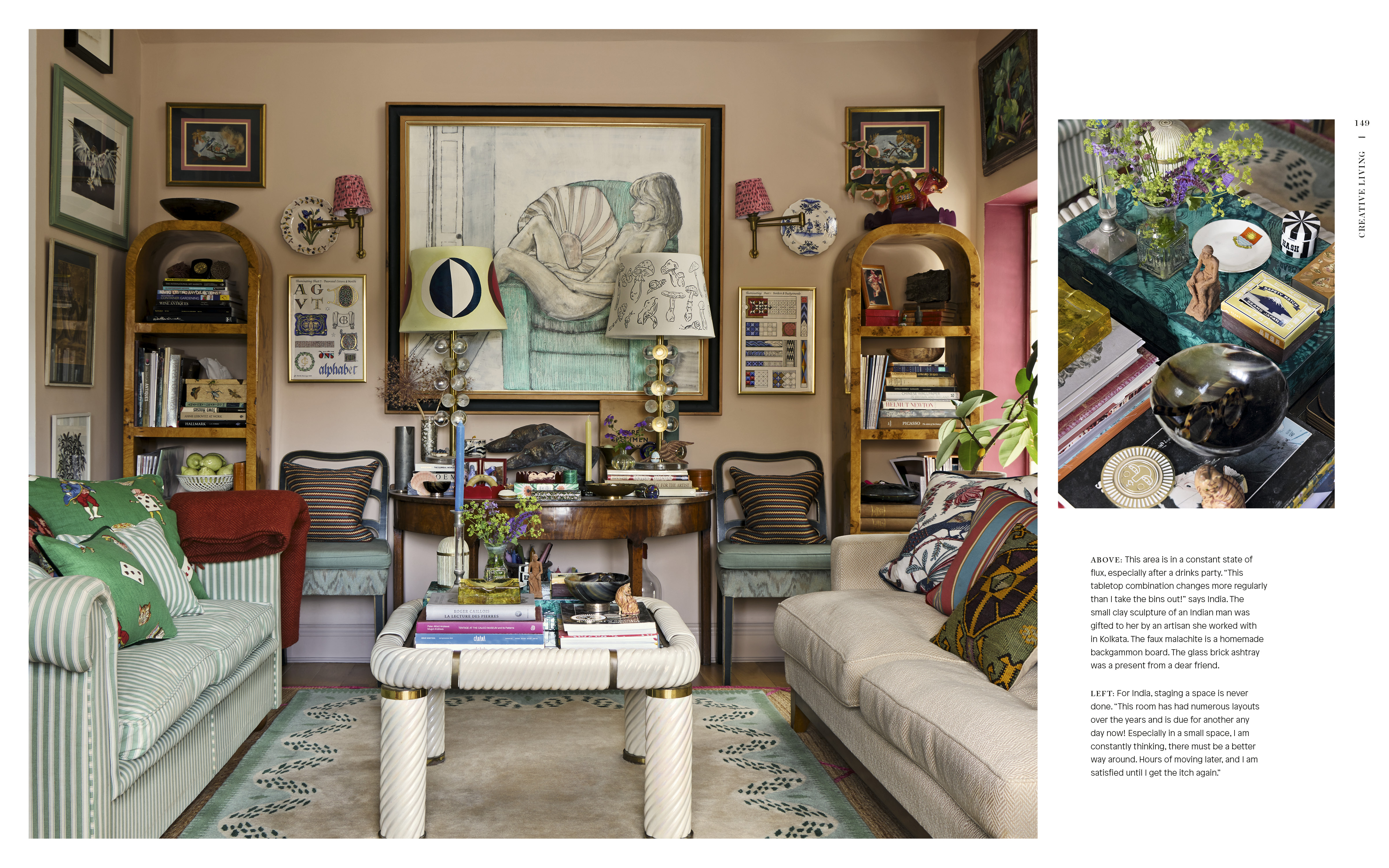
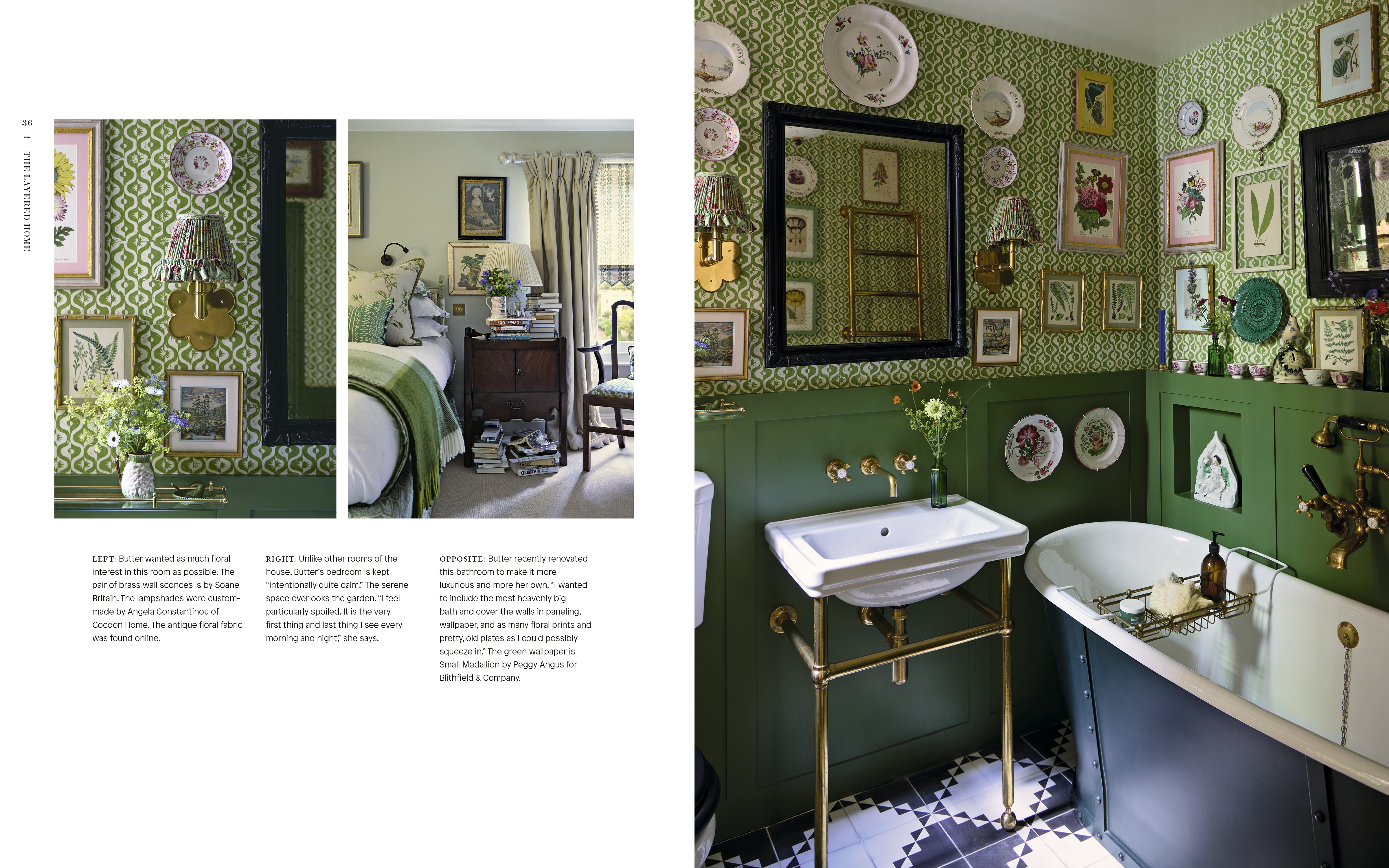
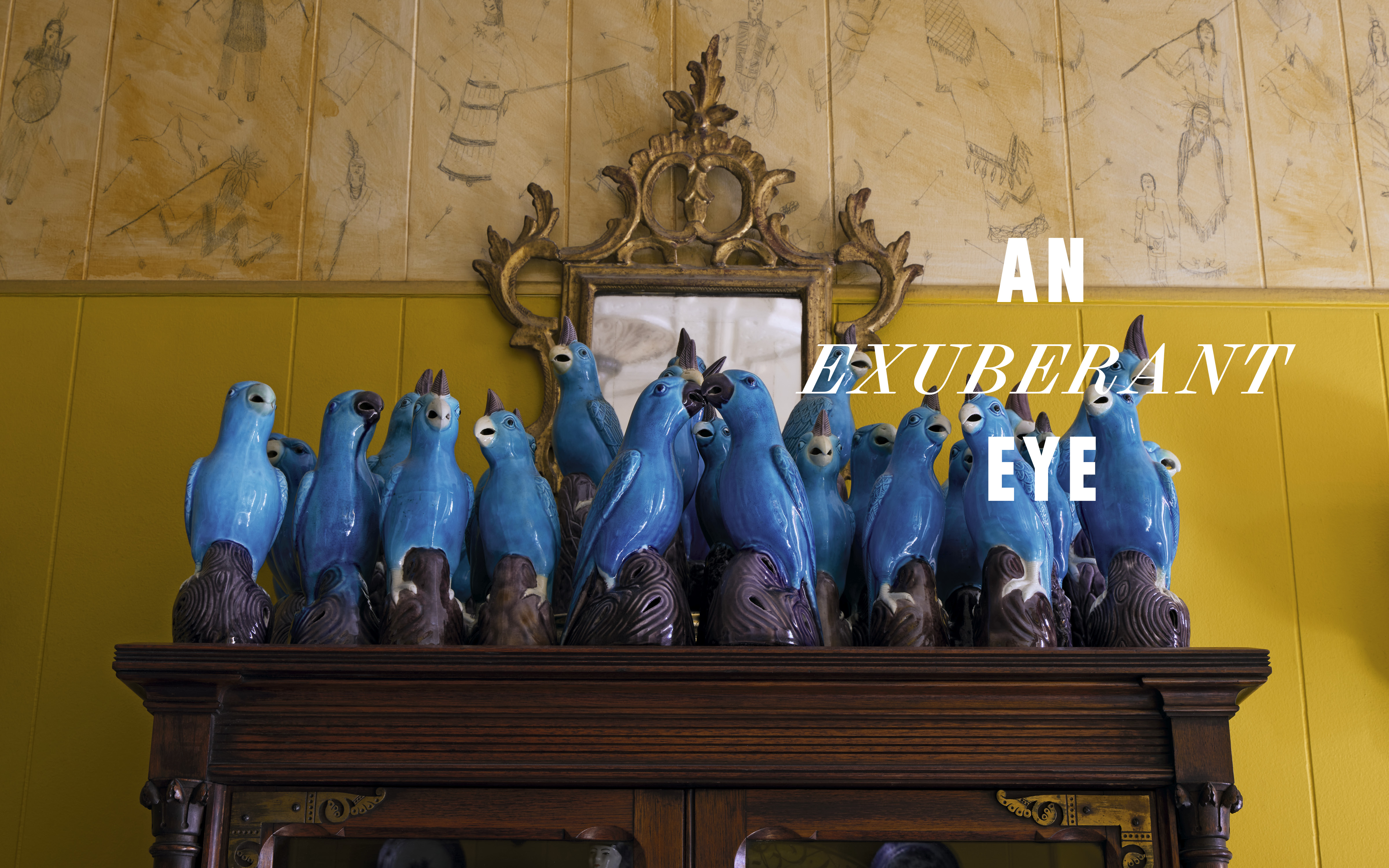
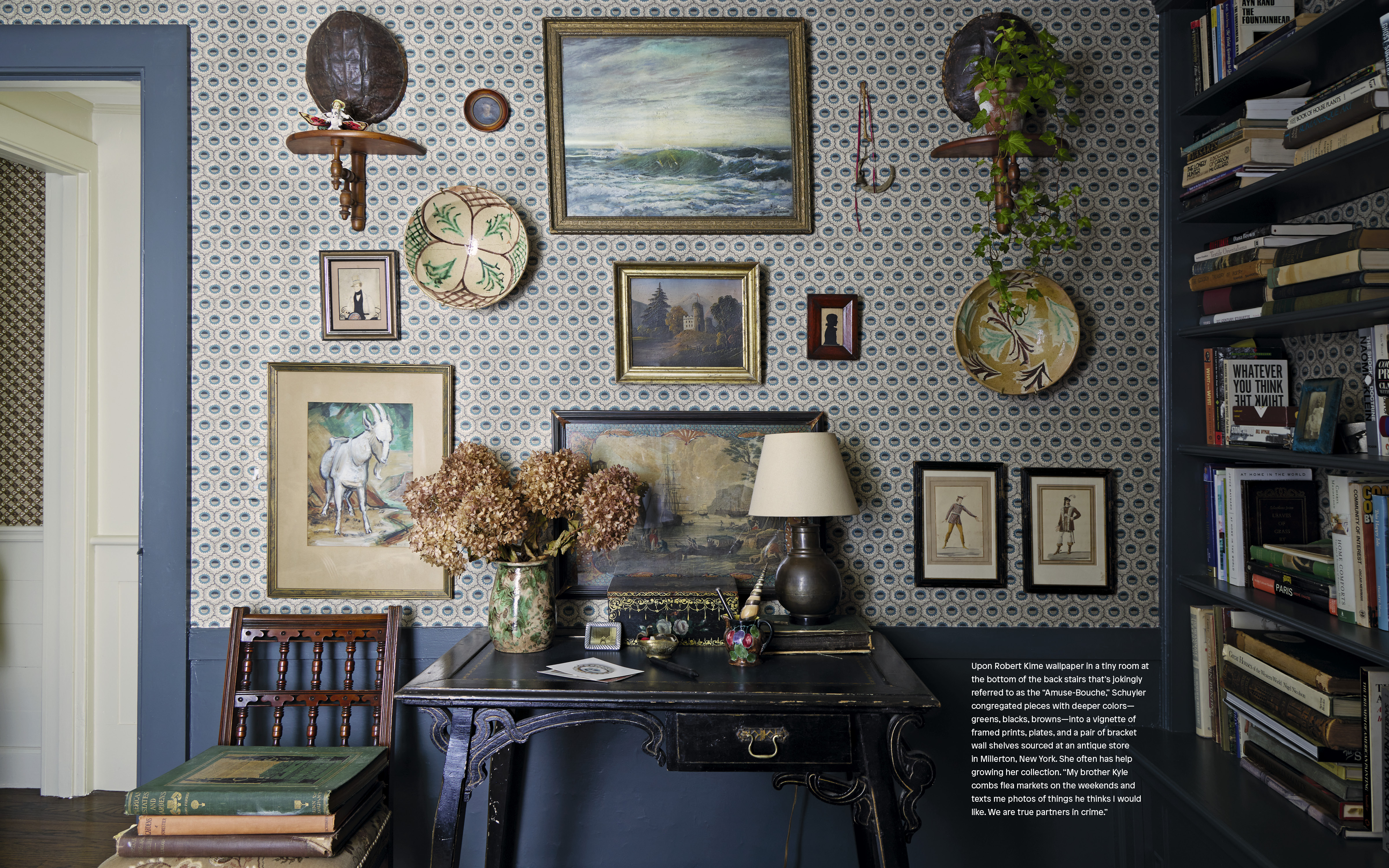
feels right. Sometimes, that means flashy colors or offbeat patterns will properly support the vision. Other times, it might be a spasm of art in historic frames, pre-loved furniture that was scooped up at the right place and time, or a mob of imperfectly perfect ceramic figurines that occupy prime real estate on a tabletop.
As a young boy, I sometimes found myself frozen with wonder when I entered certain rooms, particularly those displaying echelons of detail both high and low (the more surfaces the better). At the time, I didn’t know what this reverence meant, but I knew it was important. Almost sacred. As my career evolved, it dawned on me—the layered look is its own visual language, and one that invites an incredibly deep degree of comfort and individuality. Sure, design playbooks can be handy, especially for essential and practical purposes, but seeing how others combine pattern, form, texture, color, and personality is best learned through observation.
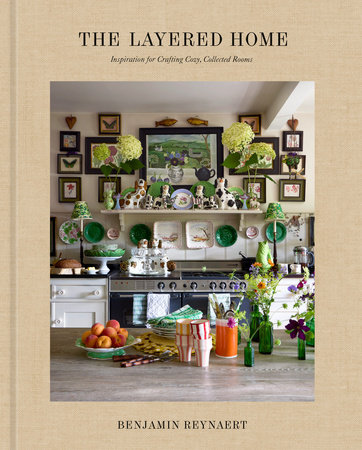
The intention of this book is to share favorite layered looks that have invited lots of questions and also more wonder.
The spaces featured in the pages that follow are beautifully composed and, most important, exhibit powerfully personal stories. Other similitudes inside of these homes include: a devotion to collections; sometimes many, assorted artifacts from time and travels; and zealous attention to tiny details that contribute to the collective character of a space.
In an age when trends pick up, take off, and die on social media in the span of a season, I believe in the idea of slowing down. These personal spaces are examples of dressing a room leisurely, with intention, and are ever mindful of the personality of a space, even if it’s unfinished. Indeed, I am perfectly fine with a room not being done for months or years if it means holding out for the right thing that will encourage unity, not confusion. Blank spaces are just opportunities for a surface to breathe, or simply to keep room for what’s meant to be there.
The places we call home, like our lives, contain multitudes. To this end, I often think about the Albert Hadley pointer that “A room should feel collected, not decorated.” If you choose one playbook rule, let this be your guide: Layers plus personalization is the combination that creates absolute spatial magic. Nothing else comes close. Do these collections and layers remain changeless? Absolutely not. In fact, the beauty of the layered home is that there’s a flexible impermanence to what enters, and exits, the arrangement. Knowing when to let go of things is just as important to preserving the special cohesion of a space.
From this band of experts and creatives who have welcomed me into their homes and lives, I have learned so much about the psychology and applications of collecting, arranging objects, and modifying rooms over time, and I know you will, too.
The door to the layered home is always open. Welcome!
Copyright © 2026 by Benjamin Reynaert. All rights reserved. No part of this excerpt may be reproduced or reprinted without permission in writing from the publisher.