IntroductionWhen I was a child, stamps felt like treasure—small, colorful windows into distant places and stories I had yet to discover. I wasn’t alone. For generations, Americans have tucked away stamps in albums, slipped them into desk drawers, and mounted them carefully behind glass. Whether torn from envelopes or bought fresh from the post office, stamps have sparked curiosity, pride, and a quiet joy.
What is it about these tiny works of art that speaks to us?
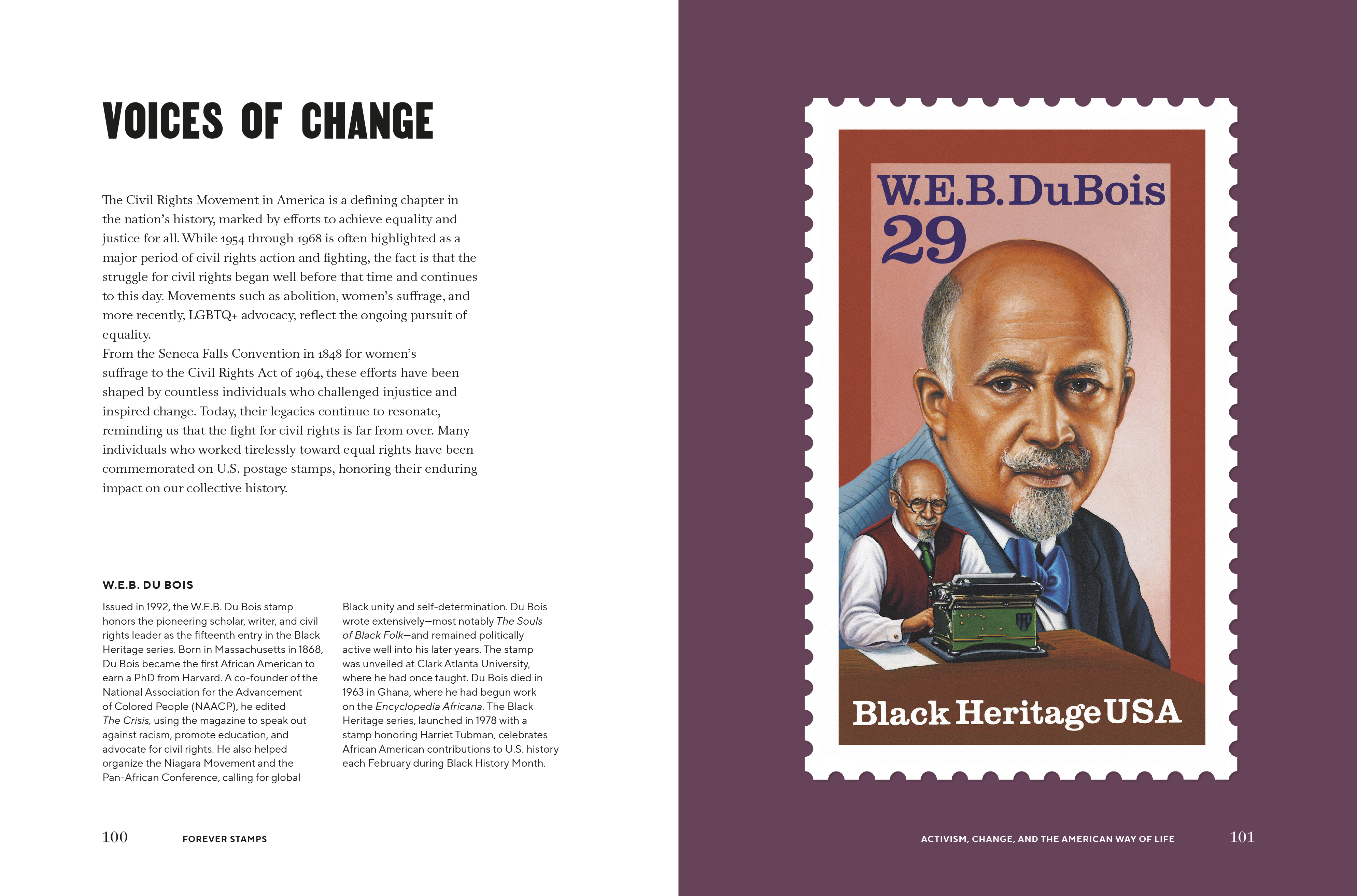
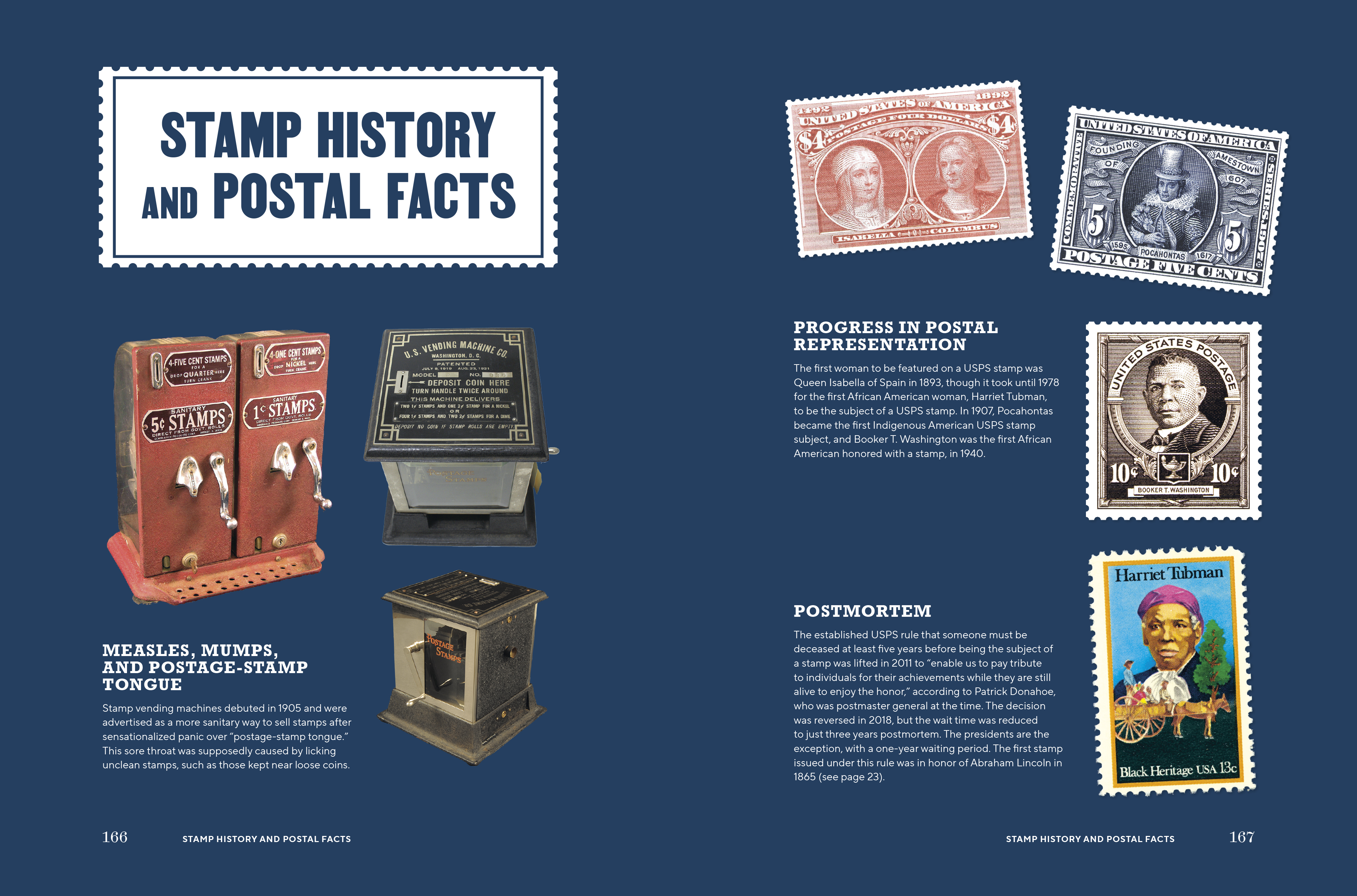
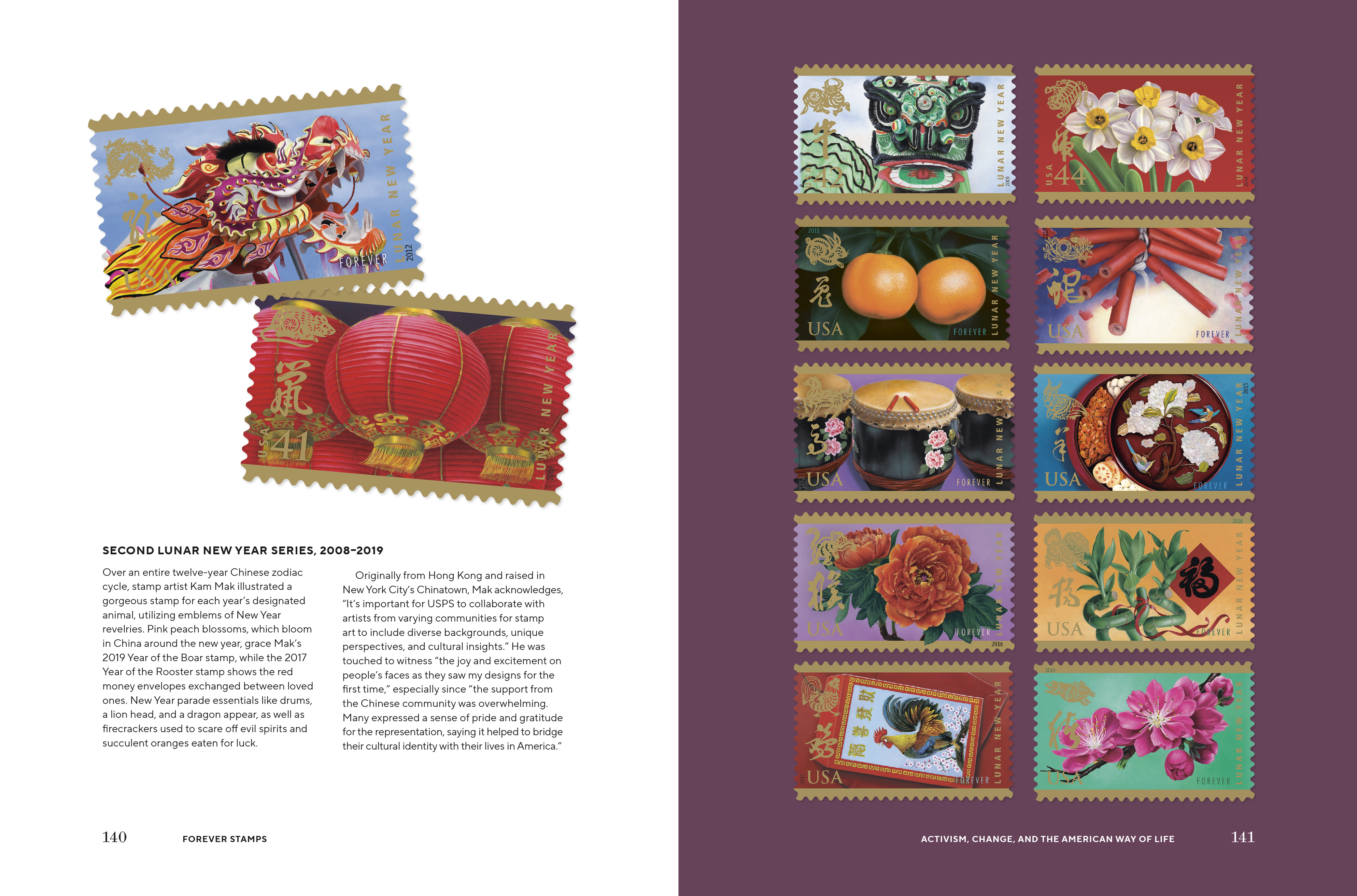
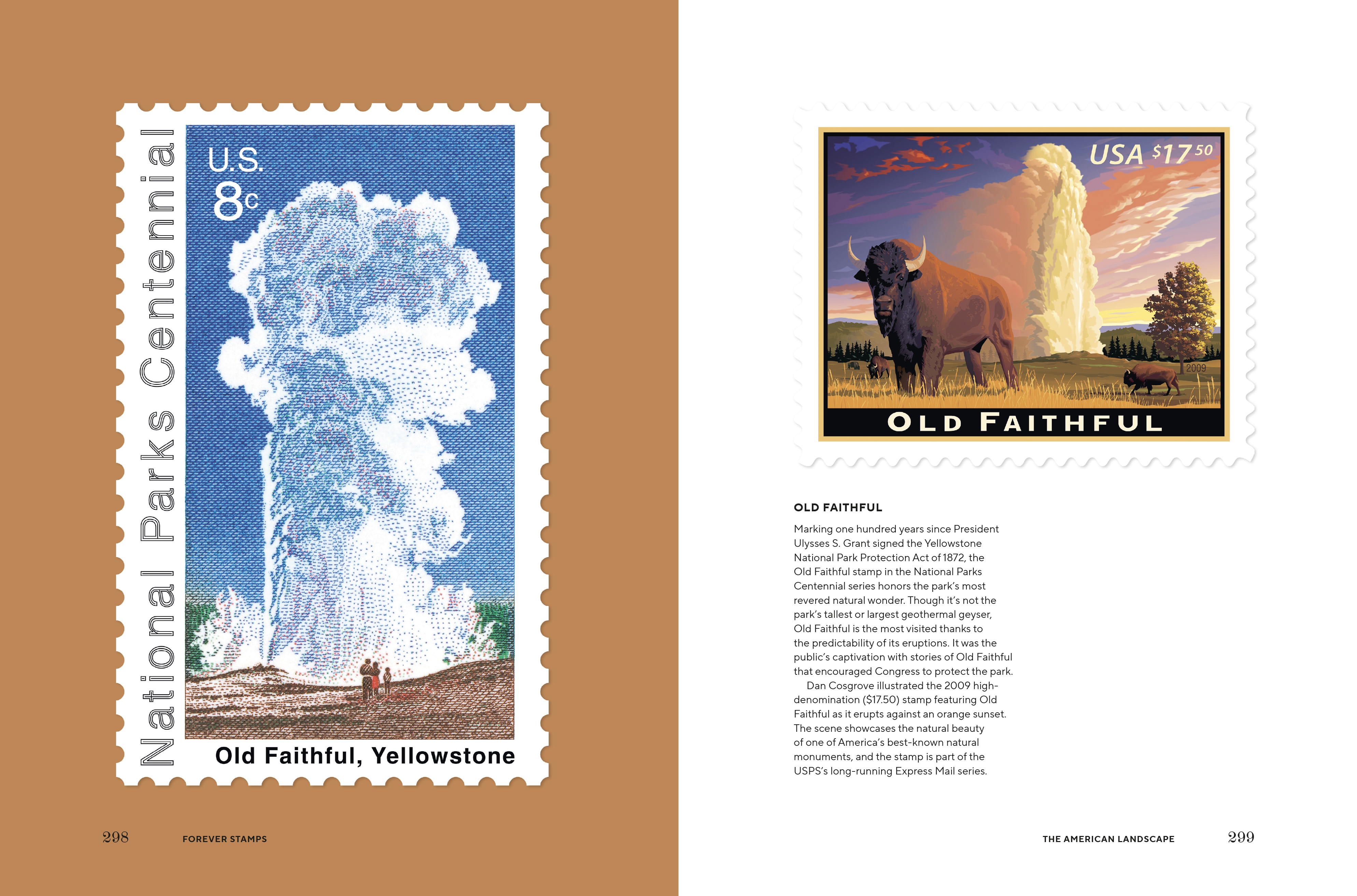
Stamps are more than postage—they’re storytellers. They capture fragments of who we are as a nation in their modest dimensions. They honor our icons, our ideals, our creativity, and our aspirations. They reflect not just presidents and historic events but also civil rights leaders, musicians, authors, astronauts, wild horses, vintage toys, bioluminescent sea creatures, and the soil beneath our feet. They are snapshots of the American experiment—chosen with care, shared with millions, and affixed to everything from birthday cards to tax returns.
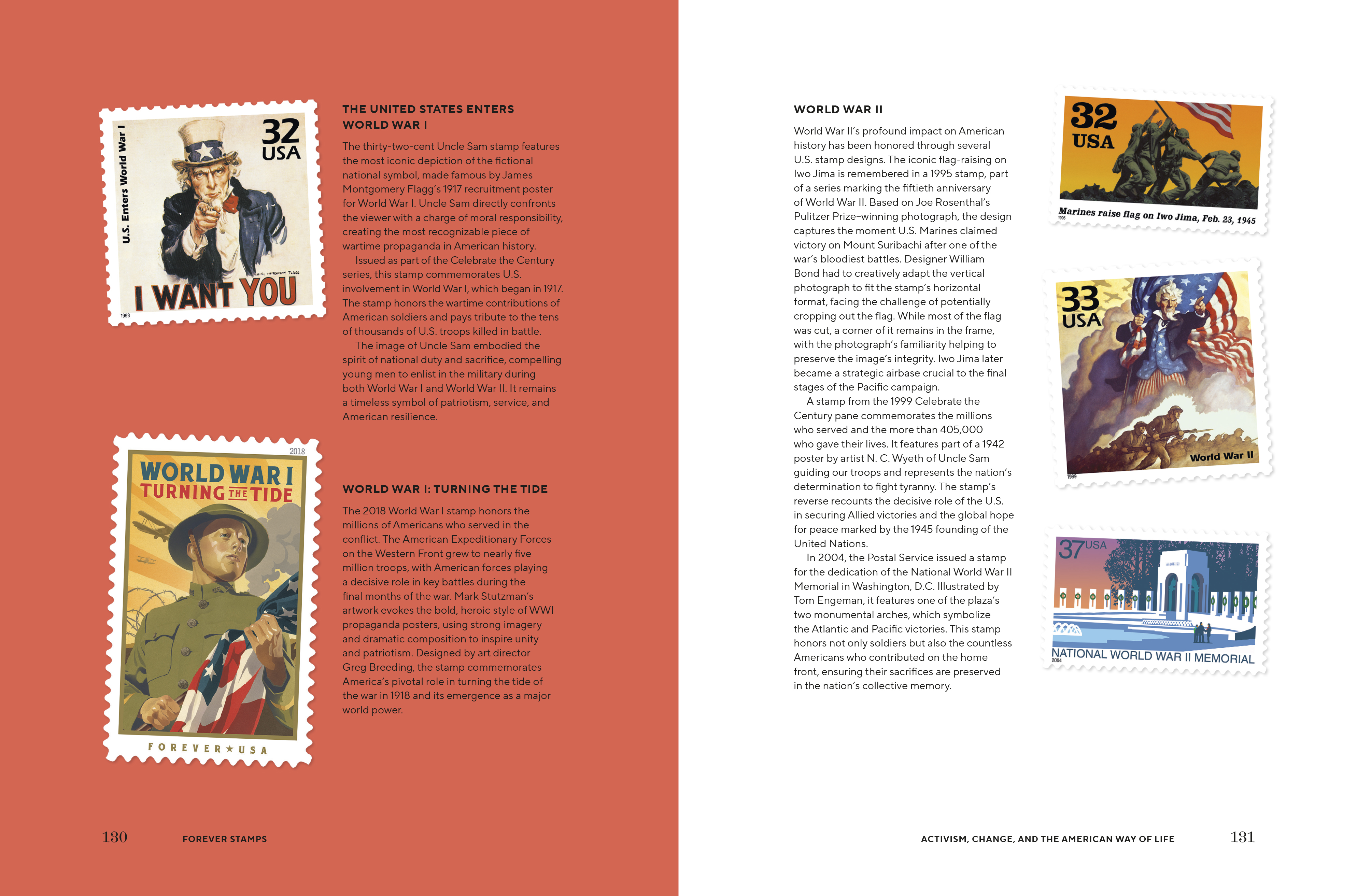
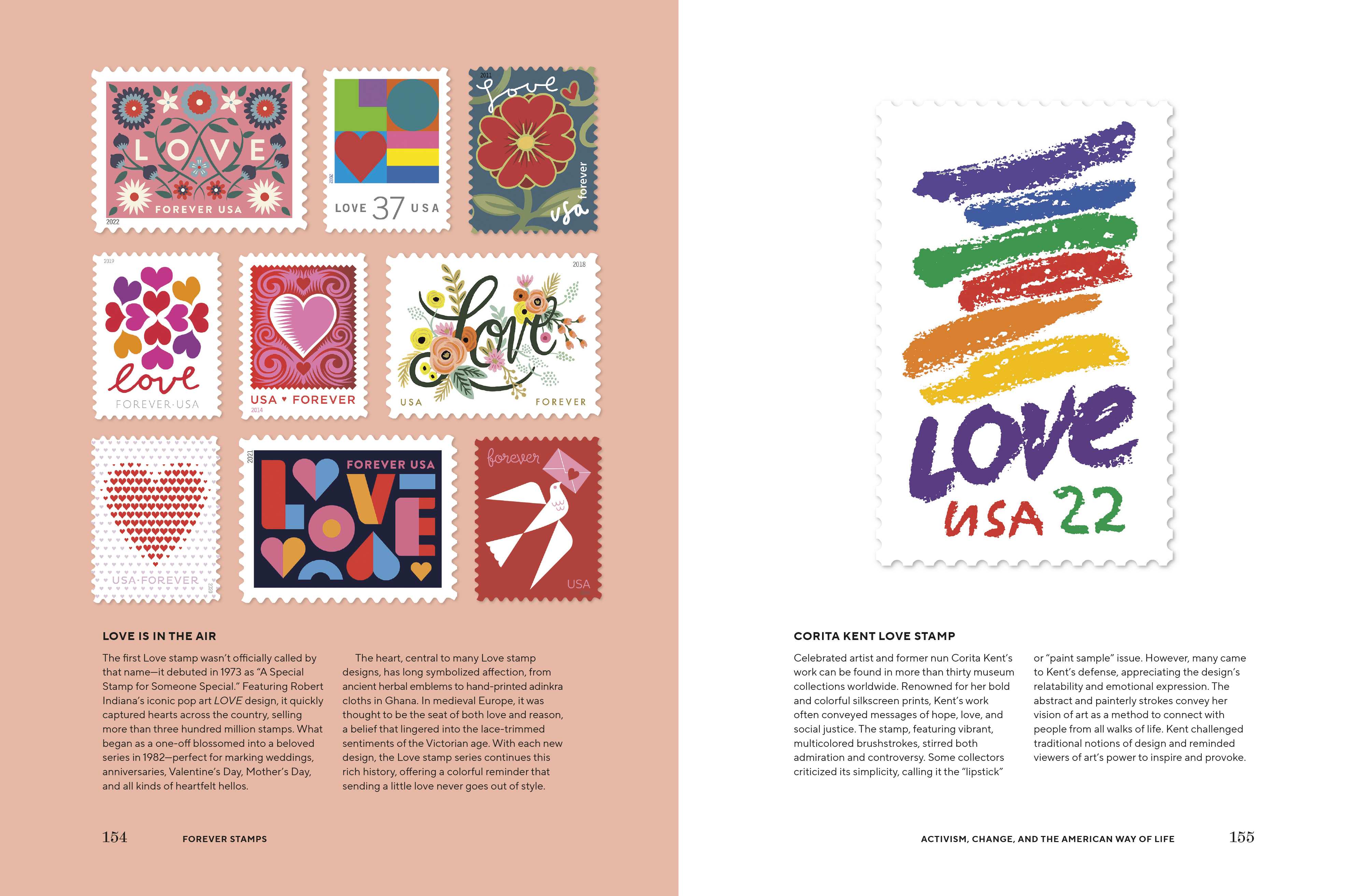
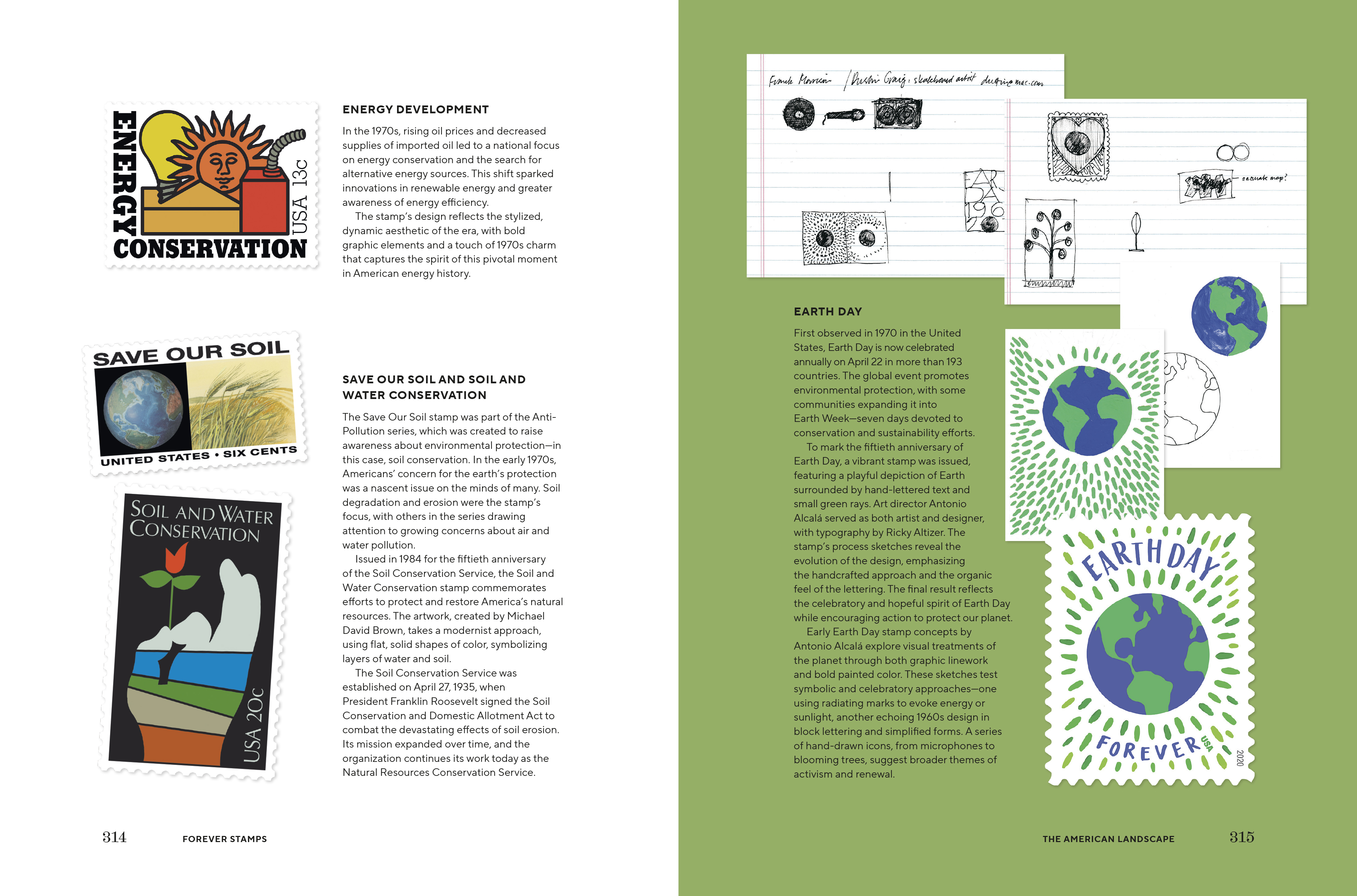
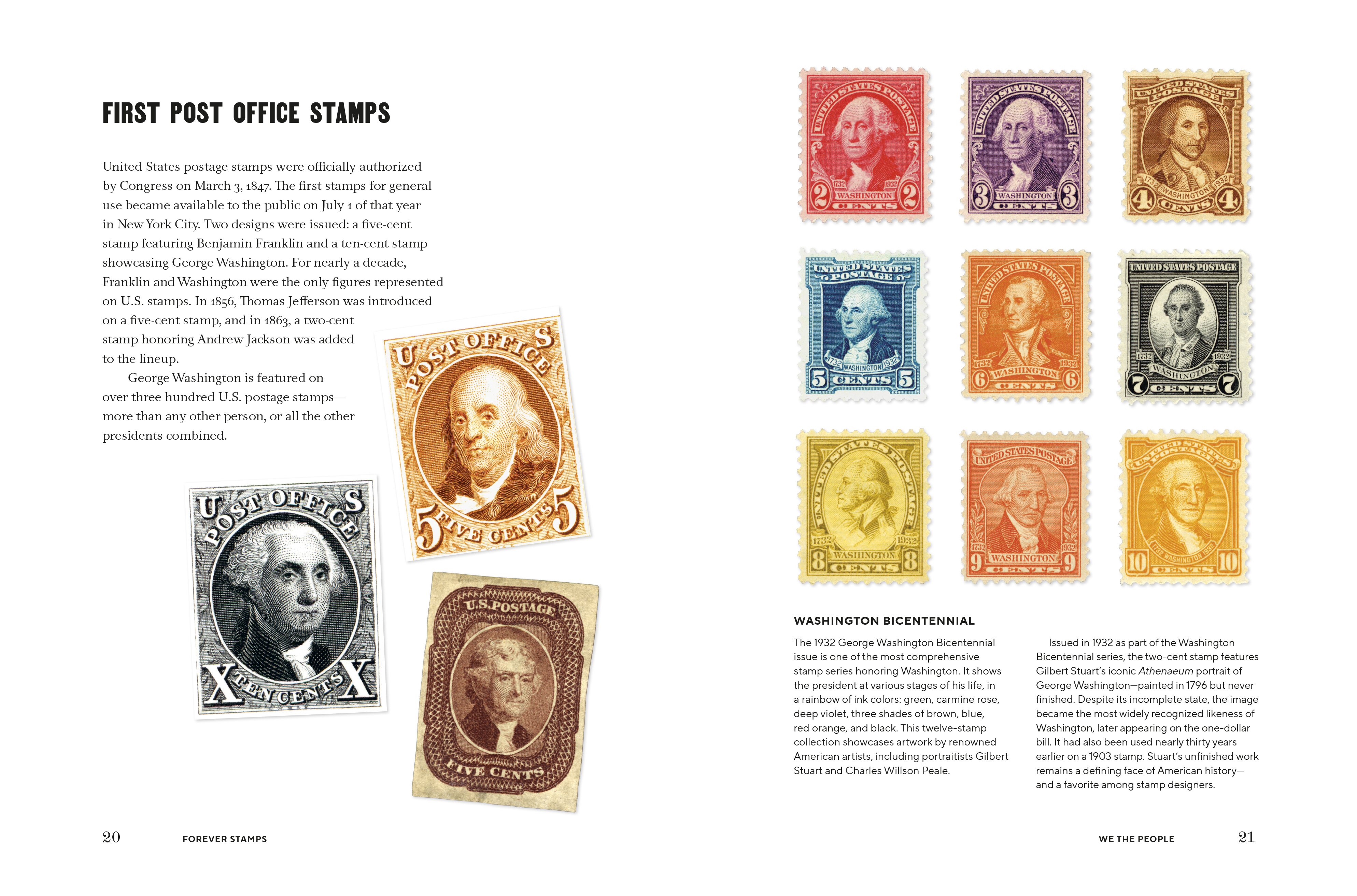
This book is not a catalog or reference guide. It’s a colorful, factoid-filled journey through the stamps that moved my co-author, Brian E. Smith, and our fabulous assistant, Helen Spyropoulos—visually, historically, and emotionally. It’s organized in four chapters that mirror the layered fabric of American identity. The first chapter explores U.S. history through presidents, pioneers, innovation, and national ideals. Chapter two focuses on activism and diversity, spotlighting civil rights, courageous individuals, and the evolving story of inclusion. The third chapter celebrates our creative spirit, from music and movies to sports, literature, and my first love—design. Chapter four turns outward to the American landscape’s vast beauty, its wildlife, and the environmental challenges that remind us how much we need to protect it.
Strangely enough, I wasn’t a stamp collector as a young adult. My cozy little New York City apartment’s shelves were filled with bottle caps, tin toys, salt and pepper shakers, and even Cracker Jack prizes—quirky little time capsules of American design. But stamps? I appreciated them deeply, even admired them, without ever slipping one into an album. That changed when I was asked to design the 2013 Emancipation Proclamation stamp for the U.S. Postal Service. I always call it the biggest and smallest project I ever worked on—perhaps the one I am most proud of. That one freelance job—small in scale, enormous in meaning—drew me into the fold.
Soon after, I was invited to serve on the Citizens’ Stamp Advisory Committee, where I spent twelve years as part of a wonderful and brilliant group that helped shape the stories we tell through postage. As the sole graphic designer for most of my CSAC tenure, I hope I brought a visual lens to the process. I had the privilege
of working closely with four brilliant and passionate art directors: Antonio Alcalá, Greg Breeding, Ethel Kessler, and Derry Noyes, and briefly with the esteemed designer Phil Jordan. Together, we pored over themes, debated symbolism, refined typography, and worked to balance beauty, clarity, and cultural resonance. Over time—and somewhat inevitably—I began my own humble stamp collection.
In many ways, I came to understand stamps through the lens of design. The Postal Service has long invited exceptional artists and designers into the process, and the results show. Some of my personal heroes—Al Hirschfeld, with his instantly recognizable linework; Paul Davis, whose painterly drama brought Broadway to the envelope; and modernist masters like Lester Beall, Bradbury Thompson, Corita Kent, and Louise Fili, with her typographic grace—helped shape what American stamps look and feel like. Their contributions remind us that a stamp can be both functional and transcendent—a miniature gallery you carry in your pocket.
I also learned from the masters of philately themselves, including the late Janet Klug and the lovely Cheryl Ganz, who wrote the foreword to this book. Cheryl and Janet were pals, and I admired their passion and joy when they spoke about American postage stamps. I’ve also been fascinated by how today’s collectors are finding new ways to connect—especially through Postcrossing, an international postcard exchange project that has built a global community of people who share not just notes and greetings but stamps and cultural perspectives. It’s a beautiful reminder that stamps continue to inspire, educate, and link us across borders.
I’m sure you’ll recognize some of the stamps featured in this book. Others may surprise you. But all of them are pieces of a much larger picture—an ever-evolving portrait of America and the values we choose to elevate. As you read, I hope you’ll see what we have come to believe: Stamps are not just about where something is going. They’re about where America has been—and who America is. And stamps don’t take up much room, so it’s never too late to start your collection.
—Gail Anderson
Copyright © 2026 by United States Postal Service; by Gail Anderson and Brian E. Smith. All rights reserved. No part of this excerpt may be reproduced or reprinted without permission in writing from the publisher.