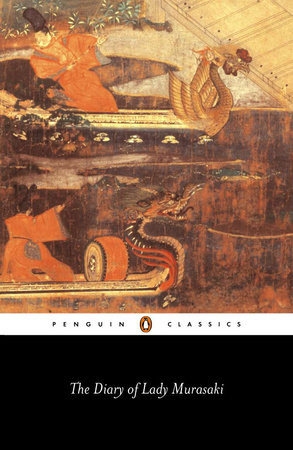
The Diary recorded by Lady Murasaki (c. 973-c. 1020), author of The Tale of Genji, is an intimate picture of her life as tutor and companion to the young Empress Shoshi. Told in a series of vignettes, it offers revealing glimpses of the Japanese imperial palace - the auspicious birth of a prince, rivalries between the Emperor's consorts, with sharp criticism of Murasaki's fellow ladies-in-waiting and drunken courtiers, and telling remarks about the timid Empress and her powerful father, Michinaga. The Diary is also a work of great subtlety and intense personal reflection, as Murasaki makes penetrating insights into human psychology - her pragmatic observations always balanced by an exquisite and pensive melancholy.
Murasaki Shikibu, born in 978, was a member of Japan's Fujiwara clan, which ruled behind the scenes during the Heian Period by providing the brides and courtesans of all the emperors. Lady Murasaki's rare literary talent, particularly her skill as a poet, secured her a place in the court of Empress Akiko. After the death of her husband, she cloistered herself to study Buddhism, raise her daughter, and write the world's first novel Genji Monogatari, the tale of the shining Prince Genji.
View titles by Murasaki Shikibu
Preface A Note on Japanese Names and Dates Introduction Cultural background The author The diary THE DIARY OF LADY MURASAKIAppendix I: Ground-plans and Map Appendix II: Additional Sources A Guide to Further Reading
The Diary recorded by Lady Murasaki (c. 973-c. 1020), author of The Tale of Genji, is an intimate picture of her life as tutor and companion to the young Empress Shoshi. Told in a series of vignettes, it offers revealing glimpses of the Japanese imperial palace - the auspicious birth of a prince, rivalries between the Emperor's consorts, with sharp criticism of Murasaki's fellow ladies-in-waiting and drunken courtiers, and telling remarks about the timid Empress and her powerful father, Michinaga. The Diary is also a work of great subtlety and intense personal reflection, as Murasaki makes penetrating insights into human psychology - her pragmatic observations always balanced by an exquisite and pensive melancholy.
Author
Murasaki Shikibu, born in 978, was a member of Japan's Fujiwara clan, which ruled behind the scenes during the Heian Period by providing the brides and courtesans of all the emperors. Lady Murasaki's rare literary talent, particularly her skill as a poet, secured her a place in the court of Empress Akiko. After the death of her husband, she cloistered herself to study Buddhism, raise her daughter, and write the world's first novel Genji Monogatari, the tale of the shining Prince Genji.
View titles by Murasaki Shikibu
Table of Contents
Preface A Note on Japanese Names and Dates Introduction Cultural background The author The diary THE DIARY OF LADY MURASAKIAppendix I: Ground-plans and Map Appendix II: Additional Sources A Guide to Further Reading